
7 Proven Hotel Restoration Services That Protect Your Property and Revenue
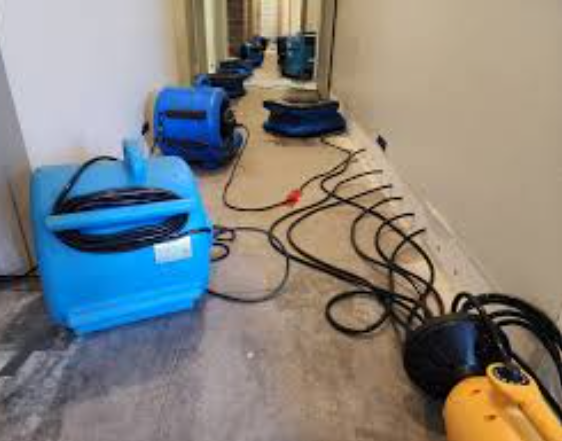
Table of Contents
Hotel restoration services cover the full process of assessing, mitigating, and repairing damage to hospitality properties caused by water, fire, mold, storms, or environmental hazards. For hotel managers and property owners, speed is everything; every hour a wing is closed, revenue walks out the door. A qualified restoration partner handles everything from emergency water extraction and structural drying to mold remediation, reconstruction, and insurance documentation, so you can stay operational while recovery happens behind the scenes.
Why Hotel Restoration Services Are Different From Residential Restoration
When a homeowner faces water damage, the priority is protecting the structure and personal belongings. When a hotel faces the same situation, the stakes multiply almost immediately.
Hotel restoration services must account for guest safety, brand reputation, operational continuity, and revenue loss, all at the same time. A leaking pipe on the fourth floor of a 200-room property can cascade through multiple floors within hours, affecting a dozen rooms and common areas before anyone realizes the extent of the problem.
Unlike a single-family home, a hotel is a living, active environment. Guests are checking in, housekeeping is running, meetings are happening in conference rooms. Any restoration partner working in that environment must understand how to move quickly without creating disruption that harms the guest experience.
This is why commercial restoration for hotels requires specialists; not generalists. The equipment, the scheduling, the communication protocols, and the documentation standards are all different.
The Real Cost of Downtime for Hotels
Here is something many hotel managers do not fully calculate until it is too late.
According to industry data, even one inch of standing water can cause up to $25,000 in structural damage to a commercial property. For a hotel, that figure does not account for the revenue lost from closed rooms, canceled reservations, displaced staff, or the long-term reputational damage from negative reviews.
When a 50-room wing goes offline for two weeks, you are not just losing room rate revenue. You are losing restaurant covers, spa bookings, event space revenue, and the loyalty of guests who had to be relocated.
The math is simple: the faster a professional restoration team is on site, the smaller the total loss.
This is why 24/7 emergency restoration availability is not a luxury for hotels. It is a necessity built into every sound risk management plan.
Prime Time Restoration’s 90-minute response time exists precisely because of this reality. Every minute counts.
Water and Flood Damage: The Most Common Hotel Emergency
Water damage is, by a significant margin, the most frequent emergency that hotel properties face. The sources are numerous; burst pipes, failed appliances, sprinkler system malfunctions, overflowing HVAC condensate lines, sewage backups, and storm-driven flooding.
What makes water damage especially dangerous in a hospitality environment is how fast it moves. Water travels through walls, flooring, and ceiling systems with no regard for property lines between rooms. A broken pipe in room 412 can migrate into rooms 410, 411, and 413 before the front desk gets a call.
Here is what a proper water damage response for hotels should include:
Rapid water extraction. Industrial pumps remove standing water before it can saturate subfloor materials and structural elements.
Structural drying. Commercial-grade air movers and dehumidifiers draw moisture out of walls, ceilings, and flooring systems. This process is monitored with moisture meters daily.
Content protection. Furniture, fixtures, linens, and equipment in affected rooms need to be moved, dried, and assessed before rooms can be returned to service.
Moisture documentation. Every reading, every affected area, and every piece of equipment placed on-site should be logged. This documentation is essential for your insurance claim.
You can learn more about what water mitigation actually involves and how it differs from simple cleanup.
Prime Time’s certified technicians handle water and flood restoration for hotels, multifamily units, and commercial properties across San Antonio, Austin, New Braunfels, and surrounding areas.

Fire and Smoke Damage: Acting Before the Clock Runs Out
Fire damage in a hotel is a different kind of crisis. The visible destruction, charred walls, burned furniture, collapsed ceilings, is often what gets attention first. But the invisible damage is what extends closures and drives up costs.
Smoke travels far beyond the fire point. It infiltrates HVAC systems, migrates into adjacent rooms through ductwork, and embeds itself into soft furnishings, draping, and wallcovering materials throughout the building. If smoke contamination is not addressed quickly, guests will smell it weeks after the fire is out.
A professional fire damage restoration process for hotels includes:
Emergency board-up and site security. Protecting the property from further exposure while assessment happens.
Smoke and soot cleaning. Specialized cleaning agents remove soot from hard surfaces, walls, and structural materials without causing secondary damage.
HVAC decontamination. Ductwork and air handling equipment must be inspected and cleaned to prevent smoke odor from recirculating through the property.
Odor neutralization. Thermal fogging and ozone treatment eliminate odor molecules at the source rather than masking them.
Reconstruction. Once mitigation is complete, the rebuild phase begins; restoring rooms, finishes, and common areas to their pre-loss condition.
Prime Time provides both fire damage remediation and full reconstruction services, meaning you have one point of contact from emergency response all the way to the ribbon-cutting moment.
Mold Remediation: The Silent Threat in Hotel Walls
Mold is the quiet consequence of water damage that was not addressed properly or quickly enough.
In a hotel environment, mold can develop within 24 to 48 hours of water exposure. Behind wall cavities, inside carpet padding, and underneath flooring materials are some of the most common hiding spots. By the time a musty odor becomes noticeable to guests, the colony is already established.
Beyond the structural damage mold causes, there are serious health implications. Guests with respiratory conditions, allergies, or compromised immune systems are particularly vulnerable. A mold incident that reaches public awareness can follow a hotel’s online reputation for years.
Commercial mold remediation for hotels is a multi-step process:
Containment. Affected areas are isolated with negative air pressure barriers to prevent spore migration.
Removal. Contaminated materials are properly removed and disposed of following EPA and OSHA protocols.
Treatment. Surfaces are treated with EPA-registered antimicrobial agents.
Air quality testing. Post-remediation clearance testing confirms the environment is safe before rooms are returned to service.

Storm Damage, Environmental Hazards, and Reconstruction
Severe weather events are becoming more frequent and more intense across Texas. Hail, high winds, and flooding events can strike San Antonio, Austin, New Braunfels, and surrounding areas with little warning.
Storm damage to a hotel can range from roof system failures and broken windows to structural compromise and flooding across multiple levels simultaneously. Environmental hazard events, including sewage intrusion, chemical spills, or asbestos disturbance during a structural failure, require a level of specialized response that goes beyond standard restoration.
Prime Time’s environmental hazard remediation services are designed for exactly these scenarios. Certified technicians assess the contamination type, contain the affected area, and execute remediation according to the appropriate regulatory standards.
After remediation is complete, reconstruction begins. Understanding the difference between remediation and restoration helps hotel managers set realistic timelines and communicate clearly with ownership and insurance adjusters.
Prime Time’s reconstruction services handle everything from framing and drywall to finish carpentry and final inspections, so you are not coordinating between five different contractors in the middle of a crisis.
What to Expect from a Qualified Hotel Restoration Partner
When evaluating hotel restoration services, there are some non-negotiables that every property manager should look for before disaster strikes.
IICRC Certification. The Institute of Inspection, Cleaning and Restoration Certification sets the technical standards for the restoration industry. Every technician on your project should hold current certifications.
24/7 Availability with a Documented Response Time. A restoration company that cannot guarantee arrival time is not a true emergency partner. Ask for a specific response window in writing.
Insurance Expertise. Navigating a commercial property claim without an advocate is exhausting and often results in underpaid claims. A good restoration partner works directly with your adjuster, provides documentation, and helps you get the full settlement you are entitled to. Read about insurance claim assistance in specific Texas cities to understand what that process looks like.
Phased Approach to Keep You Operational. Restoration work at a hotel should, wherever possible, be staged so that unaffected areas remain open. A good partner will help you keep occupancy flowing while damaged areas are being addressed.
Clear Communication. Throughout the restoration process, hotel leadership needs regular updates; moisture readings, drying progress, equipment timelines, and rebuild schedules. Surprises are never acceptable in a commercial recovery.
Read real stories from clients who have worked with Prime Time at the Prime Time testimonials page.
How Prime Time Serves Hotels Across San Antonio and Texas
Prime Time Restoration is based at 11495 Topperwein Road, San Antonio, TX 78233, and serves hotels, multifamily units, apartment complexes, and hospitals across a wide service area including Austin, Boerne, Buda, Canyon Lake, Cibolo, Converse, Dallas, Fair Oaks Ranch, Hondo, Houston, Kyle, Live Oak, Leon Valley, New Braunfels, San Marcos, Schertz, Seguin, Selma, Spring Branch, Timberwood Park, and Universal City.
The hotel restoration services Prime Time provides include:
; Water and flood restoration ; Fire damage remediation ; Environmental hazard remediation ; Commercial mold remediation ; Storm and fire damage restoration ; 24/7 emergency services with a 90-minute response time ; Insurance assistance and claim documentation ; Full reconstruction services
Whether your property is dealing with an emergency right now or you want to establish a preferred vendor relationship before disaster strikes, Prime Time is ready to partner with you.


Conclusion
Disaster does not schedule itself around your reservation calendar. A burst pipe at 2 a.m. on a Saturday, a fire in the kitchen during the holiday season, or a mold discovery during a routine inspection; these events happen without warning, and how fast you respond determines how much you lose.
The right hotel restoration services partner does not just repair physical damage. They protect your revenue, your guests, and your reputation while the building is being put back together.
Here is the question worth asking today, before anything goes wrong: Does your hotel have a documented relationship with a certified restoration company that can be on-site in 90 minutes?
If not, contact Prime Time Restoration to set one up.

Leave a Reply
Want to join the discussion?Feel free to contribute!