Remediation vs Restoration: What’s the Difference and Which One Do You Actually Need?
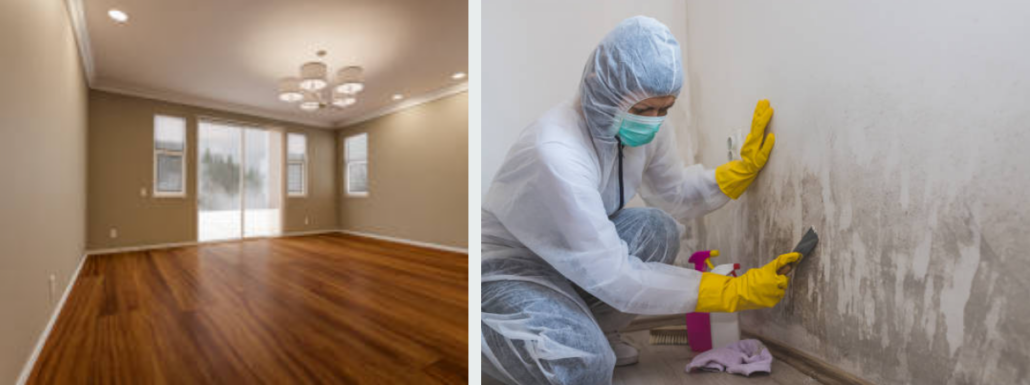
Table of Contents
Remediation vs restoration are two distinct phases of property recovery after damage. Remediation focuses on identifying and removing hazardous materials or conditions, such as mold, smoke toxins, or contaminated water, to make a space safe again. Restoration comes afterward and focuses on repairing and rebuilding the physical property back to its pre-damage condition. Most serious damage events, including fires, floods, and mold outbreaks, require both phases done in the correct order. Skipping or rushing remediation before restoration can lead to recurring damage, hidden contamination, and long-term structural failure.
Why These Two Words Cause So Much Confusion
If you have ever called a damage recovery company and heard them throw around the words “remediation” and “restoration” as if they mean the same thing; you are not alone.
Most homeowners and property managers have no idea there is a meaningful difference between these two services. And that gap in understanding can lead to costly decisions: hiring the wrong contractor for the job, skipping a critical phase of recovery, or ending up with newly painted walls hiding a mold problem that never went away.
The distinction between remediation vs restoration is not just industry jargon. It determines the right sequence of work, the right professionals to hire, the right questions to ask your insurance adjuster, and ultimately; the long-term safety and integrity of your property.
This guide will make it crystal clear.

What Is Remediation? A Clear, Simple Explanation
Remediation is the process of identifying, containing, and removing hazardous conditions from a property.
Think of remediation as making a space safe. The goal is not to make it look nice again. The goal is to eliminate the threat; whether that threat is mold, smoke toxins, contaminated floodwater, chemical residue, or biological hazards; before any rebuilding begins.
Common types of remediation include:
Mold remediation: Identifying the moisture source, containing the affected area with physical barriers and negative air pressure, removing contaminated materials (often including drywall, insulation, and flooring), and treating affected surfaces with professional antimicrobial agents.
Water damage remediation: Extracting standing water, drying structural materials using industrial dehumidifiers and air movers, treating for contamination (particularly in gray water or black water situations), and documenting moisture levels to verify the space is dry before reconstruction.
Smoke and soot remediation: Removing acidic soot deposits from surfaces, treating HVAC systems to prevent recontamination, eliminating odor-causing particles at a molecular level, and verifying air quality before any restoration work begins.
Environmental hazard remediation: Addressing asbestos, lead paint, chemical contamination, or biological hazards that require licensed removal under strict safety protocols.
At Prime Time, environmental hazard remediation is one of the core services the team provides; handled by certified professionals with the proper equipment, training, and safety protocols. You can also learn more about mold remediation signs, risks, and professional treatment.
The critical thing to understand: remediation does not rebuild anything. It clears the danger.
What Is Restoration? And What Does It Actually Include?
Restoration is what comes after remediation.
Once the hazardous conditions have been safely removed and the environment has been cleared, restoration is the process of repairing and rebuilding the property back to its original; or better; condition.
Restoration is where a space goes from “safe but gutted” back to feeling like a home or a functioning business.
Restoration services typically include:
- Replacing drywall, insulation, and flooring that were removed during remediation
- Repainting walls, ceilings, and trim
- Rebuilding cabinetry, built-ins, and fixtures
- Restoring or replacing roofing and exterior elements affected by storm or fire
- Reinstalling plumbing and electrical systems
- Structural reconstruction of severely damaged sections
For a deeper look at how this rebuilding phase works in practice, this guide on property restoration services is a valuable resource.
Restoration is the finish line. But it only works when remediation has done its job first.
Remediation vs Restoration: 5 Key Differences
Here is a clear side-by-side breakdown of how remediation vs restoration differ at their core:
1. Purpose: Remediation makes the property safe by removing hazards. Restoration makes the property whole by rebuilding what was damaged.
2. Timing: Remediation always comes first. Restoration follows only after the environment has been cleared and verified safe.
3. Who Does the Work: Remediation is performed by certified hazard specialists with specific training in contamination control, air quality management, and material removal. Restoration is handled by licensed contractors and reconstruction crews.
4. Tools and Equipment: Remediation uses air scrubbers, HEPA filtration systems, containment barriers, moisture meters, thermal cameras, antimicrobial treatments, and negative air pressure machines. Restoration uses standard and specialized construction tools, materials, and finishing equipment.
5. The Outcome: After remediation, the property is safe but not necessarily livable or functional. After restoration, the property is both safe and returned to normal use.
Understanding these five differences is the key to asking the right questions when damage hits your property.

When Do You Need Remediation Only?
In some cases, a property may need remediation without full restoration.
This typically happens when:
- A small area of mold is caught early; the mold is removed and the underlying moisture issue is fixed, but no structural materials need replacing
- Smoke odor is present from a minor fire in an adjacent space, but no physical damage was done to your property
- Water intrusion was minor and materials could be dried in place without removal
In these situations, the goal is to clear the hazard and verify safety; without triggering a full rebuild. Commercial mold remediation is a good example of a service that sometimes stands on its own when the mold is caught early and the structure remains intact.
When Do You Need Restoration Only?
Restoration without remediation is rare; but it does exist.
Examples include:
- Purely cosmetic storm damage (such as hail damage to siding or a roof) where no moisture or contaminants entered the structure
- Structural wear that requires repair but presents no contamination or health risk
- Minor fire damage limited to a very small surface area with no smoke penetration or soot residue
However; be careful. What appears to be cosmetic-only damage is often more complex beneath the surface. A professional assessment is always the right first step before assuming remediation is unnecessary.
When You Need Both (Most Common Scenario)
The truth is; most serious damage events require both remediation and restoration working in sequence.
Here is how the combined process looks across the most common damage types:
Flood or water damage: Remediation extracts water, dries structural materials, prevents mold, and decontaminates the area. Restoration then replaces damaged flooring, drywall, insulation, and finishes. This complete guide to water damage restoration walks through the full process.
Fire damage: Remediation removes soot, smoke toxins, and odor-causing particles from all surfaces and air systems. Restoration then rebuilds burned or water-damaged structural elements. Prime Time handles both phases seamlessly; you can explore how this works in water damage and restoration from flood to finish.
Mold infestation: Remediation addresses the moisture source and removes contaminated materials. Restoration then replaces the drywall, insulation, and flooring that were removed during the process.
Storm damage: Remediation addresses floodwater contamination, debris removal, and structural safety. Restoration rebuilds what the storm destroyed.
The order matters. You cannot restore before you remediate. Doing so is one of the costliest mistakes in property recovery.
What Happens When You Skip Remediation and Go Straight to Restoration?
This is where many well-intentioned property owners make a very expensive mistake.
It feels logical: you see damaged walls, you want them fixed. You see missing flooring, you want it replaced. The instinct is to rebuild first.
But here is what actually happens when restoration skips remediation:
Mold grows behind new walls. If moisture and spores were not fully eliminated, fresh mold growth can develop behind brand-new drywall within days of installation.
Odors return. Smoke particles that were not treated at a molecular level will continue releasing odor long after a property looks visually restored; especially when temperatures rise.
Structural failures develop. Water-damaged framing that was not properly dried will rot from the inside, compromising the very walls and floors that were just rebuilt.
Health risks persist. Soot, mold spores, and chemical residues trapped behind new finishes continue affecting indoor air quality and the health of occupants.
The IICRC (Institute of Inspection, Cleaning and Restoration Certification) is the industry’s standard-setting body for this reason; certified professionals follow a specific protocol to ensure remediation is complete before restoration begins.

How Different Types of Damage Affect the Remediation vs Restoration Decision
Not all damage is created equal. Here is a quick reference for common scenarios:
Water damage from a burst pipe: Usually starts with remediation (water extraction, drying, mold prevention) and moves into restoration (replacing flooring, drywall, and finishes). Explore water damage cleanup options near you for more guidance.
Flooding from storms: Often involves contaminated water (gray or black water), which requires more intensive remediation before any reconstruction can safely begin. See Prime Time’s flood damage restoration resources.
House fire: Requires both fire-specific remediation (soot, smoke, toxic residue removal) and reconstruction. Depending on the fire’s severity, reconstruction can be minor or extensive.
Sewage backup: One of the most serious contamination events; remediation is non-negotiable before any restoration begins due to the biological hazards present.
Mold discovery during renovation: Work stops. Remediation takes over. Restoration resumes after clearance testing confirms the area is safe.
How to Choose the Right Company for Both
When evaluating a damage recovery company, look for these qualifications:
- IICRC Certification for both remediation and restoration services
- 24/7 availability with a rapid, documented response time (Prime Time guarantees 90 minutes)
- Licensed contractors for the reconstruction phase; not just cleaners
- Insurance claim coordination so you are not navigating the adjuster process alone
- Transparent documentation at every phase; from moisture readings to air quality clearance reports
Reading real client testimonials before making a decision is also strongly recommended.
Prime Time Restoration handles both remediation and restoration as a fully integrated service, meaning you have one point of contact from the moment damage is discovered through the final walkthrough. That continuity matters; it prevents important information from falling through the cracks between contractors.

Serving San Antonio and Surrounding Communities
Prime Time provides remediation and restoration services to a wide range of properties across Texas, including:
- Hotels and hospitality where a single mold or water event can affect multiple floors and guest experiences
- Multifamily units and apartment complexes that require coordinated remediation across units while minimizing displacement
- Hospitals and healthcare facilities where air quality and contamination control standards are at their most critical
Prime Time serves San Antonio, Austin, Boerne, Buda, Canyon Lake, Cibolo, Converse, Dallas, Fair Oaks Ranch, Hondo, Houston, Kyle, Live Oak, Leon Valley, New Braunfels, Schertz, Seguin, Selma, Spring Branch, Timberwood Park, Universal City, and more.
If you are in San Antonio and looking for water damage or restoration services specifically, these resources are a helpful starting point:
- Water damage restoration in San Antonio
- Water damage restoration companies in San Antonio
- Water damage restoration services in Universal City, TX
- Water damage restoration in Seguin, Texas
- Water mitigation services explained
For insurance assistance during the recovery process:
Conclusion
The confusion between remediation vs restoration is completely understandable; these are industry-specific terms used in one of the most stressful situations a property owner can face.
But now you know the difference.
Remediation makes a property safe. Restoration makes it whole. And the sequence matters every single time.
Whether you are dealing with mold, a flood, fire damage, or storm aftermath; the most important thing you can do right now is call a certified team before making any decisions about repairs.
Do not start rebuilding until the hazards are gone. Do not wait until the damage gets worse. And do not navigate an insurance claim alone.
Prime Time Restoration is certified, experienced, and on call 24/7 with a 90-minute response time across San Antonio and the surrounding Texas region.
Address: 11495 Topperwein Road, San Antonio, TX 78233
Follow Prime Time on Instagram, Facebook, and LinkedIn to stay connected and informed.
The damage is already done. The only question left is: are you going to let the right team fix it properly?
Call Prime Time today and get the recovery process started the right way; from remediation to full restoration.