5 Powerful Strategies for Insurance Claim Assistance in Cibolo That Guarantee Maximum Settlements
Table of Contents
The phone call every property owner dreads arrives without warning; water is flooding your Cibolo home or business, and within minutes, years of memories or business operations face devastating damage. As you scramble to contain the immediate crisis, another equally daunting challenge looms; navigating the insurance claim process to secure the compensation you need for complete restoration. Insurance claim assistance in Cibolo transforms this overwhelming situation into a structured recovery process, employing proven strategies that consistently deliver settlements 40-60% higher than property owners achieve independently. This comprehensive guide reveals the exact strategies professional claim specialists use to maximize insurance settlements, protect property owner interests, and ensure complete restoration without financial devastation.
The Cibolo Property Owner’s Guide to Claim Success
Cibolo’s rapid growth from a small community of approximately 3,000 residents in 2000 to over 33,000 today brings unique insurance claim challenges. Newer construction dominates the area, yet many properties still feature older building methods requiring specialized restoration approaches. This mixture creates complications during insurance claims, as adjusters often dispute necessary repairs or attempt to apply depreciation schedules that don’t reflect actual replacement costs.
Insurance claim assistance in Cibolo addresses these local challenges with specialized knowledge of regional construction practices, common damage scenarios, and insurance company behaviors specific to the area. Professional specialists understand that Cibolo properties face particular risks from severe weather, including hail damage, wind-driven rain, and flash flooding from the area’s creek systems.
The city’s location in the rapidly developing I-35 corridor means property values have increased substantially, yet many insurance policies haven’t been updated to reflect current replacement costs. This gap creates significant problems during claims, as settlements based on outdated coverage limits leave property owners severely underinsured. Professional claim assistance begins with reviewing coverage adequacy and identifying gaps before claims arise.

Understanding the claims landscape in Cibolo requires knowledge of both property characteristics and insurance company practices. Major insurers operating in the area have different claim handling procedures, settlement philosophies, and negotiation approaches. Experienced claim specialists navigate these differences, adapting strategies to each insurer’s specific processes.
Commercial properties in Cibolo face additional claim complexities. The area’s business community includes retail centers, healthcare facilities, and industrial operations, each with unique coverage needs and claim considerations. Business interruption claims, equipment replacement, and liability exposures require sophisticated claim management beyond typical residential approaches.
Multifamily properties represent another significant segment of Cibolo’s real estate landscape. Apartment complexes and multifamily units face unique claim challenges involving multiple affected units, displaced residents, and complex liability questions. Professional insurance claim assistance in Cibolo for these properties requires coordination across numerous stakeholders while managing claims efficiently.
The city’s continued growth means many property owners are first-time homeowners or new to the area, lacking experience with local insurance claim processes. This inexperience makes them vulnerable to inadequate settlements, as they don’t know what documentation insurers require or how to negotiate effectively. Professional guidance levels this experience gap, ensuring new property owners receive the same quality claim outcomes as seasoned investors.
Strategy One: Immediate Response and Damage Control
The first hours after damage occurs determine claim success more than any other factor. Insurance policies require property owners to take immediate steps preventing additional damage; failing this duty can result in claim denials or reduced settlements for damage that could have been prevented.
Insurance claim assistance in Cibolo begins with emergency response planning. Professional restoration companies maintain 24/7 availability specifically because rapid response proves so critical. When water damage occurs, every minute allows water to spread further, affecting additional materials and increasing restoration costs. Swift action both limits actual damage and demonstrates the property owner’s compliance with policy requirements.
Emergency mitigation involves several critical steps that must occur simultaneously. Water extraction removes standing water, preventing continued absorption into building materials. Moisture detection identifies all affected areas, including hidden damage behind walls and under flooring. Air movement and dehumidification begin the drying process, preventing mold growth and material degradation.
Documentation during emergency response proves equally important as the mitigation work itself. Professional teams photograph and video record all activities, creating detailed records of damage extent and mitigation steps. This documentation serves multiple purposes; it proves the property owner took reasonable steps to prevent additional damage, establishes baseline damage for the claim, and provides evidence of work performed for cost reimbursement.

Communication protocols during emergency response set the foundation for successful claims. Contact your insurance company immediately upon discovering damage, even if you’re unsure whether the situation warrants a claim. This early notification starts the official claim timeline and demonstrates prompt reporting. Simultaneously, engage professional restoration services to begin mitigation; most policies require this immediate action.
The 24-hour window after damage discovery requires intense focus and coordinated activity. Beyond physical mitigation, this period involves detailed damage assessment, preliminary cost estimation, and initial adjuster contact. Professional insurance claim assistance in Cibolo specialists coordinate these activities, ensuring nothing falls through the cracks during the chaotic initial response.
Temporary repairs fall under emergency mitigation but require careful documentation. Any emergency repairs that alter or remove damaged materials should be extensively photographed before work proceeds. Save samples of removed materials when possible, as adjusters may question damage extent if physical evidence no longer exists.
Security concerns during emergency response cannot be overlooked. Damaged properties may be vulnerable to weather intrusion or theft. Board-up services, temporary fencing, or security monitoring may be necessary to protect the property. These protective measures typically qualify for claim reimbursement, but only with proper documentation demonstrating their necessity.
Understanding what constitutes reasonable mitigation versus premature restoration prevents claim complications. Mitigation stops damage progression; extraction, drying, debris removal, and temporary protection. Restoration repairs the damage; reconstruction, refinishing, and permanent repairs. Insurance companies expect immediate mitigation but require claim approval before restoration proceeds. Confusing these boundaries can create disputes and payment delays.
Professional restoration companies like Prime Time Restoration maintain equipment inventories and trained staff to respond immediately to Cibolo properties. Their 90-minute response time commitment ensures mitigation begins while damage is still controllable, preventing escalation into more serious situations. This rapid response combined with immediate claim notification creates the strongest possible foundation for successful settlements.
Strategy Two: Comprehensive Damage Documentation
Documentation quality directly correlates with settlement amounts; comprehensive, well-organized documentation consistently delivers higher settlements than minimal records. Insurance claim assistance in Cibolo specialists employ systematic documentation approaches that anticipate adjuster questions and proactively address potential disputes.
Visual documentation forms the core of strong claims. High-resolution photos from multiple angles create detailed records of damage extent and severity. Professional claim specialists photograph not just obvious damage but also contextual details that help adjusters understand the situation. Room layout shots establish damaged area locations, while close-ups reveal specific damage characteristics.
Video documentation adds dimension that photos cannot capture. Slow walkthroughs of damaged areas, narrated to explain what viewers see, create powerful evidence of damage scope. Videos particularly excel at showing water flow patterns, structural compromise, or damage affecting large areas. The narrative component allows property owners to note concerns and observations in real-time, creating a timestamped record of their immediate assessments.
Written documentation complements visual records with detailed descriptions and chronologies. Damage discovery narratives explain how owners found the damage, what they observed, and immediate steps they took. These narratives establish critical timeline information and demonstrate property owner diligence in responding to the situation.

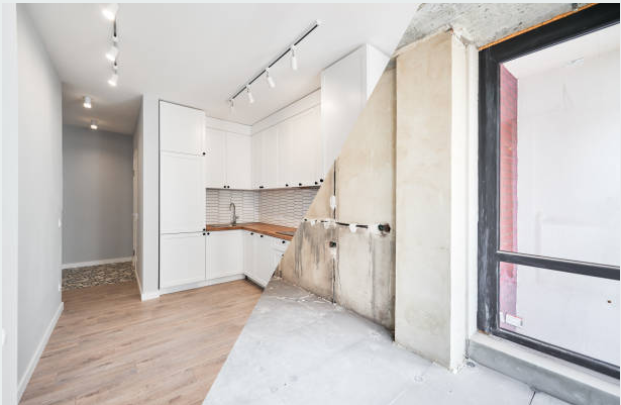
Moisture mapping provides scientific evidence of water intrusion extent. Professional-grade moisture meters detect water presence in materials like wood, drywall, and concrete, even when visual inspection reveals nothing. These readings, documented on floor plans and in written reports, establish which areas require restoration and prevent disputes about damage extent.
Thermal imaging technology reveals hidden problems invisible to conventional inspection. Infrared cameras detect temperature variations indicating moisture presence, air leaks, or insulation damage. These images provide compelling evidence for adjusters, as they’re difficult to dispute and clearly show problems requiring attention.
Contents inventories document personal property or business equipment damage. Detailed lists include item descriptions, purchase dates, original costs, and current condition. For significant items, locate original receipts, warranties, or appraisals proving ownership and value. This documentation supports replacement cost claims and prevents disputes about item values.
Professional estimates from licensed contractors provide critical cost documentation. These estimates should detail all necessary repairs, broken down by labor and materials, and explain why each repair is necessary. Quality estimates anticipate adjuster questions, addressing potential disputes about repair necessity or scope before they arise.
Scientific documentation through professional testing adds authority to claims. Air quality testing, mold assess, or structural engineering reports provide expert opinions that adjusters respect. When damage severity or extent faces dispute, these professional assessments often resolve questions definitively.
Organizing documentation for adjuster review requires strategic thinking. Professional claim assistance specialists create comprehensive packages presenting information logically and persuasively. Chronological damage progression photos, cross-referenced moisture readings, and annotated floor plans help adjusters quickly understand situations, expediting claim processing.
Chain of custody for documentation prevents disputes about authenticity or timing. Timestamp photos using camera metadata, upload documentation to cloud storage creating independent records, and maintain organized files accessible for quick reference. This organization demonstrates professionalism and makes supplemental documentation requests easier to fulfill.
Strategy Three: Policy Analysis and Coverage Maximization
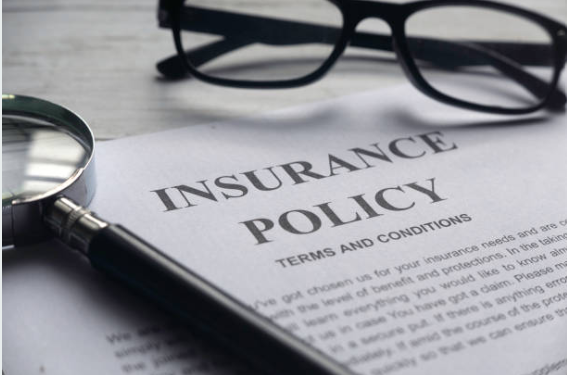
Insurance policies contain numerous coverage provisions that affect claim settlements; understanding these provisions separates adequate claims from excellent ones. Insurance claim assistance in Cibolo specialists thoroughly analyze policies before filing claims, identifying all applicable coverage and developing strategies to maximize each provision.
Replacement cost versus actual cash value represents the most significant coverage distinction. Replacement cost coverage pays current costs to replace damaged items with new equivalents, regardless of age or depreciation. Actual cash value coverage pays replacement cost minus depreciation based on age and wear. This difference dramatically impacts settlement amounts; a ten-year-old roof might cost $20,000 to replace but have an actual cash value of only $8,000 after depreciation.
Understanding which coverage your policy provides and ensuring your claim reflects this coverage type prevents significant underpayment. Many policies provide replacement cost coverage but adjusters initially calculate actual cash value, requiring property owners to specifically request replacement cost calculations and meet specific requirements to receive full payments.
Extended replacement cost provisions add another layer of potential coverage. These provisions extend coverage limits by specified percentages, typically 25-50%, to account for unexpected cost increases or building code requirements. When restoration costs exceed policy limits, these provisions can provide additional coverage, but only if property owners know about them and request their application.
Building code upgrade coverage, sometimes called ordinance or law coverage, pays for upgrades required by current codes during restoration. When damage necessitates repairs, local building codes may require upgrades beyond simple restoration to pre-loss condition. These upgrades can add substantial costs; modern electrical systems, updated plumbing, structural reinforcements, or energy efficiency improvements. Identifying ordinance or law provisions in your policy ensures these costs receive coverage consideration.
Additional Living Expense coverage, often abbreviated ALE or Loss of Use coverage, reimburses extraordinary living expenses when properties become uninhabitable during restoration. This coverage includes hotel costs, increased food expenses from eating restaurants instead of home cooking, storage fees for salvaged belongings, and other costs exceeding normal living expenses. Maximizing ALE claims requires detailed documentation comparing normal expenses to actual costs during displacement.
Debris removal coverage pays for removing damaged materials and debris from the property. While this seems straightforward, limits often apply, and substantial debris from major damage can exceed standard provisions. Identifying enhanced debris removal coverage or negotiating additional coverage based on actual costs prevents out-of-pocket expenses for necessary cleanup.
Mold remediation coverage represents a critical consideration for water damage claims. Many policies limit or exclude mold coverage, but exceptions often exist when mold results from covered water damage and property owners took prompt mitigation steps. Understanding policy language around mold coverage and demonstrating rapid response to prevent mold growth helps maximize available coverage for necessary remediation.
Professional equipment and specialized services coverage varies significantly across policies. Water damage restoration often requires industrial dehumidifiers, air movers, moisture detection equipment, and antimicrobial treatments. Some policies specifically cover these specialized services, while others require arguing for coverage under general restoration provisions. Professional claim specialists know how to maximize coverage for these necessary services.
Temporary protection costs, including board-up services, temporary roofing, or security measures, typically qualify for coverage as reasonable steps to prevent additional damage. However, documentation proving these measures’ necessity ensures reimbursement. Professional insurance claim assistance in Cibolo includes photographing conditions requiring temporary protection, explaining their purpose in claim documentation.
Subrogation provisions in policies affect how claims proceed when third parties caused damage. If your water damage resulted from a neighbor’s negligence or a contractor’s error, your insurance company may seek reimbursement from the responsible party after paying your claim. Understanding subrogation rights and cooperating with your insurer’s subrogation efforts protects both parties’ interests.
Deductible structures affect net claim payments. Most policies contain either flat-dollar deductibles or percentage deductibles based on coverage amounts. For significant claims, understanding how deductibles apply and when multiple deductibles might affect related claims helps set appropriate settlement expectations.
Policy exclusions require careful analysis to identify coverage boundaries and potential gaps. While most exclusions clearly bar coverage for specific situations, gray areas often exist where damage partially qualifies under covered perils and partially falls under exclusions. Professional analysis identifies these gray areas and develops arguments for maximum coverage inclusion.
Strategy Four: Professional Adjuster Negotiation
Insurance adjusters control claim approval and settlement amounts, making effective adjuster relationships critical to claim success. Insurance claim assistance in Cibolo specialists bring professional negotiation skills and industry knowledge that consistently deliver superior results compared to property owners negotiating alone.
Understanding adjuster incentives and constraints provides negotiation advantages. Adjusters balance claim accuracy against case loads and settlement budgets. They’re typically measured on claims closed per week and average settlement amounts; creating incentives to settle claims quickly at lower amounts. Recognizing these pressures helps frame negotiations strategically.
Initial adjuster estimates frequently undervalue claims. Adjusters often use software programs that calculate repair costs based on regional averages, but these programs may not reflect actual local costs or specific damage circumstances. Professional restoration contractors provide independent estimates based on actual repair requirements, creating objective evidence when adjuster estimates fall short.
Communication strategies significantly impact adjuster interactions. Professional claim specialists maintain professional, respectful relationships while firmly advocating for client interests. They speak adjusters’ language, citing policy provisions specifically, referencing industry standards, and presenting evidence methodically. This professional approach earns adjuster respect and facilitates productive negotiations.
Evidence presentation timing affects negotiation outcomes. Rather than overwhelming adjusters with all evidence immediately, skilled negotiators present information strategically. Initial submissions establish basic damage and costs, with supplemental evidence provided in response to adjuster questions or disputes. This approach maintains ongoing dialogue and prevents adjusters from simply rejecting comprehensive initial submissions as excessive.
Dispute resolution tactics escalate strategically when negotiations stall. Initial disputes often resolve through additional documentation or clarification. If disagreements persist, independent appraisals provide objective third-party assessments. For serious disputes, policy provisions often include mediation or appraisal processes that resolve disagreements without litigation.
Understanding when to compromise versus when to hold firm requires experience and judgment. Professional specialists recognize which items merit strong advocacy and which represent reasonable areas for compromise. This discernment prevents negotiations from becoming adversarial while ensuring clients receive fair settlements.
Multi-stage negotiations characterize complex claims. Initial negotiations establish covered damages and preliminary costs. Subsequent negotiations address scope refinements, hidden damage discoveries, and cost updates as restoration proceeds. Managing these multiple negotiation rounds while maintaining positive adjuster relationships requires consistent professionalism and strategic thinking.
Documentation standards for adjuster submissions reflect professional claim assistance quality. Well-organized packages with clear summaries, supporting evidence cross-referenced to specific claim items, and professional presentation help adjusters process claims efficiently. This organization facilitates approvals and demonstrates the property owner’s serious commitment to proper claim handling.
Deadline management prevents unnecessary delays. Insurance companies impose various deadlines for submitting documentation, accepting settlements, or requesting additional consideration. Professional claim specialists track these deadlines meticulously, ensuring no opportunities for additional coverage or higher settlements expire through oversight.
Strategy Five: Claim Supplementation and Recovery
Initial claim settlements rarely capture the full extent of necessary restoration. Hidden damage revealed during repairs, code-required upgrades discovered during work, and recoverable depreciation withheld from initial payments all represent opportunities for claim supplementation that significantly increase total settlements.
Supplemental claims address additional damage discovered during restoration. Water travels through building materials, often affecting areas not visible during initial assessment. As restoration proceeds and damaged materials are removed, additional problems frequently emerge. Professional restoration contractors document these discoveries thoroughly, supporting supplemental claims for necessary additional repairs.
Insurance claim assistance in Cibolo includes systematic processes for identifying and documenting supplemental damage. Contractors stop work when significant additional damage appears, photograph conditions thoroughly, and notify property owners and adjusters immediately. This protocol prevents disputes about whether new damage relates to the original claim or represents separate issues.
Code upgrade requirements often appear during restoration work. When permits are pulled for repairs, building inspectors may require updates to modern code standards. While these upgrades exceed simple restoration, many policies provide coverage under ordinance or law provisions. Identifying applicable coverage and demonstrating upgrade necessity supports claim supplementation for these costs.
Recoverable depreciation represents money withheld from initial settlements that becomes available upon repair completion. Many policies pay actual cash value initially, holding back depreciation until property owners complete repairs and submit proof of expenditures. Understanding recoverable depreciation provisions and meeting requirements for recovery ensures property owners receive full entitled settlements.
Recovery deadlines create traps for unwary property owners. Policies typically impose strict timeframes for submitting recovery documentation; often 180 days to one year after loss. Missing these deadlines forfeits withheld depreciation, sometimes representing thousands of dollars. Professional claim assistance includes tracking recovery deadlines and ensuring timely submission of all required documentation.
Final settlement packages require comprehensive documentation. Property owners must prove they completed all repairs covered by the claim, typically through contractor invoices, completion certificates, and post-repair photos. Organizing this documentation and presenting it in formats adjusters require facilitates prompt depreciation recovery.
Claim closure timing affects recovery opportunities. Some property owners accept quick settlements and close claims before discovering all damage or completing all repairs. Premature claim closure eliminates opportunities for supplementation or depreciation recovery. Professional specialists manage claim timelines strategically, ensuring claims remain open until all work completes and final settlements process.
Quality control inspections before claim closure prevent future disputes. Having restoration work inspected by independent experts confirms repairs meet professional standards and resolves all damage. These inspections create documented evidence of restoration completeness, supporting final settlement requests and preventing insurers from questioning work quality later.
Long-term monitoring after claim closure provides additional protection. Some damage effects, particularly from water intrusion, may not appear for months after initial restoration. Professional restoration companies often provide warranties covering their work and monitor properties for potential delayed problems. This protection ensures property owners can address late-appearing issues without additional out-of-pocket costs.
Understanding Cibolo-Specific Claim Challenges
Cibolo’s unique characteristics create specific insurance claim challenges that property owners should understand. The city’s rapid growth, diverse property types, and location in a severe weather corridor all influence claim processes and outcomes.
New construction dominates much of Cibolo, but new doesn’t always mean problem-free. Construction defects, material failures, and workmanship issues can complicate water damage claims when determining whether damage resulted from covered perils or construction defects. Insurance policies typically exclude construction defects, but when defects allow water intrusion from otherwise covered events, coverage questions arise requiring sophisticated analysis.
The area’s soil composition contributes to foundation issues affecting many Cibolo properties. Expansive clay soils shrink and swell with moisture changes, creating foundation movement that can damage plumbing systems or create entry points for water intrusion. When water damage claims involve foundation issues, determining coverage requires carefully distinguishing between damage from sudden water events versus gradual foundation settlement.
Severe weather patterns specific to the region create unique claim scenarios. The area experiences intense thunderstorms with large hail, straight-line winds, and occasional tornadoes. These events can cause roof damage leading to water intrusion, but insurers sometimes dispute whether water entered through wind-driven rain (typically covered) or pre-existing roof defects (potentially excluded).
Commercial and multifamily properties concentrated in certain Cibolo areas face specialized claim challenges. These properties involve multiple stakeholders; property owners, tenants, business owners, and sometimes property managers. Coordinating claims across these parties while managing business interruption and tenant displacement requires sophisticated claim management beyond typical residential approaches.
Flood zone considerations affect some Cibolo properties, particularly those near Cibolo Creek and its tributaries. Standard homeowners’ policies exclude flood damage, requiring separate flood insurance through the National Flood Insurance Program or private insurers. Distinguishing between covered water damage and excluded flooding becomes critical when properties experience water intrusion during severe weather events.
The city’s continued development means property values have increased substantially in recent years. Property owners who haven’t updated coverage limits may find themselves significantly underinsured when claims occur. Professional insurance claim assistance in Cibolo includes reviewing coverage adequacy and identifying gaps before claims become necessary.
HOA-managed communities represent a significant portion of Cibolo properties. These communities involve master insurance policies covering common areas plus individual policies covering units or homes. When water damage affects both common and individual areas, coordinating claims across multiple policies and insurers requires careful management to ensure all damage receives appropriate coverage.
When to Escalate Claim Disputes
Despite best efforts, some claim disputes require escalation beyond routine adjuster negotiations. Understanding escalation options and when to employ them protects property owner interests when standard processes fail to deliver fair settlements.
Internal insurance company reviews represent the first escalation level. Most insurers maintain supervisor or manager review processes for disputed claims. Requesting supervisor review with comprehensive documentation supporting your position often resolves disputes when direct adjuster negotiations stall.
Appraisal provisions in policies provide structured dispute resolution for disagreements about damage extent or repair costs. Appraisal processes involve each party hiring independent appraisers who assess damage and attempt to reach agreement. If the two appraisers cannot agree, they select an umpire who makes final determinations. This process resolves valuation disputes without litigation.
Texas Department of Insurance complaints provide another escalation option. When insurers engage in unfair claim practices; unreasonable delays, inadequate investigations, or improper claim denials; property owners can file complaints with the state insurance regulator. These complaints often prompt insurer reviews and can pressure settlement in legitimate disputes.
Public adjusters offer advocacy services when claim disputes become contentious. These licensed professionals work for property owners rather than insurers, investigating damage, preparing estimates, and negotiating with insurance companies for fees typically based on settlement percentages. For complex or high-value claims facing serious disputes, public adjuster expertise can justify their costs through higher settlements.
Attorney consultation becomes appropriate when disputes involve significant amounts or potential bad faith. Insurance attorneys specialize in policy interpretation and claim disputes, providing guidance on legal options and rights. While litigation represents a last resort, attorney involvement sometimes prompts insurers to reconsider positions and settle fairly.
Mediation provides alternative dispute resolution short of litigation. Many policies require mediation before allowing lawsuits. Professional mediators facilitate negotiations between parties, helping identify middle ground and creative solutions. Mediation often resolves disputes more quickly and less expensively than litigation while preserving relationships.
Insurance claim assistance in Cibolo specialists understand when escalation makes sense and when continued negotiation represents the better path. Their experience recognizing insurer patterns and knowing which tactics work with specific companies helps property owners make informed decisions about dispute resolution strategies.
Time-sensitive decisions about escalation require careful consideration. Policies impose deadlines for various dispute resolution processes, including appraisals and lawsuits. Professional guidance ensures property owners don’t forfeit rights through missed deadlines while avoiding premature escalation that might harm negotiations.
Long-Term Protection After Settlement
Claim settlement completion doesn’t end property owner responsibilities. Several post-settlement actions protect long-term interests and prevent future claim complications.
Documentation retention proves critical for multiple reasons. Keep all claim-related documents; initial damage photos, estimates, adjuster reports, settlement agreements, and repair invoices. These records prove invaluable if future damage occurs in the same area or if questions arise about prior repairs. Many experts recommend retaining claim documentation for at least seven years.
Property restoration warranties require understanding and proper use. Professional restoration companies typically warranty their work, guaranteeing repairs against defects or failures. Understanding warranty terms, duration, and coverage helps property owners address problems if they arise. Keep warranty documents with claim records for easy reference.
Insurance policy reviews after major claims ensure continued adequate coverage. Claims often reveal coverage gaps or limits needing adjustment. After experiencing property damage and the claim process, property owners better understand their coverage needs and can make informed decisions about policy modifications. Annual policy reviews with insurance professionals help maintain appropriate protection.
Property maintenance prevents recurring damage. Many water damage events result from deferred maintenance; aging roof systems, deteriorating plumbing, or inadequate drainage. After experiencing damage and restoration, implementing preventive maintenance programs protects property value and prevents future losses.
Emergency preparedness plans developed after experiencing property damage help property owners respond more effectively to future events. These plans should include emergency contact lists, shut-off valve locations, important document storage, and evacuation procedures. Regular family or staff review of these plans ensures everyone knows their roles during emergencies.
Relationship development with professional restoration companies before emergencies occur provides significant advantages. Property owners who establish relationships with companies like Prime Time Restoration can access rapid response when problems occur. These pre-existing relationships eliminate time wasted researching contractors during crisis situations.
Technology investments enhance property protection and damage detection. Water detection systems, automatic shut-off valves, and monitoring systems can alert property owners to problems before they cause major damage. While these systems involve upfront costs, they often prevent losses that exceed equipment expenses.
Community engagement through neighborhood groups or business associations provides valuable information sharing about local risks and effective service providers. Learning from others’ experiences helps property owners make informed decisions about insurance coverage, prevention measures, and restoration services.
Regular property inspections by qualified professionals identify potential problems before they cause damage. Annual roof inspections, plumbing system reviews, and foundation monitoring help detect issues in early stages when repairs cost less and prevent major damage events.
Conclusion
Mastering insurance claim assistance in Cibolo requires understanding both universal claim principles and location-specific challenges. The strategies outlined in this guide; immediate response and damage control, comprehensive documentation, policy analysis and coverage maximization, professional adjuster negotiation, and claim supplementation and recovery; consistently deliver superior results when properly implemented.
Property owners who attempt to navigate claims independently often leave thousands of dollars unclaimed, accept inadequate settlements, or experience unnecessary stress during already challenging situations. Professional claim assistance transforms these scenarios, providing expertise, advocacy, and support that ensures fair treatment and complete restoration.
Cibolo’s continued growth and development mean more property owners will face damage claims in coming years. Whether water damage from plumbing failures, severe weather events, or other causes, the claim process determines whether recovery is smooth or arduous, adequate or inadequate.
Prime Time Restoration serves Cibolo and surrounding areas including Universal City, Schertz, Kyle, and San Antonio, providing comprehensive water damage restoration with expert insurance claim assistance in Cibolo. Their experienced team combines 24/7 emergency response with thorough claim support, ensuring property owners receive excellent restoration and maximum insurance settlements.
For immediate assistance with water damage and insurance claims, contact Prime Time Restoration at their San Antonio office: 11495 Topperwein Road, San Antonio, TX 78233, call 210-656-3469, or email [email protected]. Their team responds to emergencies around the clock and provides the professional insurance claim assistance in Cibolo that property owners need.
Connect with Prime Time Restoration for ongoing restoration tips, emergency preparedness information, and community updates on Facebook, Instagram, and LinkedIn.
Don’t let inadequate insurance settlements leave you financially vulnerable; contact Prime Time Restoration today and experience the difference that professional insurance claim assistance in Cibolo makes in protecting your most valuable investment.