5 Critical Insurance Claim Assistance in Buda Steps That Protect Your Property Investment

Table of Contents
Insurance claim assistance in Buda helps property owners navigate the complex claims process after water, fire, storm, or mold damage by providing professional documentation, damage assessment, adjuster negotiation, and settlement maximization services. Expert assistance typically increases settlement amounts by 20-40% while reducing stress and ensuring comprehensive restoration to pre-loss condition through proper communication with insurance companies.
Property damage strikes without warning. One moment you’re enjoying your Buda home or managing your business, and the next you’re facing water flooding from burst pipes, fire damage from electrical faults, or storm destruction from severe Texas weather. Beyond the immediate crisis, you’re suddenly navigating the complicated world of insurance claims; a process that determines whether you recover fully or face financial hardship.
For Buda property owners, understanding insurance claim assistance in Buda transforms this challenging experience from overwhelming confusion into manageable steps toward full recovery. Professional claim support doesn’t just simplify the process; it significantly increases your settlement amount while ensuring nothing falls through the cracks.
The Buda Property Owner’s Guide to Insurance Claims
Buda’s rapid growth over the past decade has transformed this once-small community into a thriving suburb with diverse property types. From historic downtown buildings to modern residential developments and commercial centers, each property type faces unique insurance claim challenges.
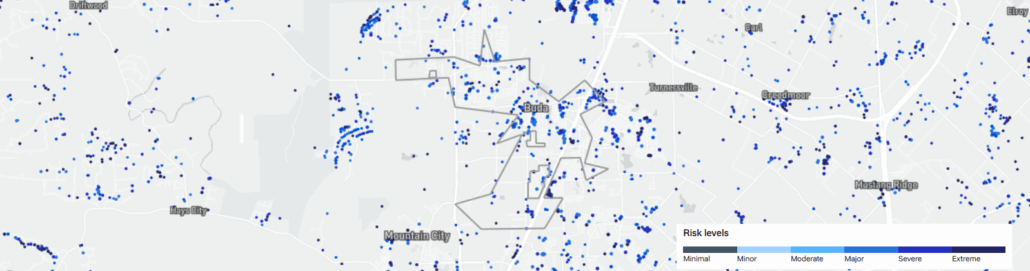
The region’s geographical characteristics create specific risks. Positioned along the I-35 corridor between Austin and San Marcos, Buda properties experience flash flooding from heavy rainfall, hail damage from severe thunderstorms, water damage from aging infrastructure in older neighborhoods, and fire risks common to Central Texas climate.
Understanding these regional factors helps when filing insurance claims. Professional claim assistance in Buda provides localized knowledge that strengthens your claim presentation. Adjusters familiar with the area recognize these common damage causes, but they still require comprehensive documentation and proper claim structure.
Insurance policies vary dramatically in coverage, exclusions, and settlement approaches. Homeowners policies typically cover sudden, accidental damage but exclude gradual deterioration or maintenance issues. Commercial policies include business interruption coverage and equipment replacement provisions. Understanding your specific policy determines which damages qualify for claims.
Many Buda property owners discover too late that their policies exclude certain damage types or include coverage limits that seem adequate until major losses occur. Professional claim assistance includes policy review services that identify coverage gaps before damage occurs and maximize available coverage when claims become necessary.
The claims process timeline varies based on damage complexity and insurance company responsiveness. Simple claims might settle within weeks, while complex cases involving structural damage or coverage disputes can extend for months. Professional assistance accelerates this timeline by ensuring proper documentation from the start and preventing delays caused by incomplete submissions.
Step 1: Immediate Response and Damage Control
The moments immediately following property damage discovery determine much of your claim’s success. Quick, appropriate action prevents additional damage while fulfilling your policy obligations for damage mitigation.
Immediate Safety Assessment
Before concerning yourself with insurance claims, ensure everyone’s safety. Evacuate if necessary, particularly in cases involving fire, gas leaks, electrical hazards, or structural instability. Contact emergency services if immediate dangers exist.
Once safety is confirmed, secure the property against further damage or theft. This might include shutting off water sources to prevent continued flooding, covering roof damage with tarps to prevent rain intrusion, boarding windows to prevent weather damage or unauthorized entry, and turning off electricity if water damage threatens electrical systems.
Document these emergency actions through photographs and detailed notes. Your insurance policy requires reasonable mitigation efforts, and this documentation proves you fulfilled these obligations.
Contact Your Insurance Company
Report damage to your insurance company as quickly as possible. Most policies specify notification timeframes, often 24-72 hours. Delayed reporting can jeopardize your entire claim.
During this initial contact, provide basic information about what happened, when damage occurred, approximate damage extent, and your contact information. Request a claim number and ask about coverage for emergency mitigation costs.
Keep detailed notes of this conversation including the representative’s name, date and time of contact, claim number assigned, and any instructions provided. This documentation protects you if disputes arise later about notification timing or initial reporting accuracy.
Begin Emergency Mitigation
Don’t wait for insurance company approval to begin emergency mitigation. Policies require you to prevent further damage, and costs for reasonable mitigation efforts are typically covered.
For water damage, this means immediate water extraction to prevent flooring destruction, running dehumidifiers to control moisture, moving belongings to dry areas, and removing saturated materials that cannot be salvaged.
Professional restoration companies like Prime Time Restoration understand these emergency requirements and can respond quickly throughout the Buda area. Their 24/7 availability with 90-minute response times ensures damage doesn’t worsen while you’re arranging help.

Emergency mitigation serves dual purposes. It protects your property from additional damage while demonstrating to insurance companies that you’re a responsible policyholder who takes damage seriously. This responsible approach can influence how adjusters view your entire claim.
Step 2: Professional Damage Assessment and Documentation
Once immediate dangers are controlled, comprehensive damage assessment becomes the priority. This assessment determines your settlement amount, making it the most critical phase of the insurance claim process.
Why Professional Assessment Matters
Property owners typically lack experience identifying all damage resulting from events like water intrusion or fire. What appears as surface damage often extends deep into walls, floors, and structural components.
Water damage particularly deceives untrained observers. Visible water might be extracted, but moisture remains trapped in wall cavities, under flooring, and within structural materials. Without proper detection equipment, this hidden moisture goes unnoticed until mold growth or structural deterioration appears weeks later.
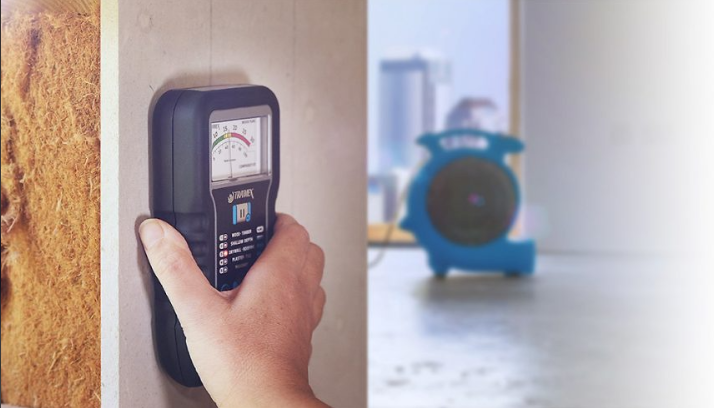
Professional assessment uses specialized equipment including moisture meters that detect water content in materials, thermal imaging cameras revealing temperature variations indicating moisture, hygrometers measuring relative humidity levels, and air quality monitors detecting environmental contaminants.
These tools identify damage invisible to the naked eye. Insurance companies recognize and respect assessments conducted with professional equipment, as this technology provides objective, measurable data rather than subjective opinions.
Comprehensive Documentation Standards
Professional claim assistance in Buda includes documentation that meets insurance industry standards. This comprehensive approach includes detailed photography from multiple angles, video walkthroughs showing spatial relationships, moisture readings recorded at multiple locations, written descriptions of observed damage, and material samples when contamination is suspected.
Photography should capture damage progression, showing how it extends from the source throughout affected areas. Include reference objects in photos to demonstrate scale, and ensure proper lighting reveals details clearly.
Many insurance claims fail because documentation proves inadequate to support claimed damages. Professional restoration companies understand documentation requirements and ensure your claim package includes everything adjusters need for accurate settlement calculations.
Inventory Development
For damaged personal property or business assets, detailed inventories strengthen claims significantly. List each affected item including description and identifying details, approximate age and condition before damage, original purchase price when known, and estimated replacement cost.
Supporting documentation like receipts, warranty cards, or product manuals substantiate these inventories. For items without receipts, online research showing comparable replacement costs helps establish values.
Many property owners underestimate the value of accumulated possessions. A thorough inventory often reveals that damaged belongings total far more than initial estimates suggested. Professional assistance ensures nothing is overlooked or undervalued.
Hidden Damage Investigation
Professional assessment includes investigation for damage not immediately apparent. In water damage cases, this means checking areas where water likely spread but shows no surface evidence. Moisture meters detect this hidden water, preventing future mold growth and structural damage.
Fire damage assessment requires similar diligence. Smoke and soot travel throughout properties, damaging areas far from fire sources. Professional assessment identifies all affected areas, ensuring your claim covers complete restoration.
Storm damage assessment examines not just obvious destruction but also compromised structural integrity that might not fail immediately but creates safety hazards or future damage risks. Professional structural evaluation identifies these concerns before they become disasters.
Step 3: Strategic Communication with Insurance Adjusters
Insurance adjusters are trained professionals whose job involves evaluating claims and determining settlement amounts. Understanding how to communicate effectively with adjusters significantly impacts your claim outcome.
Understanding the Adjuster’s Role
Adjusters work for insurance companies, not policyholders. While most are ethical professionals, their performance evaluations often include metrics around settlement amounts and claim costs. This creates inherent conflict between their interests and yours.
Recognizing this dynamic doesn’t mean treating adjusters as adversaries. Professional, cooperative communication produces better results than confrontational approaches. However, understanding their position helps you prepare appropriately and advocate effectively for fair settlements.
Adjusters handle numerous claims simultaneously, giving each limited attention. Making their job easier through well-organized documentation and clear communication can work in your favor. Adjusters appreciate claims that are thoroughly documented and professionally presented.
Preparing for the Adjuster’s Visit
The adjuster’s property inspection represents a critical moment in your claim. Preparation for this visit can significantly impact settlement amounts.
Schedule the inspection at a time when you or your professional representative can be present. Never let adjusters inspect alone, as they might miss important damage or misunderstand the extent of necessary repairs.
Prepare a written summary of the damage event including what happened, when it occurred, what you observed, and what immediate actions you took. This summary helps adjusters understand context and ensures consistent information throughout claim documents.
Organize all documentation before the adjuster’s arrival. Having photos, videos, receipts, and assessment reports readily available demonstrates professionalism and thoroughness. This organization impresses adjusters and encourages more careful claim consideration.
During the Inspection
Walk the adjuster through damaged areas systematically. Point out specific damage locations, explain how damage occurred and spread, show documentation supporting your claims, and answer questions directly and honestly.
Avoid speculation about damage you’re unsure about. If asked technical questions beyond your knowledge, acknowledge this and offer to have professionals provide that information. Inaccurate statements; even unintentional ones, can damage claim credibility.
If you’ve hired professional restoration assistance, ensure they’re present during the inspection. Their technical expertise helps adjusters understand specialized repair requirements and industry-standard restoration practices. Restoration professionals speak the adjuster’s language, facilitating better communication.
What Not to Say
Certain statements can harm your claim. Avoid saying you’re not sure about policy coverage; this might encourage claim denial. Stick to factual damage descriptions without speculating on coverage. Never exaggerate damage or misrepresent facts, as dishonesty discovered during investigation can result in claim denial and policy cancellation. Don’t accept blame for damage or suggest it resulted from negligence, as this might trigger coverage exclusions.
Focus communication on factual damage descriptions and required restoration work. Leave coverage determinations and settlement negotiations for later discussions after thorough review.
Follow-Up Communication
After the inspection, maintain regular communication with the adjuster. Request status updates at reasonable intervals, respond promptly to requests for additional information, and document all communications in writing when possible.
If the adjuster requests additional documentation, provide it quickly and completely. Delays in responding to adjuster requests slow claim processing and might create impressions of uncooperativeness.
Step 4: Negotiation Tactics That Increase Settlements
Initial settlement offers from insurance companies frequently undervalue true restoration costs. Effective negotiation increases these offers, often substantially.
Reviewing the Initial Offer
When you receive a settlement offer, review it carefully against your documentation and professional estimates. Look for specific discrepancies including damage that was documented but not included in the settlement, repair methods that don’t meet industry standards, material allowances that seem inadequate, and labor cost estimates that fall below market rates.
Create a point-by-point comparison between the insurance company’s estimate and professional repair estimates. This detailed analysis identifies exactly where the insurance offer falls short.
Many property owners accept initial offers without realizing they’re negotiable. Insurance companies expect negotiation and often make conservative first offers knowing most policyholders will counter.
Building Your Counter-Offer
Effective counter-offers include specific documentation supporting each requested increase. Rather than simply saying the offer is too low, explain exactly why additional compensation is necessary.
Professional restoration companies provide detailed estimates breaking down costs by category. These estimates show adjusters why certain repairs require specific methods or materials, justifying higher costs.
For example, water damage restoration often requires specialized drying equipment and anti-microbial treatments. If the insurance estimate only covers surface water extraction, professional documentation showing moisture remaining in structural materials supports claims for comprehensive drying services.
Include evidence of local market rates for materials and labor. Insurance companies sometimes use cost databases that don’t reflect actual local pricing. Providing quotes from licensed contractors demonstrates what restoration actually costs in Buda.
Leveraging Professional Expertise
Professional restoration companies bring credibility to negotiations. Their industry certifications, equipment investments, an insurance experience demonstrate expertise adjusters respect.
When Prime Time Restoration provides restoration estimates, insurance adjusters recognize they’re dealing with professionals who understand industry standards and pricing. This recognition often leads to quicker settlements at fair amounts.
Professional restoration companies also understand which repair methods insurance companies accept and how to document necessity for specialized treatments. This knowledge prevents settlement disputes over restoration approaches.
Addressing Specific Disputes
Common areas of dispute in insurance settlements include scope of damage, repair versus replacement decisions, code upgrade requirements, and additional living expenses or business interruption claims.
For scope disputes, additional professional assessment might be necessary. If the insurance company claims damage is less extensive than you believe, independent assessment by certified professionals provides objective evidence.
Repair versus replacement disputes often center on whether damaged materials can be effectively restored or require replacement. Industry standards address these questions, and professional documentation citing these standards supports replacement claims when appropriate.
Code upgrades represent frequent disputes. When restoration requires bringing systems up to current building codes, insurance companies sometimes claim these aren’t covered because they represent improvements rather than restoration. However, many policies include code upgrade coverage, and local regulations often require code compliance. Professional assistance helps navigate these disputes.
When to Escalate
If negotiations stall or the insurance company refuses reasonable settlement increases, escalation options exist. These include requesting supervisor review of the claim, filing complaints with the Texas Department of Insurance, hiring public adjusters for representation, and consulting attorneys specializing in insurance claims.
Escalation should be professional rather than threatening. Insurance companies respond better to factual presentations of why settlements are inadequate than to angry demands.
Document why you believe the settlement is unfair, provide supporting evidence, explain what fair settlement would include, and request reconsideration based on this information.
Step 5: Comprehensive Restoration and Final Settlement
Once settlement terms are agreed upon, restoration work can proceed. This final phase requires continued attention to ensure quality results and complete claim resolution.
Selecting Restoration Contractors
Choose restoration contractors carefully, even when insurance companies suggest specific providers. You’re not required to use insurance company preferred vendors, though they often offer streamlined processes.
Verify contractors are properly licensed and insured, have experience with your damage type, can provide references from similar projects, and understand insurance claim procedures.
Prime Time Restoration serves Buda and surrounding communities with comprehensive restoration services including water damage restoration, fire damage remediation, storm damage repair, mold remediation, and complete reconstruction.
Their experience working directly with insurance companies ensures work meets claim requirements while achieving quality results. This insurance familiarity prevents disputes over restoration methods or costs.
Monitoring Restoration Progress
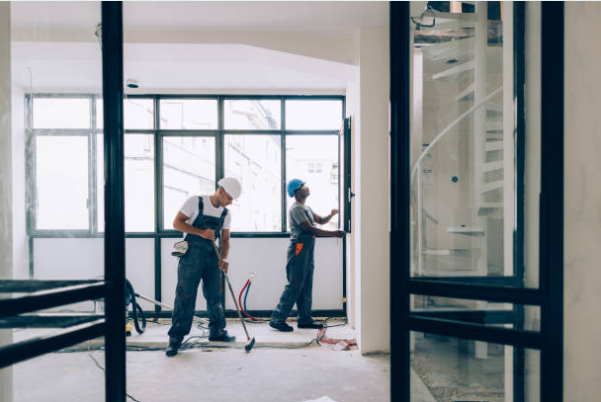
Stay involved throughout the restoration process. Regular check-ins ensure work progresses according to schedule, quality meets expectations, and unexpected issues are addressed promptly.
If restoration uncovers additional damage not included in the original claim, document it immediately and notify the insurance company. Most policies allow claim amendments for newly discovered damage, but proper documentation and prompt notification are essential.
Professional restoration companies handle these communications with insurance companies, ensuring additional damage gets approved and included in settlements without delaying overall restoration progress.
Dealing with Payment Structures
Insurance companies often issue payments in stages rather than lump sums. Typical structures include initial payment for emergency mitigation, interim payments as restoration progresses, and final payment upon completion and verification.
Understanding this payment structure helps you plan financially and ensures contractors receive payment for completed work. Professional restoration companies experienced with insurance billing can work within these payment schedules.
Some policies include depreciation holdbacks, where the insurance company initially pays actual cash value and releases replacement cost payments only after repairs are completed. Ensure you understand your policy’s payment structure to avoid surprises.
Final Inspections and Sign-Offs
Insurance companies typically require final inspections before releasing last payments. These inspections verify that restoration work matches approved estimates and brings the property back to pre-loss condition.
Attend these final inspections with your restoration contractor. Address any concerns the adjuster raises immediately to prevent payment delays.
Once the insurance company approves final work and releases remaining payments, you’ll typically sign documents closing the claim. Review these carefully before signing to ensure all work is complete and all payments received.
Supplemental Claims
Sometimes damage becomes apparent only after restoration is underway or even completed. Most policies allow supplemental claims for this newly discovered damage, but timing and documentation requirements apply.
File supplemental claims as soon as additional damage is discovered. Explain why the damage wasn’t apparent earlier; for example, it was concealed behind finished surfaces that weren’t removed until restoration began.
Professional documentation of supplemental damage proves particularly important, as insurance companies scrutinize these claims carefully to prevent fraudulent additions to settled claims.
Avoiding Insurance Claim Pitfalls in Buda Properties
Learning from common mistakes helps Buda property owners navigate claims successfully. These pitfalls frequently reduce settlements or complicate claim processes.
Pitfall 1: Inadequate Emergency Response
Failing to act quickly after damage discovery allows problems to worsen. Water damage spreads rapidly, fire residue becomes more difficult to clean as time passes, and storm damage exposes properties to additional weather intrusion.
Insurance policies require reasonable mitigation efforts. Failure to mitigate can result in claim denials for damage that could have been prevented with prompt action.
Professional emergency services available 24/7 throughout Buda ensure quick response regardless of when damage occurs. Prime Time Restoration’s 90-minute response time prevents damage escalation while fulfilling your policy obligations.
Pitfall 2: Insufficient Documentation
Many claims receive reduced settlements simply because documentation doesn’t adequately prove damage extent or repair costs. Insurance companies pay what documentation supports, not what policyholders claim verbally.
Take extensive photos and videos, maintain detailed records of all damage-related expenses, save receipts for emergency purchases and services, and get professional assessments with measured data.

Over-documentation rarely hurts claims; under-documentation frequently does. When in doubt, document more rather than less.
Pitfall 3: Poor Communication
Inconsistent statements about damage circumstances, failure to respond promptly to adjuster requests, and aggressive or confrontational communication styles all damage claims.
Maintain professional communication throughout the process. Keep records of all conversations and correspondence. If you’re frustrated with claim handling, address concerns professionally rather than emotionally.
Professional claim assistance helps maintain appropriate communication. Restoration companies experienced with insurance claims know how to advocate firmly while keeping relationships productive.
Pitfall 4: Accepting Inadequate Settlements
Many property owners accept first settlement offers without realizing they’re negotiable or understanding that offers often undervalue true restoration costs.
Compare settlement offers against professional repair estimates. Question any significant discrepancies. Don’t feel pressured to accept offers quickly; take time to review carefully.
Professional restoration companies can review settlement offers and identify where they fall short of actual restoration requirements. Their input helps you determine whether offers are fair or require negotiation.
Pitfall 5: Starting Unauthorized Repairs
While emergency mitigation is necessary and covered, beginning permanent repairs before insurance authorization can jeopardize claims. Insurance companies require opportunities to inspect damage before restoration.
Distinguish between emergency mitigation that prevents further damage and permanent repairs that restore property to pre-loss condition. Get insurance approval before beginning permanent work.
Professional restoration companies understand this distinction and ensure work proceeds in the proper sequence to maintain claim validity while preventing damage escalation.
Pitfall 6: Ignoring Policy Deadlines
Insurance policies include various deadlines for claim notifications, documentation submissions, and settlement acceptances. Missing these deadlines can result in claim denials or forfeited rights.
Read your policy carefully to understand all applicable deadlines. Calendar important dates to ensure compliance. If deadlines seem impossible to meet, contact your insurance company to request extensions before deadlines pass.
Professional claim assistance includes tracking these deadlines and ensuring all requirements are met timely.
Conclusion
Insurance claim assistance in Buda transforms overwhelming challenges into manageable processes with successful outcomes. Professional support ensures comprehensive documentation, effective adjuster communication, strategic negotiation, and quality restoration; all while reducing your stress during difficult times.
The five critical steps outlined above provide a roadmap for successful claims. Immediate response and damage control prevent additional losses. Professional assessment and documentation create the foundation for fair settlements. Strategic communication with adjusters ensures proper claim evaluation. Effective negotiation secures adequate compensation. Comprehensive restoration returns your property to pre-loss condition.
Prime Time Restoration brings decades of combined experience to insurance claim assistance throughout Buda and surrounding communities. From initial emergency response through final restoration completion, their team guides you through each step while advocating for maximum settlements.
Property damage creates chaos in your life. Professional claim assistance restores order, ensuring your insurance policy delivers the protection you’ve been paying for. The investment in professional support pays for itself through increased settlements, faster resolution, and peace of mind.
When disaster strikes your Buda property, immediate professional assistance makes all the difference. Contact Prime Time Restoration 24/7 at 210-656-3469 for emergency response within 90 minutes anywhere in the Buda area. Their team stands ready to protect your property and support your insurance claim from the first moment of contact.
Visit Prime Time Restoration’s testimonials page to read about successful claim assistance from satisfied property owners throughout Central Texas. Connect with them on Instagram, Facebook, and LinkedIn for ongoing property protection insights.
Don’t navigate insurance claims alone; professional assistance ensures you receive every dollar your policy owes while transforming property disasters into complete recoveries that exceed your expectations.