Water Damage Repair Near Me: 7 Critical Steps Every Texas Homeowner Must Take in the First 24 Hours
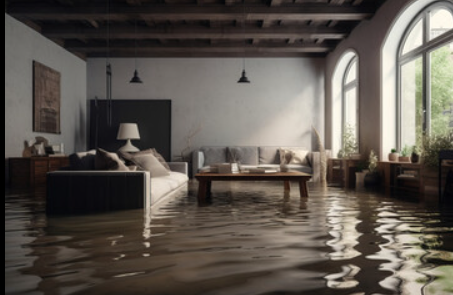
Table of Contents
When water damage strikes, the first 24 hours determine everything. Homeowners searching for water damage repair near me should immediately:
(1) shut off the water source, (2) cut electricity to flooded zones, (3) photograph every inch of damage before touching anything, (4) extract standing water using a wet-dry vac or call a professional extractor, (5) deploy fans and dehumidifiers to begin structural drying, (6) inspect for hidden moisture and early mold using a moisture meter, and (7) contact a certified water damage restoration company within the hour. Every 60 minutes of delay expands microbial growth risk by an estimated 30 percent and compounds material replacement costs significantly.
You stepped through your front door and felt it before you saw it; the carpet squishing under your feet, the faint smell of damp concrete, the slow creep of brown water edging toward the baseboard. Or maybe it was the ceiling. A spreading amber stain that did not exist yesterday morning. In both cases, your first instinct was correct: something has to happen right now.
Water damage repair is not a weekend project you can schedule for next month. It is a race against biological and structural timelines that every property owner searching for water damage repair near me must understand; and that gap in understanding is precisely why water damage claims in the United States average between $11,000 and $25,000 per incident, according to data from the Insurance Information Institute.
The property owners who end up on the lower end of that range share one thing in common: they immediately searched for water damage repair near me and acted in the first hour, not the first weekend. This guide is built around that urgency. It covers every critical action you need to take in the first 24 hours when searching for water damage repair near me; because when water is rising in your home, having this knowledge could save you thousands; written to the standard of a professional restoration technician, not a general home improvement blog.
What Happens When Water Damage Goes Untreated Beyond 48 Hours
Understanding the deterioration timeline is critical for any property owner who is tempted to delay calling for water damage repair near me. Many homeowners underestimate how aggressively a water event compounds when left unaddressed. What begins as a manageable water damage repair near me call becomes a demolition and reconstruction project within days.
At the 48-hour mark, drywall that has been in continuous contact with moisture begins losing structural integrity. The gypsum core softens and crumbles. The paper face layer delaminates from the gypsum core entirely. At this stage, affected drywall cannot be dried and reused; it must be removed and replaced. The cost distinction is significant: drying in-place averages between $1.50 and $3.00 per square foot; full drywall replacement costs between $4.00 and $8.00 per square foot installed, not including finishing, painting, or adjacent material removal.
Wood framing that remains wet beyond 48 to 72 hours begins the process of microbial wood decay under the right temperature conditions. In Texas residential construction, where pine framing and OSB (oriented strand board) subfloor panels are standard, wet conditions accelerate this process measurably. OSB is particularly vulnerable: the adhesive resins binding the wood strands begin breaking down under sustained moisture exposure, causing structural delamination that cannot be reversed through any drying process. A subfloor panel that required drying at the 12-hour mark requires full replacement at the 72-hour mark.
Concrete slabs, which appear impervious to water, are in fact porous. Moisture that penetrates a concrete slab migrates upward by capillary action and creates sustained humidity at the floor surface even after topside water is removed. Flooring installed over a wet slab; vinyl plank, hardwood, tile with organic adhesive; will continue showing moisture problems weeks after the original event unless the slab is dried using specialized drying mats and subsurface drying systems specifically designed for below-surface moisture extraction. Standard air movers cannot address sub-slab moisture.
How the Mold Timeline Actually Works
Mold growth that begins within 24 to 48 hours does not plateau once it starts. Under sustained moisture conditions, mold colonies expand their surface area continuously. What appears as a small discolored patch on a baseboard on day two is likely a multi-square-foot colony inside the wall cavity by day five. Surface visibility is always a lagging indicator in water damage repair near me situations; for every square inch of mold visible on a painted surface, there are typically multiple square feet of colony growth on the paper face of the drywall behind the paint and inside the insulation layer beyond it.
This is precisely why professional water damage repair near me services that include mold inspection as an integrated part of the drying process; rather than treating it as a separate future concern; produce dramatically better outcomes. By the time mold is visible to the naked eye and you are calling a mold remediation company, the scope and cost of the remediation have already expanded well beyond what early integrated intervention would have required.
Expert Insight: Industry data from IICRC-affiliated restoration contractors consistently shows that restoration projects initiated within two hours of water intrusion have a material salvage rate above 80 percent. Projects initiated at 48 hours have a material salvage rate below 40 percent. Every hour between those two points represents measurable additional cost.
A Storm Season Reality Check for San Antonio and South Texas Property Owners
San Antonio and the broader South Texas region experience a specific weather pattern that creates recurring, predictable water damage risk that many property owners do not fully account for in their emergency planning. Understanding this regional risk is directly relevant to why water damage repair near me availability, response time, and service depth matter more here than in climatically more forgiving parts of the country.
The Texas Hill Country immediately north and west of San Antonio is classified by the National Weather Service as one of the most flash-flood-prone regions in the continental United States. The combination of thin karst limestone topography with minimal groundwater absorption capacity, steep drainage gradients that concentrate runoff rapidly, and periodic Gulf moisture surges creates conditions where rainfall intensities of two to four inches per hour are not unusual during peak summer and fall storm events. This runoff reaches residential areas faster than storm drain infrastructure can manage; and properties at or near flood plain boundaries face risk that does not require a declared disaster event to materialize.
Simultaneously, San Antonio’s substantial inventory of mid-century residential construction; homes built between 1950 and 1980; contains plumbing systems that were not designed for the demand loads or thermal stress cycles created by modern appliance usage and Texas temperature variance. The freeze events that occur in the San Antonio region with enough regularity to constitute a planning consideration; rather than a once-in-a-generation anomaly; create burst pipe conditions that can discharge hundreds of gallons per minute into interior spaces. February 2021’s Winter Storm Uri produced an estimated 800,000 water damage incidents across Texas, with the San Antonio metropolitan area accounting for a significant portion of those claims. Many of those events revealed properties that lacked proper pipe insulation, accessible interior shut-off valves, or any emergency response plan.
The practical conclusion for Central and South Texas property owners is straightforward: water damage from storm flooding, flash flood intrusion, freeze-related burst pipes, and appliance failure is not a remote theoretical risk in this region. It is a recurring seasonal reality with documented annual incidence. The property owners who navigate these events with the least financial exposure are consistently the ones who pre-selected a trusted water damage repair near me provider before the event occurred, know where their shut-off valves and circuit breakers are located without searching for them in an emergency, and understand their insurance coverage well enough to document a claim effectively from the first hour.
Three Preventive Investments That Pay Off Before a Water Event
First: have a licensed plumber inspect the supply line connections on every major appliance every three to five years. Washing machine supply hoses, refrigerator ice maker lines, and dishwasher drain hoses are among the most common residential water damage sources and degrade silently over time. Replacing rubber supply hoses with braided stainless steel versions costs less than $50 per appliance and dramatically extends the interval between replacements while significantly improving resistance to pressure failure.
Second: install a properly sized sump pump with a battery backup system in any property that has below-grade living space or sits near a drainage area. A sump pump that fails during a power outage; which is precisely the condition that accompanies the same storm events that cause basement flooding; provides no protection at the moment it is needed most. Battery backup sump systems cost between $200 and $400 and are among the highest return-on-investment property protection measures available in flood-prone Texas communities.
Third: review your homeowner’s insurance policy declarations page annually, not just at renewal. Texas weather patterns have prompted many carriers to modify water damage coverage terms in recent policy cycles. Knowing whether your current policy covers sudden water intrusion from internal sources, whether your contents are adequately covered, and whether your property’s location requires a separate flood endorsement under the National Flood Insurance Program is information that is far less expensive to obtain before a loss than after one. A conversation with your agent today; and a pre-selected water damage repair near me team on speed dial; could prevent a devastating coverage gap tomorrow.
Why the First 24 Hours of Water Damage Are the Most Expensive Hours You Will Ever Waste
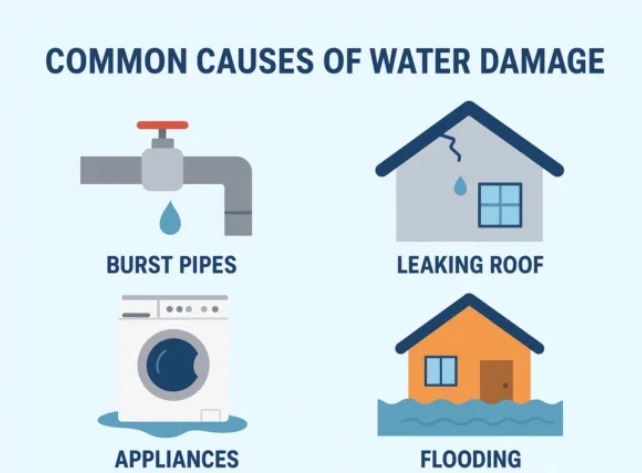
Most homeowners understand that water damage is bad. Far fewer understand the biological and physical mechanics that make the first 24 hours so decisive. Here is what is actually happening inside your walls, floors, and ceilings the moment moisture breaches a surface.
Within the first hour, water begins wicking upward into drywall through capillary action. Gypsum board; the material in virtually every wall in modern Texas residential construction; absorbs moisture at a rate of roughly one inch per hour vertically. A two-inch flood line on your baseboard very likely means the bottom eight to twelve inches of your wall cavity already contains saturated insulation.
Between one and six hours, wood subfloor panels begin to swell along their edges. Laminate and engineered hardwood flooring begin delaminating from below, even when the surface still appears intact. The adhesive bonds holding vinyl plank flooring to concrete slabs lose integrity in high moisture conditions; and once that bond breaks, the floor must be replaced rather than dried in place.
Between six and twenty-four hours, ambient humidity in the affected space rises dramatically. At relative humidity above 70 percent, mold spores; which exist naturally at low concentrations in virtually every indoor environment; find the conditions they need to germinate. The EPA confirms that mold can begin active growth within 24 to 48 hours under ideal moisture conditions. Ideal, in this context, means any water-saturated surface above 60 degrees Fahrenheit.
Beyond 24 hours, the biology accelerates. By 48 hours, mold colonies are visible to the naked eye. By 72 hours, affected drywall, insulation, and wood framing often require full replacement rather than drying and salvage; a distinction that can add $5,000 to $15,000 to a restoration project.
Key Insight: The single most expensive decision a property owner makes after water damage is the decision to wait and see. Professional water damage repair near me services exist precisely because delay is the enemy.
Step 1 ; Locate and Stop the Water Source Before You Do Anything Else
Every second of active water flow adds volume, expands the contamination footprint, and saturates more materials. Your first action has nothing to do with cleanup; it is source control.
For a burst supply line or failed pipe joint, locate your main shut-off valve immediately. In most San Antonio and South Texas residential builds, the main shut-off is at the water meter box near the street, inside a utility closet, or in a garage wall adjacent to the front hose bib. If you do not know where yours is, stop reading and go find it before you need it.
For a failed appliance; a washing machine supply hose, an ice maker line, or a dishwasher drain connection; turn off the dedicated shut-off valve directly behind or beneath the unit. Most homeowners do not realize that every major water-connected appliance has its own isolation valve. These valves are often easier to reach in an emergency than the main.
For storm-related intrusion or rising water from outside the structure, source control takes a different form. You cannot stop the rain, but you can redirect water away from foundation vents, seal door thresholds with sandbag barriers, and move belongings from floor level to elevated surfaces. Simultaneously, activate a sump pump if your property has one; and if it has failed due to power loss, a battery backup sump pump is a $150 investment that can prevent thousands in damage.
Pro Tip: Texas building code requires that main shut-off valves be accessible without tools. If yours requires a special key or wrench, keep that tool zip-tied directly to the valve box; not in a drawer inside the house.
Step 2 ; Kill the Power to Every Flooded Zone Immediately
Standing water and live electrical circuits create electrocution hazards that kill people in flood situations every year. This is not a risk to evaluate; it is one to eliminate before you enter the space.
Go to your breaker panel and switch off every circuit that serves a flooded zone. If you cannot identify the correct circuits because your panel is unlabeled; which is common in older San Antonio construction; turn off all circuits feeding the affected floor or zone. When in doubt, cut more power than you think you need.
There are two situations where you should not enter the water at all, regardless of the power status. First: if your electrical panel is in the affected zone and is itself partially submerged or splashed. Second: if water is standing more than two inches deep over a concrete slab floor where in-slab electrical conduit is present. Both require your utility company to disconnect service at the meter before anyone enters.
A critical point that many homeowners miss: residual moisture inside walls, outlet boxes, and flooring layers can short out electrical components days after the visible water is gone. Do not restore power to a previously flooded zone until a licensed electrician has inspected every outlet, switch, and junction box in the affected area and confirmed it is safe.
Step 3 ; Document with Surgical Precision Before You Move a Single Object
Your documentation is not just a courtesy to your insurance company. It is the legal and financial record of your loss; and in disputed claims, it is your only leverage. Weak documentation routinely results in partial denials, lowball estimates, and drawn-out claim timelines.
Before you touch anything; before you drag a wet rug to the door or stack chairs on a dry table; record everything in video first. Walk every affected room at a slow pace. Pan the camera from ceiling to floor along every wall. Open every cabinet and closet door. Crouch down and capture water lines on baseboards and furniture legs. Film the source point: the burst pipe, the overflow appliance, the breached window seal.
After video, switch to photos. Capture the following specifically: water level indicators on walls, flooring seam separation, ceiling staining with the measurement of the stain, any visible mold or discoloration, electrical outlet covers near the water line, and serial number tags on any appliances involved. Use a measuring tape or common object for scale in each photo.
Create a written inventory of every damaged item, including brand, model, approximate age, and replacement value. This list is used during the contents coverage portion of your claim; and it can be submitted alongside your contractor’s estimate to support a complete settlement.
Homeowners in Buda and Cibolo have found detailed guidance through Prime Time’s location-specific claim resources; including the Buda insurance claim assistance guide and the Cibolo insurance claim walkthrough. These step-by-step references are written for Texas property owners navigating the claims process for the first time.
Step 4 ; Extract Standing Water; the Right Way and the Wrong Way
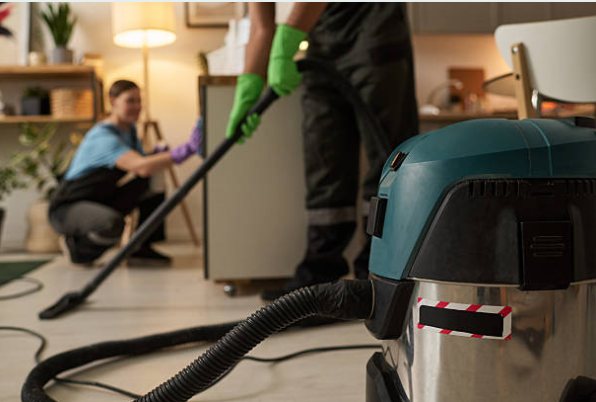
Standing water is your most immediate material threat. Every hour of contact between water and a porous surface; drywall, wood, concrete, carpet pad; multiplies the saturation depth and extends the drying timeline. The physics are unforgiving: water that has been in contact with subfloor OSB for four hours is dramatically harder to dry than water that has been there for one.
For minor water intrusions; a small appliance leak, a contained toilet overflow, less than a quarter inch of standing water across a small area; a consumer-grade wet-dry vacuum can manage the bulk extraction. Run it in overlapping passes, changing direction each pass to capture water being pushed by the vacuum’s airflow. Empty the tank frequently; a full tank reduces suction significantly.
For anything beyond that threshold; a burst main line, a dishwasher flood, basement water intrusion, or any storm flooding; consumer equipment is not adequate. Professional water damage repair near me teams use truck-mounted extraction units that generate 200 to 300 inches of water lift; compared to roughly 80 inches for the best consumer wet-dry vacuums. That difference is not marginal; it means reaching moisture that has wicked into carpet padding, into concrete pores, and into the base layer of drywall.
What you should never do: use a standard household mop and bucket as your primary extraction method. Mops move surface water; they do not extract moisture from porous materials. Using a mop as your primary response delays professional intervention and allows sub-surface saturation to deepen. Similarly, do not use a leaf blower or box fan as a substitute for extraction; airflow dries surface moisture while leaving deep structural moisture completely unaddressed.
Prime Time Restoration is the water damage repair near me team San Antonio trusts; operating 24/7 emergency water extraction across the full Texas service area with a guaranteed 90-minute response time. Their extraction equipment is commercial-grade; designed for the full spectrum of residential and commercial water damage events.
Step 5 ; Begin Structural Drying Within the First Six Hours
Extraction removes the bulk water. Drying removes the moisture that remains inside every porous material in the affected zone; and this distinction is where most DIY recovery attempts fail completely.
Structural drying is a science with specific physics. It requires three simultaneous variables: airflow across wet surfaces, temperature above 70 degrees Fahrenheit to accelerate evaporation, and active dehumidification to remove the evaporated moisture from the air before it re-deposits on cooler surfaces.
Industrial air movers; sometimes called LGR (Low Grain Refrigerant) drying fans; produce airflow measured in hundreds of cubic feet per minute directly against wet surfaces. They are positioned at specific angles to wet walls, floors, and ceiling surfaces based on drying calculations that factor in room volume, material type, and initial moisture readings. Consumer box fans produce perhaps 200 CFM in open air. Professional air movers produce 1,500 to 2,500 CFM directed at a specific target surface; an order of magnitude difference in drying speed.
Dehumidification runs in tandem. Commercial desiccant or refrigerant dehumidifiers remove between 100 and 250 pints of moisture per day from the air. Compare that to the best consumer dehumidifier, which removes 50 to 70 pints per day in ideal conditions; and far less in a high-humidity flood environment where incoming moisture from wet materials constantly replenishes air humidity.
The combination of professional air movers and dehumidification typically achieves drying goals in three to five days that DIY methods cannot match in three to five weeks. And every additional day of moisture exposure is a day where mold risk increases, structural materials degrade further, and your overall restoration cost rises.
Expert Note: Professional drying is not set-and-forget. Technicians return daily to take moisture meter readings, adjust equipment positioning based on drying progress, and confirm that materials are reaching dry standard before equipment is removed.
Step 6 ; Find the Moisture You Cannot See
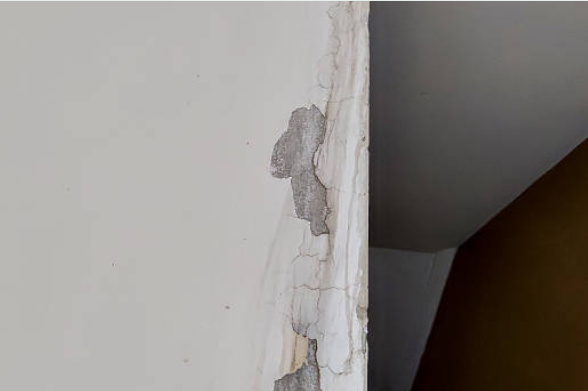
This step is where inadequate restoration creates problems that surface months later; typically in the form of a mold remediation project that costs more than the original water damage repair would have.
Water does not stay where you can see it. It moves through the physics of pressure and capillary action into spaces that are completely invisible during a visual inspection. A single supply line burst in a kitchen can push moisture into the toe kick cavity of adjacent cabinets, wick up the drywall behind the refrigerator niche, migrate under the vinyl flooring transition strip into the adjacent hallway, and follow an unsealed pipe penetration up into the wall cavity above the leak point.
Professional moisture mapping uses two technologies that fundamentally change the scope of what can be detected. Calibrated pin-type and pinless moisture meters measure relative moisture content in wood, drywall, and concrete; and flag materials that read above the dry standard threshold (typically below 16 percent for wood framing). Thermal imaging cameras detect temperature differentials on surfaces; evaporating moisture creates a characteristic cold signature on thermal scans that reveals wet zones inside walls without requiring a single hole to be cut.
In a properly conducted moisture survey, technicians map every affected surface in the building and create a floor plan notation of elevated readings. This map becomes the drying log; updated daily as materials move from wet to dry status. Without this data, you are essentially guessing whether your property is actually dry; and mold does not care about guesses.
Prime Time’s certified team includes Commercial Mold Remediation and advanced environmental hazard remediation services across the full San Antonio area. If mold is discovered during or after the water damage repair process, their team can execute complete remediation under one engagement; eliminating the need to coordinate a second contractor.
Step 7 ; Call a Certified Water Damage Repair Professional Near You
Steps one through three are genuinely within reach of a prepared homeowner. Steps four through six require industrial equipment, technical training, and calibrated measurement tools that are simply not available at a hardware store or tool rental shop.
A certified water damage restoration company brings four capabilities that cannot be replicated without professional infrastructure: industrial extraction, calibrated drying science, moisture verification technology, and documentation systems built to satisfy insurance adjuster review. Any one of these missing from your response plan is a gap that will likely cost you later.
When evaluating water damage repair companies near you, the single most important credential to verify when choosing water damage repair near me services is IICRC certification; specifically the WRT (Water Damage Restoration Technician) certification from the Institute of Inspection, Cleaning and Restoration Certification. This is the industry standard that insurance companies recognize when reviewing restoration claims. A non-IICRC contractor may still do good work; but their documentation may not carry the same weight with your insurer.
Ask specifically: Are your technicians WRT-certified? Do you use daily moisture logs during the drying process? Do you provide a written scope of work before beginning, and a final moisture certification when drying is complete? A company that answers all three questions clearly and affirmatively is operating at a professional standard.
For property owners in Seguin and the surrounding Hill Country area, Prime Time’s water damage restoration resource for Seguin provides a detailed overview of the restoration process, including what to expect during each phase from extraction through reconstruction.
Understanding Water Categories: Why Not All Water Damage Is Equal
Professional restoration science classifies water damage into three categories based on contamination level; and the category of water involved in your damage event determines the entire scope of the restoration response.
Category 1 ; Clean Water
Category 1 water originates from a sanitary source: a broken supply line, a failed ice maker connection, or an overflowing clean-water appliance. It presents no biological contamination risk at the time of loss. However, Category 1 water that sits untreated for more than 24 to 48 hours can degrade to Category 2 as it absorbs organic material from the surfaces it contacts.
Category 2 ; Gray Water
Category 2 water contains significant chemical, biological, or physical contamination. Sources include washing machine discharge, dishwasher overflow, aquarium leaks, and toilet bowl overflow without solid waste. Gray water requires antimicrobial treatment of all affected surfaces in addition to standard drying protocols; and any porous material; carpet, drywall, insulation; that has been in contact with Category 2 water for more than 24 to 72 hours is typically recommended for removal and replacement rather than drying and salvage.
Category 3 ; Black Water
Category 3 is grossly contaminated water containing sewage, rising floodwater from outside the building, or water that has passed through highly contaminated surfaces. This category requires full personal protective equipment, aggressive containment protocols, EPA-registered biocide treatment, and demolition of all affected porous materials. There is no safe drying-in-place protocol for Category 3 water damage. If your damage involves any possibility of sewage or outdoor flood water, do not attempt any cleanup without professional remediation guidance.
How Insurance Assistance Directly Affects Your Claim Payout
The insurance claim process that follows water damage is frequently more stressful than the event itself. Adjusters operate under mandate to settle claims efficiently; which is not always aligned with fully compensating every legitimate loss.
Having a professional restoration contractor who understands insurance documentation on your side fundamentally changes the dynamic. A restoration company with insurance assistance expertise knows how to present a scope of work in the line-item format that adjusters use; which eliminates the common “scope gap” where legitimate restoration activities are missed simply because they were not presented in a recognizable format.
Common insurance claim mistakes made by property owners without professional support: failing to document secondary damage items like furniture, electronics, and clothing contents; not capturing water category classification in the initial claim; and accepting a first-offer settlement before the full scope of structural drying and possible mold remediation is known. Each of these mistakes can result in thousands of dollars of legitimate restoration costs falling to the homeowner.
Prime Time Restoration provides Insurance Assistance as a direct service; not as an afterthought. For Canyon Lake property owners, the Canyon Lake insurance claim tips resource covers the specific documentation steps that support a complete claim. Houston property owners can reference the Houston insurance assistance strategies guide for a market-specific walkthrough of the claims process.
For Dallas-area commercial property owners, the Dallas insurance assistance strategies resource addresses the additional complexity of commercial policy structures and multi-tenant damage scenarios. And for homeowners in Hondo, the Hondo insurance claim assistance guide provides practical step-by-step claim navigation tailored to smaller-market Texas properties.
Serving San Antonio and Surrounding Texas Communities

Prime Time Restoration has built its reputation across Central and South Texas by responding faster, documenting better, and restoring more completely than the regional alternatives. Their service footprint covers the communities where water damage repair near me searches are highest; and where response time most directly impacts outcome.
They serve Hotels and Hospitality properties, Multifamily Units, Apartment Complexes, and Hospitals across their service area; in addition to single-family residential properties of all sizes.
Service areas include: San Antonio, Austin, Dallas, Houston, New Braunfels, San Marcos, Seguin, Schertz, Boerne, Fair Oaks Ranch, Spring Branch, Canyon Lake, Cibolo, Converse, Universal City, Live Oak, Leon Valley, Kyle, Buda, Selma, Hondo, and Timberwood Park.
For Fair Oaks Ranch and Boerne residents, Prime Time has dedicated insurance assistance resources at the Fair Oaks Ranch claim tips page and the Boerne insurance assistance guide. Both are written specifically for Hill Country homeowners dealing with storm-related water intrusion and pipe failures. Read verified accounts of Prime Time’s work directly from property owners at the Prime Time Restoration testimonials page; or connect with their team through Instagram, Facebook, or LinkedIn for ongoing tips, local emergency updates, and restoration education.
Conclusion
Water damage repair near me response is one of the most time-critical and technically demanding challenges a property owner will ever face. The seven steps in this guide are not suggestions; they are the difference between a property that recovers fully and a property that develops compounding problems for months after the initial event.
The biology of mold, the physics of moisture migration, the science of structural drying, the strategy of insurance documentation; none of these work in your favor if your response is slow or under-equipped. Every one of them works powerfully in your favor if you act in the first hour and partner with a certified professional who brings industrial tools, technical training, and insurance expertise to the job.
Prime Time Restoration serves San Antonio, Texas and surrounding communities with 24/7 emergency response, a 90-minute on-site guarantee, and a complete suite of restoration services from extraction through reconstruction. They work with every major insurance carrier, provide dedicated claims assistance, and serve residential homeowners alongside commercial clients including hotels, hospitals, apartment complexes, and multifamily properties.
Here is the question worth sitting with today; before the emergency happens:
If water started rising in your home right now, do you know where your shut-off valve is, what your insurance policy actually covers, and which water damage repair professional near you you would call in the first five minutes? If the answer to any part of that question is uncertain, Prime Time Restoration is available right now at 210-656-3469 or at ptr247.com/contact. Preparedness is not paranoia; it is the single most cost-effective thing you can do for your property.
How quickly can water damage become a mold problem in a Texas home?
The Texas climate; and particularly the San Antonio region where water damage repair near me response is most critical; accelerates the mold timeline due to high ambient humidity compared to drier climates. Under typical Central Texas indoor conditions, mold colonies can begin active germination within 24 hours on water-saturated drywall or wood surfaces. The warm temperatures that persist most of the year in this region mean that the 60-degree threshold for mold activity is almost never a limiting factor. Prompt drying, ideally within the first six hours of water intrusion, is the only reliable prevention.
What is the difference between water damage repair and water damage restoration?
These terms are often used interchangeably by homeowners searching for water damage repair near me services but describe distinct phases of the recovery process. Water damage repair typically refers to the physical fixing of the source and the replacement of damaged materials; new drywall, new flooring, repaired plumbing. Water damage restoration is the complete process from emergency response through final reconstruction; encompassing extraction, drying, mold inspection, material removal and replacement, and structural rebuilding. Full restoration is what Prime Time provides; the complete return of a property to its pre-loss condition.
Is water damage repair near me covered under a standard homeowner’s insurance policy?
Generally, yes; if the event qualifies as sudden and accidental, your water damage repair near me costs should be covered. Burst pipes, appliance failures, and sudden roof leaks are covered under most standard HO-3 and HO-5 policies. What is typically not covered: gradual leaks that the homeowner reasonably should have noticed and repaired, flood damage from overland water flow or rising bodies of water (which requires separate NFIP flood insurance), and sewage backup (which requires an endorsement in most policies). Reading your declarations page and speaking with your insurer before a loss occurs is the most effective way to understand your coverage.
Can I dry out water damage myself if the flooding was minor?
Minor water damage repair near me situations; genuinely minor, meaning less than a half-inch of clean water across a non-porous tile surface with no wall contact; can sometimes be managed with thorough consumer equipment if acted on immediately. However, the critical distinction is wall contact. The moment water contacts drywall, insulation, or wood framing, you are dealing with porous materials that require professional moisture meters to verify drying completion. Most homeowners who believe they dried out their own minor flood successfully later discover elevated moisture readings behind walls when selling their home; a disclosure problem that costs far more to resolve than professional drying would have.
How much does professional water damage repair near me typically cost in San Antonio?
In the San Antonio and South Texas market, water damage repair near me costs range from approximately $1,500 for a contained Category 1 incident in a single room to $40,000 or more for full-floor Category 3 events requiring structural demolition and reconstruction. The most common residential insurance claims in this region; burst supply lines and appliance failures; typically fall between $4,000 and $12,000 for extraction, drying, and affected material replacement. Your specific costs depend on water category, affected square footage, material types, and whether mold remediation is required. A professional assessment from Prime Time provides a detailed written estimate before work begins.