Emergency Water Damage Restoration: The 5-Step Response Every Homeowner Needs to Know
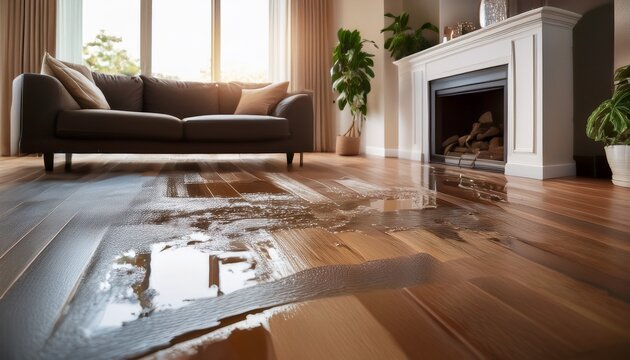
Table of Contents
Emergency water damage restoration is the immediate process of stopping water intrusion, removing standing water, drying affected areas, sanitizing surfaces, and restoring structural materials to prevent long-term damage. According to the EPA, mold can begin growing within 24 to 48 hours of water exposure, making a fast, structured response the single most important factor in limiting harm to your home and family.
Why Emergency Water Damage Restoration Can’t Wait
Imagine waking up at 2 a.m. to the sound of water rushing from a burst pipe beneath your kitchen sink. Within minutes, your floors are soaked. By morning, if nothing was done, the water has already seeped into your subflooring, saturated your drywall, and created the perfect warm, damp environment for mold colonies to begin forming.
This is not a hypothetical. It happens to thousands of homeowners across San Antonio, Texas every year; in areas like New Braunfels, Seguin, and Schertz where aging infrastructure meets Texas heat, the risk is even more pronounced.
Emergency water damage restoration is not just about cleaning up a mess. It is about acting strategically in the first few hours to prevent a manageable situation from becoming a structural and financial disaster.
This guide walks you through the 5 essential steps every homeowner must take the moment water damage strikes.
Step 1: Prioritize Safety Before You Touch Anything
The very first thing to do during any emergency water damage restoration situation is to stop and think about safety. Water and electricity are a deadly combination, and this is where many homeowners make critical mistakes.
Before stepping into any flooded area, turn off the electricity to the affected zone at your circuit breaker. If you are unsure whether it is safe to access the breaker, call an electrician before proceeding. Do not try to unplug electronics, move appliances, or wade through standing water while the power is still on.
Next, assess what kind of water you are dealing with. Restoration professionals classify water damage into three categories:
Category 1 (Clean Water): From a supply line, broken pipe, or appliance overflow. Lowest health risk.
Category 2 (Gray Water): From washing machines, dishwashers, or sump pump overflow. Contains some contaminants.
Category 3 (Black Water): From sewage backup, river flooding, or storm surge. Highly contaminated and dangerous. Do not touch this without proper PPE.
Knowing the category helps determine how quickly you need to evacuate the space and how much protective gear is required. If the source is black water, leave the room and call professionals immediately.

Step 2: Stop the Water Source Immediately
Once you have confirmed it is safe to move around, locate and stop the source of water entry. Every additional minute of flow adds more damage to your floors, walls, and furniture.
If a pipe has burst, locate the nearest shutoff valve and turn it off. In most homes, individual shutoff valves exist under sinks and behind toilets. If the source is harder to find, shut off your home’s main water supply valve, which is typically near the water meter or where the main line enters your foundation.
For roof leaks or storm flooding, you cannot stop the source outright; instead, your job is to limit entry. Use tarps or buckets strategically to redirect water away from critical zones like electrical panels, hardwood floors, or interior walls.
Once the flow is controlled, avoid using any fans or HVAC systems before professionals arrive. Turning on fans without proper dehumidification can spread moisture further into walls and ceilings, making the emergency water damage restoration process significantly more complex and costly.
Step 3: Call for Professional Emergency Water Damage Restoration
This is the most important step in the entire process, and the one most homeowners delay. Many people spend time mopping and toweling, thinking they have it under control; but water moves in ways you cannot see.
It penetrates behind baseboards, soaks through wall cavities, and pools beneath vinyl flooring without leaving a visible trace. By the time you smell mold or notice warping, the damage has already set in.
A professional emergency water damage restoration team arrives with industrial-grade equipment: thermal imaging cameras, moisture meters, submersible pumps, and commercial-grade dehumidifiers. They can detect hidden moisture behind walls that the naked eye would never find.
Prime Time Restoration offers a 90-minute response time to San Antonio and surrounding areas including Universal City, Converse, Live Oak, and Leon Valley. When every minute matters, that speed makes a measurable difference.
You can also reach Prime Time’s team through their active social community; follow updates and real restoration stories on Instagram and Facebook.
Step 4: Document Everything for Your Insurance Claim
While waiting for restoration professionals to arrive or during the initial safe assessment, begin documenting the damage thoroughly. This step is often neglected in the panic of an emergency, but it is critical to a successful insurance claim.
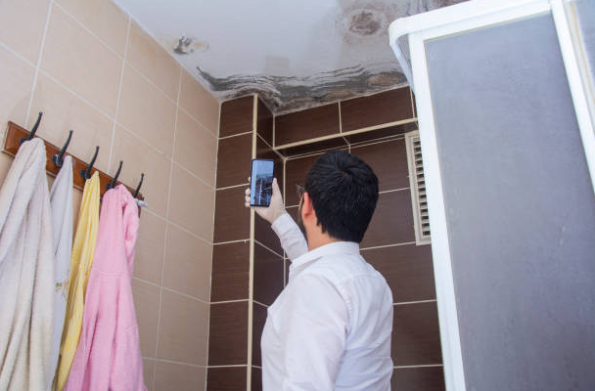
Use your phone to take clear, dated photographs and short video walkthroughs of every affected room. Capture water levels, damaged belongings, stained ceilings, and soaked walls from multiple angles. The more detail you document, the stronger your claim.
Make a written list of all affected items, including furniture, electronics, flooring materials, and any structural elements. Do not discard any damaged materials until your insurance adjuster has assessed them.
Insurance claims for water damage can be complex. Prime Time Restoration offers dedicated insurance claim assistance to homeowners across the region, including those in Buda, Cibolo, Canyon Lake, and Hondo. Their team knows how to document the damage in the specific format insurers require, which speeds up approvals and reduces disputes.
If you are in the Dallas area dealing with water damage, Prime Time also supports insurance claim assistance in Dallas for those who need it.
Step 5: Begin Structural Drying and Mold Prevention
Once professionals extract the standing water, the emergency water damage restoration process moves into its most critical silent phase: structural drying.
This is where many homeowners assume the job is done. It is not.
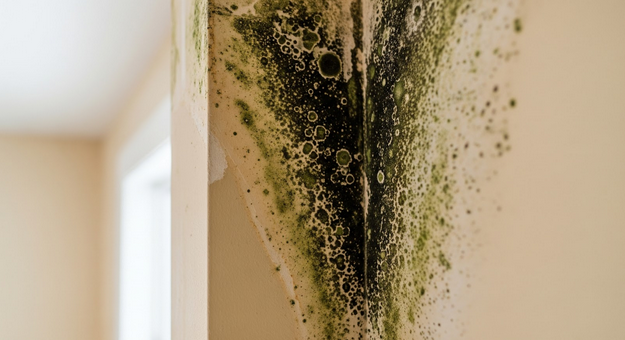
Even after all visible water is removed, moisture continues to live deep inside porous materials like drywall, insulation, engineered wood, and concrete. If this hidden moisture is not addressed with professional-grade dehumidification and air movement, mold growth will begin within 24 to 48 hours.
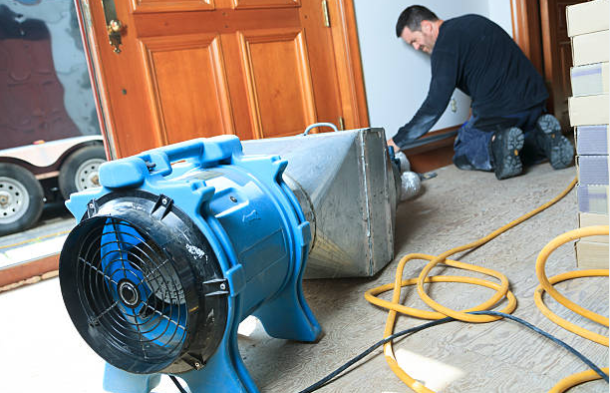
Professional restoration teams set up industrial dehumidifiers and high-velocity air movers in a precise configuration designed to pull moisture outward from structural materials. Daily moisture readings are taken to track drying progress; this process typically takes between 3 to 5 days depending on the severity of damage.
During this phase, antimicrobial treatments are also applied to affected surfaces to inhibit mold growth and neutralize bacteria. This is especially important in San Antonio’s warm, humid climate, where mold accelerates faster than in cooler regions.
Prime Time’s flood damage restoration services cover this entire structural drying process from extraction to post-drying verification.
What Happens If You Wait Too Long?
Delayed emergency water damage restoration has a compounding effect. Here is a rough timeline of what happens to an untreated water-damaged home:
Within 1 hour: Water soaks into porous surfaces; hardwood floors begin to warp; drywall starts to soften.
Within 24 hours: Mold spores begin to germinate; wood swells and buckles; metal components begin to corrode.
Within 48 to 72 hours: Structural integrity of drywall and subfloor is compromised; mold colonies become visible; bacteria levels in gray or black water escalate significantly.
Within 1 week or more: Major structural repairs required; mold remediation becomes necessary; the overall cost of restoration increases dramatically.
The earlier you act, the more you preserve; both structurally and financially.
Who Is Most Vulnerable After a Water Emergency?
Water damage does not affect all properties equally. Hotels and hospitality properties face the highest reputational risk; a single flooded guest room can trigger liability issues, health code violations, and negative reviews that are difficult to reverse.
Multifamily units and apartment complexes are especially at risk because one unit’s leak can quickly travel to units below it through shared plumbing systems and floor assemblies. Property managers in these settings need a restoration partner who can respond fast and coordinate across multiple units simultaneously.
Hospitals and healthcare facilities face an even higher standard; water contamination in a clinical setting requires strict infection control protocols during the entire emergency water damage restoration process.
Prime Time Restoration serves all of these property types across San Antonio, Austin, Houston, Kyle, Boerne, Fair Oaks Ranch, and beyond.
How Prime Time Restoration Responds in San Antonio
When a water emergency hits, Prime Time Restoration answers the call 24 hours a day, 7 days a week. Their 90-minute response time sets them apart in a market where every minute of delay translates to more damage and higher costs.
Their certified team handles everything from initial water extraction and structural drying to full reconstruction; so homeowners and property managers do not have to coordinate between multiple contractors. Prime Time also provides full insurance claim assistance and handles all documentation from start to finish.
Their service area spans one of the broadest coverage zones in the region: San Antonio, Schertz, Selma, Timberwood Park, Spring Branch, San Marcos, New Braunfels, Seguin, and more.
For a deeper look at their water damage restoration services in San Antonio or to read what past clients say, visit their testimonials page.
Connect with Prime Time on LinkedIn to stay up to date with industry tips and service updates.
Conclusion
Water damage rarely announces itself at a convenient time. But the good news is that with the right response in the first few hours, the outcome can be dramatically different from what happens when homeowners delay.
The 5 steps above; prioritizing safety, stopping the source, calling professionals early, documenting thoroughly, and completing structural drying; represent the difference between a manageable restoration and a months-long structural nightmare.
If you are currently facing a water emergency in San Antonio or the surrounding region, do not wait. Call Prime Time Restoration at 210-656-3469 for 24/7 emergency response. You can also reach them through the contact page.
Here is a question worth sitting with: If water were flooding your home right now at midnight, would you know exactly who to call and what steps to take?
If the answer is no, bookmark this guide. The 90 minutes between a call and the arrival of a professional team can make all the difference.
Address: 11495 Topperwein Road, San Antonio, TX 78233