Water Damage and Restoration: The Essential 7-Step Process Every Property Owner in San Antonio Must Know
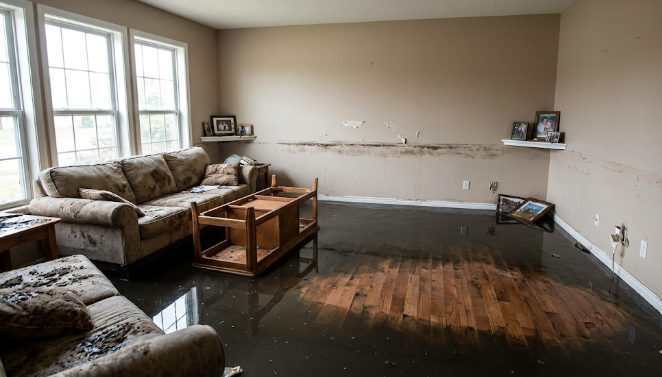
Table of Contents
Water damage and restoration is the full process of returning a property to its pre-loss condition after a flood, pipe burst, storm intrusion, or appliance failure. The process has several distinct stages; emergency assessment, water extraction, structural drying, cleaning and sanitization, mold prevention, repairs, and final reconstruction. In San Antonio and surrounding areas, the warm and humid climate makes rapid professional response essential. Mold can begin forming within 24 to 48 hours, and water left sitting even briefly inside walls or under flooring causes exponentially greater damage over time. This guide walks through every stage so you know exactly what to expect and why each step matters.
Understanding Water Damage and Restoration
A burst pipe. A flash flood following a Texas thunderstorm. An air conditioner unit that leaks quietly for weeks before anyone notices. Water damage announces itself in dramatically different ways, but what happens next always follows the same fundamental truth: the clock starts immediately.
Water does not wait politely while you figure out your next step. It moves into drywall, under flooring, through insulation, and into the structural framing of your home within hours. What could cost a few thousand dollars to address on day one can become a full reconstruction project if it sits unresolved for a week.
Water damage and restoration is the professional process of not just removing water but systematically returning a property to the condition it was in before the damage occurred. It is part science, part logistics, and entirely time-sensitive.
For San Antonio property owners, understanding this process is one of the most protective things you can do before disaster ever strikes.
The 3 Categories of Water Damage You Must Know
Not all water is the same, and the category of water involved in a damage event directly affects how the restoration team responds, what protective equipment they use, and which materials can be saved.
Category 1; Clean Water This water originates from a sanitary source, such as a broken supply line, a leaking faucet, or rainfall. It poses minimal contamination risk initially. However, if left sitting for more than 24 to 72 hours, clean water becomes Category 2 due to bacterial growth.
Category 2; Gray Water This water contains significant contamination and can cause illness upon contact or ingestion. Common sources include overflow from washing machines, dishwashers, and toilet bowls (without solid waste). Protective handling is required, and affected porous materials often need to be replaced.
Category 3; Black Water This is grossly contaminated water that poses serious health risks. It originates from sewage backups, river flooding, and standing water that has remained long enough to develop dangerous pathogens. Category 3 water requires full hazmat protocols, and any porous material it touched must be disposed of safely.
Understanding which category you are dealing with explains why your restoration team may respond differently to what looks like similar situations.
The Most Common Causes of Water Damage in Texas
Texas is not a gentle climate. San Antonio and the surrounding communities, including Universal City, Seguin, and New Braunfels, deal with a range of conditions that make water damage risk higher than in many other parts of the country.
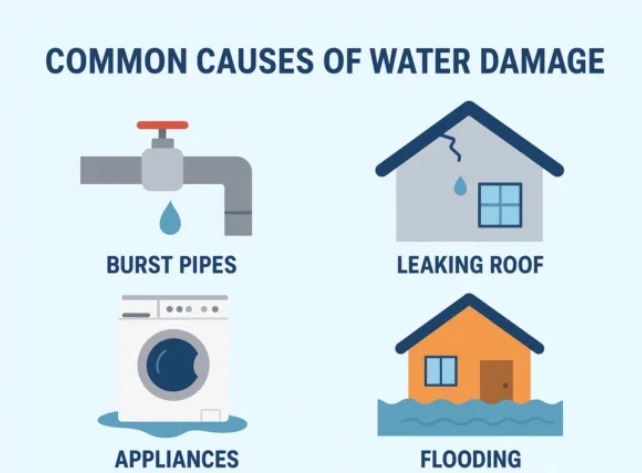
The most frequent causes of water damage and restoration calls in the region include:
Burst Pipes. Cold snaps in winter, though infrequent in South Texas, can cause sudden pipe failures. The 2021 winter storm was a vivid reminder of how vulnerable uninsulated pipes can be. Burst pipes account for the majority of residential water damage claims according to IICRC data.
Appliance Failures. Water heaters, washing machines, refrigerators with ice makers, and dishwashers all have water connections that can fail slowly or all at once. A slow leak behind a washing machine can go undetected for months, quietly soaking the wall behind it.
Roof Leaks. San Antonio’s storm season regularly produces heavy rain and hail that compromises roofing materials. Water that enters through a damaged roof can travel down wall cavities and appear as damage on a completely different floor of the home.
HVAC Condensation. Air conditioning systems in Texas work overtime during summer. Clogged condensate drain lines can overflow and send water directly into ceilings, attics, and wall cavities without making a sound.
Flash Flooding. The region’s geography makes it particularly susceptible to flash flooding. Floodwater carries the highest contamination levels, requires the most intensive restoration response, and creates the greatest mold risk.
If you have experienced any of these issues and want to explore your options for professional response, this water damage restoration services guide is a solid starting point.
Step 1; Emergency Assessment and Documentation
The first thing a qualified restoration team does is not remove water. It is assess.
A proper initial assessment uses moisture meters, thermal imaging cameras, and sometimes air quality testing to understand the full extent of the damage; not just what is visible, but what is hidden inside walls, above ceilings, and beneath floors.
This documentation phase is also critical for your insurance claim. Thorough photographs, moisture readings, and written damage reports give your insurance adjuster the evidence they need to approve appropriate coverage. Skipping this step or starting cleanup before documentation is one of the most common and costly mistakes property owners make.
Technicians also classify the water source and determine its contamination category during this phase. That classification drives every decision that follows, from what safety equipment is used to which materials can be salvaged.
For those navigating the claims process, this insurance claim assistance resource for San Antonio and surrounding areas offers practical guidance on what to expect.
Step 2; Water Extraction and Removal
Once assessment is complete, the focus shifts to getting water out of the property as fast as possible.
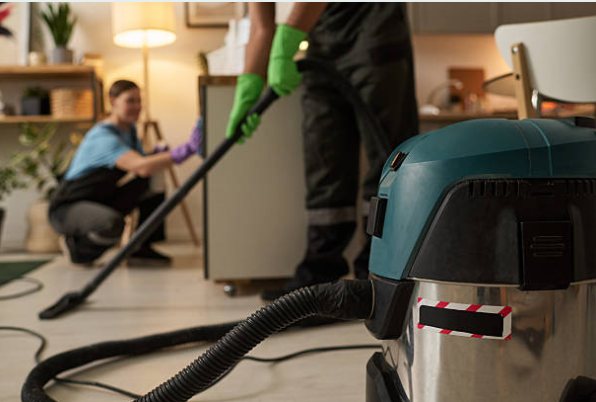
Professional restoration teams use truck-mounted extraction units powerful enough to remove thousands of gallons of water per hour. Industrial wet vacuums handle remaining surface water in more targeted areas. Every hour this step is delayed, water penetrates further into porous materials and the cost and complexity of restoration grows.
For clean water damage, the extraction phase is relatively straightforward. For Category 2 or 3 situations, technicians wear full personal protective equipment and follow strict protocols to prevent cross-contamination of unaffected areas.
Standing water, even an inch of it, creates serious electrical hazards. Professional teams always verify that power is safely shut off before entering flooded areas.
Need help locating a water damage and restoration team near you? Start with this water damage repair resource.
Step 3; Structural Drying and Dehumidification
Removing visible water is step one. The harder challenge is removing the water you cannot see.
Moisture trapped inside drywall, wood framing, subfloor materials, and insulation does not just evaporate on its own. Without industrial-grade drying equipment, it sits and creates the exact conditions mold needs to grow.
Professional structural drying involves strategically placing high-velocity air movers and industrial dehumidifiers throughout the affected space. These machines work together to accelerate evaporation from building materials and capture moisture from the air before it can resettle.
This process typically runs for several days, and moisture readings are monitored daily to track progress. The goal is to bring every affected material back to its standard dry baseline before any repairs begin.
In San Antonio’s humid climate, this step requires particularly careful management. Ambient outdoor humidity can slow the drying process and must be accounted for with the right equipment configuration.
Step 4; Cleaning, Sanitization, and Antimicrobial Treatment
Once structural materials are dry, every surface in the affected area must be thoroughly cleaned and sanitized.
This is especially critical in Category 2 and Category 3 water events where contamination from bacteria and other pathogens is present. Antimicrobial solutions are applied to all affected surfaces, and any items or materials that cannot be adequately cleaned are safely removed and disposed of.
Personal belongings, furniture, and contents are evaluated during this stage. Items salvageable through professional cleaning are treated accordingly. Irreplaceable items are documented carefully for insurance purposes.
For commercial properties including hotels, hospitals, and apartment complexes, this phase must also address shared systems like HVAC ductwork that may have been exposed to contaminated water or humidity.
Step 5; Mold Prevention and Remediation
This step is where many inexperienced restoration companies fall short, and where the difference between a temporary fix and a lasting solution becomes visible.
Mold spores are always present in indoor environments. They become a problem when moisture provides an environment for them to colonize. After any significant water damage and restoration event, the risk of mold growth is elevated and must be actively managed.
Professional teams apply EPA-approved antimicrobial treatments as part of the drying process to prevent mold from establishing. If mold is discovered during assessment or at any point in the restoration, certified remediation protocols are implemented immediately; containment, air filtration, removal of contaminated materials, and post-remediation verification.
The reality is that mold discovered after restoration is almost always the result of inadequate drying or delayed response. This is one of the strongest arguments for calling a professional restoration team within the first hours after water damage occurs rather than waiting to see how bad it gets.
Read more about how flood damage restoration connects to mold prevention in the broader context of property recovery.
Step 6; Repairs and Structural Restoration
With drying complete and the environment verified as clean and safe, the rebuilding phase begins.
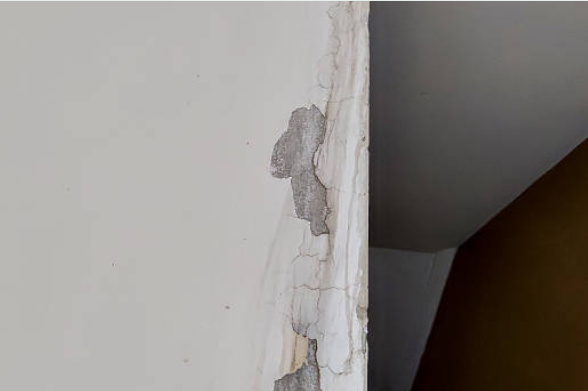
This stage can range from straightforward repairs; replacing sections of drywall, refinishing floors, repainting; to full reconstruction involving structural repairs, new framing, or complete room rebuilds depending on the severity of the damage.
Key repairs typically include:
- Replacing drywall sections that absorbed water beyond recovery
- Installing new flooring where originals warped, buckled, or were contaminated
- Repairing or replacing cabinets and vanities affected by prolonged moisture exposure
- Addressing any electrical, plumbing, or HVAC components that were damaged
- Matching existing finishes so the repaired areas blend seamlessly with the undamaged portions of the property
For properties in areas like Leon Valley, Kyle, or Hondo, reconstruction after severe water damage sometimes involves working with local permitting offices. A full-service restoration company manages that process on the client’s behalf.
See how Prime Time has handled fire and water damage restoration in Hondo and water damage restoration in Seguin to get a sense of what full-scale restoration looks like in practice.
Step 7; Final Inspection and Insurance Documentation
The last step in any professional water damage and restoration project is verification.
Technicians conduct a final inspection using the same moisture meters and thermal imaging tools used at the start. Every affected area must meet dry standard readings before the project is considered complete. Any lingering moisture missed at this stage becomes tomorrow’s mold problem.
Detailed final documentation is compiled for your insurance file. This includes the initial damage assessment, moisture log readings throughout the drying period, all materials removed and disposed of, a full scope of repairs completed, and post-restoration verification readings.
This documentation is not just bureaucratic paperwork. It is your protection against future disputes, your evidence for maximum insurance recovery, and your guarantee that the work was done to professional standards.
For guidance navigating the claims process in specific areas, Prime Time provides assistance across the region including Canyon Lake, Boerne, Fair Oaks Ranch, Dallas, and Houston.
How to Choose the Right Water Damage and Restoration Company

Not every restoration company is created equal. Here is what to look for when choosing a team you can trust with your property.
IICRC Certification. The Institute of Inspection, Cleaning and Restoration Certification is the industry’s most recognized credential. Certified technicians have undergone verified training in water damage, structural drying, and restoration best practices.
24/7 Availability with Rapid Response. Water damage does not observe business hours. A company that cannot respond quickly at night or on weekends is not equipped to serve you when it matters most.
Direct Insurance Billing. Dealing with an insurance claim on top of a water emergency is overwhelming. Look for a team that handles the documentation and billing process on your behalf.
Transparent Process and Communication. You should know what is happening in your property at every stage. A trustworthy company explains each phase clearly and keeps you informed throughout.
Local Reputation. Reviews from actual clients in your area tell you more than any marketing material. Look for consistent, detailed feedback about responsiveness, quality of work, and how the company handled complications.
Prime Time Restoration serves property owners across San Antonio, Austin, Boerne, Buda, Canyon Lake, Cibolo, Converse, Dallas, Fair Oaks Ranch, Hondo, Houston, Kyle, Live Oak, Leon Valley, New Braunfels, Schertz, Seguin, Selma, Spring Branch, Timberwood Park, and Universal City; with a 90-minute on-site response time and direct insurance billing as standard. See water damage restoration companies serving San Antonio for more details.
You can also follow along with the team’s work on LinkedIn for updates, insights, and industry education.
Conclusion
Water damage and restoration is not something most people think about until they are standing in a flooded room at two in the morning, wondering what to do next.
But those who understand the process ahead of time make better decisions under pressure. They call professionals sooner, they document properly from the start, and they do not gamble on DIY drying that leaves hidden moisture behind to fuel a mold problem weeks later.
The truth is this: every hour of delay in professional water damage response is not just an hour lost. It is a compounding of damage inside materials that cannot undo itself. The difference between a two-day extraction and drying job and a 90-day reconstruction project is almost always just the speed of the initial response.
Do not let water sit. Do not let time make the decision for you. The moment water damage happens in your property, the most powerful action you can take is to pick up the phone.
Your home deserves more than a mop and a prayer. Call Prime Time Restoration at 210-656-3469 and have a certified team at your door within 90 minutes.
Connect with Prime Time Restoration:
Follow along on Instagram and Facebook for real project updates across San Antonio and South Texas.
Prime Time Restoration 11495 Topperwein Road, San Antonio, TX 78233 Contact us here