Fire Damage Restoration in San Marcos: Your Complete Recovery Guide After a Devastating Fire
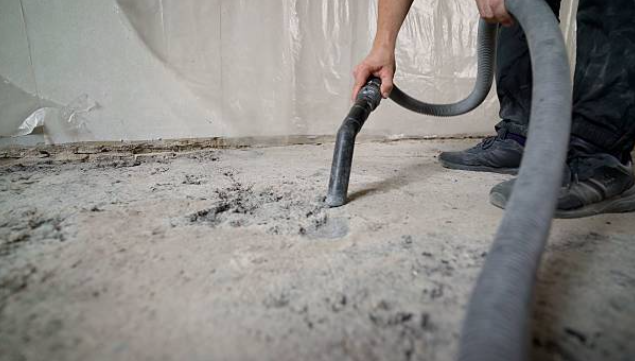
Table of Contents
Fire damage restoration in San Marcos involves a systematic seven-step process that includes emergency contact (available 24/7 with 90-minute response), comprehensive damage assessment, water extraction and drying, smoke and soot removal, cleaning and sanitization, structural repairs, and final restoration. Professional restoration companies in San Marcos handle everything from initial emergency response through complete reconstruction, working directly with insurance companies to streamline claims while using advanced equipment and EPA-approved techniques to restore properties to pre-loss condition. The entire process typically takes 2-8 weeks depending on damage severity, with immediate action being critical to prevent secondary damage and reduce overall restoration costs.
When flames tear through your San Marcos property, the aftermath can feel overwhelming. The acrid smell of smoke lingers in every corner, soot coats your walls, and water from firefighting efforts seeps into floors and furniture. You’re left wondering where to even begin. But here’s what most property owners don’t realize: the actions you take in the first 48 hours after a fire can mean the difference between salvaging your property and facing irreparable loss.
Fire damage restoration in San Marcos isn’t just about cleaning up; it’s about employing strategic, time-sensitive interventions that protect your investment and restore your peace of mind. Whether you’re dealing with a small kitchen fire or extensive structural damage, understanding the restoration process empowers you to make informed decisions during one of life’s most challenging moments.
Understanding Fire Damage and Why Immediate Action Matters
Fire damage extends far beyond what flames directly touch. When a fire occurs in your San Marcos home or business, you’re actually dealing with three types of damage simultaneously: fire damage, smoke damage, and water damage from firefighting efforts.
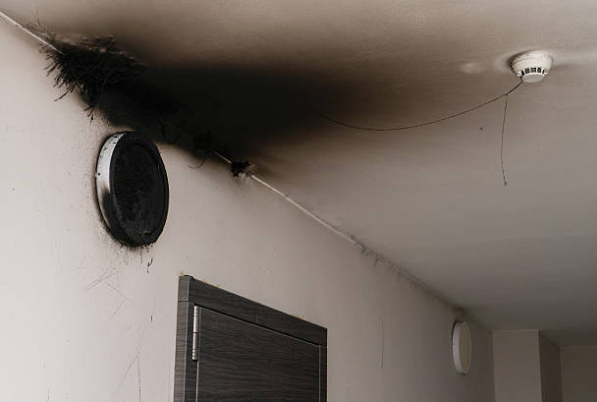
The fire itself causes obvious destruction through burning and intense heat, but smoke damage can be equally devastating. Smoke particles are microscopic and acidic, penetrating porous materials like drywall, upholstery, and clothing. Within hours, these particles begin causing permanent discoloration and corrosion to metals, wood finishes, and other surfaces.
Water damage from fire hoses and sprinkler systems adds another layer of complexity. This water carries ash and soot deeper into building materials, creating conditions perfect for mold growth within 24-48 hours. In San Marcos’s humid climate, this timeline accelerates even faster.
Time sensitivity cannot be overstated in fire damage restoration in San Marcos. Every hour of delay increases restoration costs and decreases the likelihood of salvaging personal belongings. Acidic soot continues etching into surfaces, metals continue corroding, and moisture continues spreading throughout the structure.
Professional restoration companies understand these cascading effects and respond accordingly. Their expertise in managing all three damage types simultaneously prevents the exponential increase in destruction that occurs when fire damage goes untreated.
The First Critical Steps After a Fire Emergency
The moments immediately following a fire are chaotic and emotionally charged. However, taking the right steps can significantly impact your recovery outcome.
First and foremost, ensure everyone’s safety. Only re-enter the property after fire officials declare it safe. Even after flames are extinguished, structural instability and toxic fumes pose serious risks.
Once cleared for entry, document everything. Take photographs and videos of all damaged areas from multiple angles. This documentation proves invaluable for insurance claims and helps restoration professionals assess the scope of work needed.
Contact your insurance company immediately to report the fire. Most policies require prompt notification, and delays can complicate claims. Ask about emergency mitigation coverage; most policies cover immediate steps to prevent further damage.
Simultaneously, contact a professional fire damage restoration in San Marcos company. Emergency response services operating 24/7 can arrive within 90 minutes to begin mitigation. This rapid response prevents secondary damage and starts the recovery clock immediately.
Avoid cleaning anything yourself before professionals arrive. Well-intentioned cleaning attempts often spread soot deeper into materials or use inappropriate methods that cause permanent damage. Professional restorers have specialized equipment and techniques that civilian cleaning methods cannot replicate.
Secure the property against weather, theft, and animal intrusion. Many restoration companies provide emergency board-up services to protect your property during the restoration process. Prime Time Restoration offers comprehensive emergency services throughout the San Marcos area, ensuring your property receives protection within hours of disaster.
Comprehensive Damage Assessment and Documentation
Professional fire damage restoration in San Marcos begins with a thorough assessment that goes far beyond surface observations. Trained technicians use advanced technology to identify all damage, including hidden issues that untrained eyes would miss.
Thermal imaging cameras detect heat signatures indicating smoldering materials within walls or attics. Even small, hidden embers can reignite hours or days after firefighters leave, making this technology potentially life-saving.
Moisture meters measure water content throughout the structure. These readings establish baselines for the drying process and identify areas requiring immediate attention to prevent mold growth.
Air quality testing identifies toxic particles and determines when the environment becomes safe for occupancy. Smoke contains thousands of chemical compounds, many highly toxic, that linger in air and materials long after visible smoke dissipates.
The assessment includes detailed categorization of all contents. Items are classified as salvageable, questionable, or unsalvageable. This inventory becomes crucial for insurance claims and helps property owners understand what can be saved through specialized restoration techniques.
Structural evaluation identifies compromised building components. Fire weakens wood framing, concrete, and steel in ways not immediately visible. Professional engineers or contractors assess whether structural elements require reinforcement or replacement.
This comprehensive documentation creates a detailed restoration plan with timelines and cost estimates. Property owners receive clear expectations about the restoration process, helping them make informed decisions about their property’s future.
Similar assessment protocols are followed for fire damage restoration in Leon Valley and surrounding communities, ensuring consistent, thorough evaluation regardless of location.
Water Extraction and Structural Drying Techniques
Water damage from firefighting efforts often exceeds the damage from fire itself. Addressing this water immediately prevents exponential increases in restoration costs and prevents permanent damage to structural components.
Professional water extraction begins within hours of the fire. Industrial-grade extractors remove standing water from floors, carpets, and other surfaces. The speed of this extraction directly correlates with salvageability; materials saturated for extended periods rarely recover fully.
After extraction, the drying process begins. This isn’t simply opening windows and hoping for the best; it’s a scientifically controlled process using commercial dehumidifiers and air movers strategically placed throughout the structure.
Dehumidifiers remove moisture from the air, reducing humidity levels that promote mold growth and material degradation. These industrial units process hundreds of gallons of water per day, far exceeding residential dehumidifiers’ capacity.
Air movers create airflow across wet surfaces, accelerating evaporation. Proper placement follows principles of psychrometrics (the science of air and moisture interaction) to maximize efficiency and prevent moisture migration to undamaged areas.
Drying progress is monitored daily using moisture meters. Technicians adjust equipment placement and settings based on these readings, ensuring thorough drying without over-drying, which can damage certain materials.
Specialized drying techniques address specific materials. Hardwood floors may require weight and specialized drying mats to prevent cupping and buckling. Wall cavities might need injection drying systems to remove moisture from inside walls without demolition.
This process typically takes 3-7 days but varies based on damage extent, building materials, and environmental conditions. The same meticulous approach used in water damage restoration companies in San Antonio applies throughout the San Marcos region.

Smoke Odor and Soot Removal Process
Smoke odor is perhaps the most persistent reminder of fire damage. Unlike temporary odors that dissipate with airing out, smoke odor molecules bond chemically with surfaces and penetrate deeply into porous materials.
Effective smoke odor removal requires understanding smoke chemistry. Different materials produce different types of smoke when burned. Protein fires (cooking fires) produce nearly invisible residue with pungent odors. Synthetic materials create thick, sticky residue that spreads widely and smells acrid. Wood fires produce dry, powdery soot. Each requires specific treatment approaches.
Soot removal begins with HEPA vacuuming to capture loose particles without spreading them. Standard vacuums recirculate fine particles back into the air, so specialized equipment is essential.
Dry cleaning methods treat soot on delicate surfaces like window blinds, lamp shades, and electronics. Chemical sponges lift soot without water, preventing the smearing that occurs with wet cleaning.
Wet cleaning follows for appropriate surfaces. Professional-grade detergents specifically formulated for soot removal clean walls, ceilings, and washable contents. The cleaning sequence moves from ceiling to floor, preventing re-contamination of cleaned areas.
Abrasive cleaning techniques address stubborn residues. These might include soda blasting (similar to sandblasting but gentler) for brick or concrete surfaces, or hand scrubbing with specialized abrasives for textured surfaces.
Odor elimination requires more than cleaning surfaces. Thermal fogging introduces a deodorizing fog that penetrates everywhere smoke traveled, neutralizing odor molecules. Ozone treatment uses ozone gas to break down odor molecules chemically. Hydroxyl generators produce hydroxyl radicals that destroy odor-causing compounds without requiring property evacuation.
HVAC systems require complete cleaning and sanitization. Smoke particles circulate through ductwork, settling throughout the system. Operating contaminated HVAC systems redistributes smoke smell throughout the property, undoing all other cleaning efforts.
The same comprehensive smoke removal techniques employed in fire damage restoration in Boerne ensure complete odor elimination throughout all service areas.
Cleaning, Sanitization, and Content Restoration
Fire damage restoration in San Marcos extends beyond structural elements to include personal belongings, furniture, and business contents. Professional restoration companies employ specialized techniques to salvage items that might appear unsalvageable.
Contents are categorized based on contamination levels and material types. Porous materials like upholstered furniture and mattresses absorb smoke deeply and may require disposal if contamination is severe. Non-porous items like dishes, tools, and hard-surface furniture typically clean successfully.
Ultrasonic cleaning uses high-frequency sound waves creating millions of tiny bubbles in cleaning solution. These bubbles reach into crevices and intricate details impossible to clean manually, making it perfect for jewelry, figurines, and detailed decorative items.
Ozone chambers treat soft goods like clothing, curtains, and bedding. Items remain in sealed chambers while ozone penetrates fabric fibers, neutralizing odors without harsh chemicals that might damage delicate materials.
Electronics require specialized cleaning because soot conducts electricity and causes short circuits. Professional electronics restoration includes disassembly, component-by-component cleaning with specialized solutions, and testing before returning items to service.
Document and photograph restoration uses freeze-drying for water-damaged paper and specialized chemical treatments to remove soot without destroying ink or images. Many items with sentimental value can be restored even when heavily damaged.
Pack-out services transport contents to climate-controlled facilities for cleaning and storage during structural restoration. This protects items from construction dust and further damage while maximizing available workspace for contractors.
Detailed inventories track every item through the cleaning process. Items are photographed before and after restoration, providing documentation for insurance purposes and ensuring nothing is lost or misplaced.
Similar content restoration services are available through water damage restoration in Seguin, Texas, providing comprehensive solutions throughout the region.
Structural Repairs and Complete Reconstruction
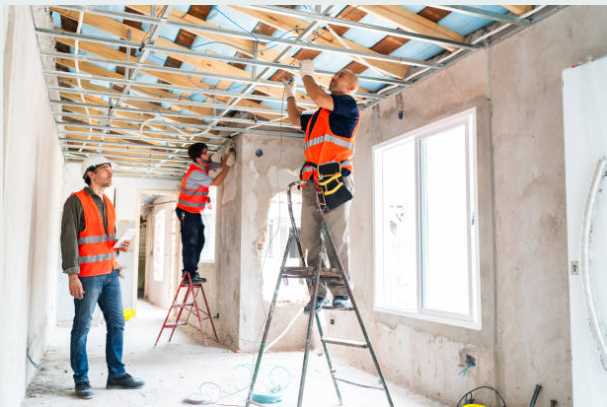
After mitigation and cleaning, structural restoration returns the property to pre-loss condition or better. This phase transforms a damaged structure back into a functional, safe space.
Demolition of damaged materials comes first. Drywall with extensive smoke damage, burned framing members, and compromised structural components are removed. This selective demolition targets only damaged areas, preserving undamaged portions to control costs.
Structural repairs address compromised building elements. Fire-weakened beams may require sistering (attaching reinforcement alongside original members) or complete replacement. Roof structures, floor joists, and support columns receive particular attention because their failure could cause catastrophic problems.
Electrical systems often require complete replacement in affected areas. Heat damages wiring insulation, creating fire hazards even in circuits that appear functional. Licensed electricians ensure all electrical work meets current code requirements, often upgrading systems beyond original specifications.
Plumbing systems damaged by heat or falling debris are repaired or replaced. This includes visible pipes and hidden supply lines or drain pipes within walls and floors.
HVAC systems may need replacement if heat damaged components or if smoke contamination is unrepairable. New installations often incorporate improved efficiency and modern technology, turning disaster into opportunity for upgrades.
Drywall installation, taping, and texturing return walls and ceilings to smooth, paintable surfaces. Matching existing textures requires skill and experience; professional restorers achieve seamless integration between new and existing areas.
Flooring installation addresses both structural subflooring and finished surfaces. Options range from replacing damaged sections to upgrading entire spaces with new materials chosen by property owners.
Painting and finishing touches complete the transformation. Multiple coats of primer and paint ensure coverage and color matching. Trim work, door and window installation, and other finishing details return the property to move-in condition.
Final inspections verify all work meets building codes and safety standards. Many jurisdictions require permits and inspections for fire restoration work, which professional companies handle as part of their service.
The reconstruction services provided for fire damage restoration in Hondo demonstrate the complete rebuild capabilities available throughout the Prime Time service area.
Working With Insurance Companies for Fire Claims
Navigating insurance claims adds complexity to an already stressful situation. Understanding the process and working with experienced professionals simplifies this challenge significantly.
Insurance policies vary widely in coverage, exclusions, and requirements. Review your policy carefully, paying particular attention to coverage limits, deductibles, and claim filing deadlines. Most policies include actual cash value or replacement cost coverage, which determines how much you’ll receive for damaged items.
Document everything meticulously. Insurance companies require proof of loss, which includes photographs, videos, receipts, and detailed inventories. The more documentation you provide, the smoother your claim progresses.
Professional restoration companies provide detailed estimates breaking down every aspect of restoration work. These estimates use industry-standard pricing software that insurance companies recognize and accept, reducing disputes over repair costs.
Many restoration companies offer direct insurance billing, eliminating out-of-pocket expenses beyond your deductible. This arrangement simplifies the financial aspects of restoration, allowing you to focus on recovery rather than payment logistics.
Insurance adjusters inspect damage and determine coverage. Having restoration professionals present during this inspection ensures nothing is overlooked and that the adjuster understands the full scope of required work.
Claim disputes sometimes arise. Restoration companies experienced in fire damage restoration in San Marcos understand insurance processes and can advocate for property owners, providing additional documentation or expert opinions to support claims.
Keep detailed records of all communications with your insurance company. Note dates, times, names of representatives, and conversation summaries. This documentation proves invaluable if disputes arise or if you need to escalate issues.
Additional living expenses coverage pays for temporary housing during restoration. If your property is uninhabitable, file for this coverage immediately; don’t wait until restoration is complete.
The same insurance assistance provided for water damage restoration services in Universal City, TX ensures property owners throughout the region receive expert support navigating complex insurance processes.

Preventing Secondary Damage During Restoration
Secondary damage; problems that develop after the initial fire; often exceeds original fire damage if not properly addressed. Understanding and preventing these issues is crucial for successful restoration.
Mold growth represents the most common secondary damage. Fire hoses introduce enormous water quantities, creating ideal mold growth conditions. In San Marcos’s climate, mold can begin growing within 24-48 hours. Rapid water extraction and thorough drying prevent this costly problem.
Continued corrosion from acidic soot damages metals, electronics, and other materials increasingly over time. Prompt cleaning halts this progressive damage, but delays of even days can render items unsalvageable.
Structural instability can worsen during restoration. Fire-weakened structures may collapse if not properly shored during repair work. Professional contractors understand these risks and implement appropriate safety measures.
Vandalism and theft threaten unsecured properties. Board-up services and security measures protect your property and belongings during the restoration process, which may extend for weeks or months.
Weather exposure causes additional damage to properties with compromised roofs, windows, or walls. Tarping and temporary weather protection prevent rain, wind, and temperature extremes from expanding damage.
Cross-contamination spreads smoke damage to undamaged areas if not properly contained. Professional restorers establish containment barriers and use negative air pressure to prevent soot migration during cleaning and demolition.
Pest intrusion occurs through fire-created openings in the building envelope. Rodents, insects, and other pests cause damage and create health hazards. Sealing entry points prevents these problems.
Frozen pipes can burst in properties with compromised heating systems during winter months. Monitoring and maintaining appropriate temperatures prevents this water damage on top of existing fire damage.
The same vigilance against secondary damage employed in fire damage restoration in Kyle protects properties throughout the service area from preventable complications.
Choosing the Right Fire Restoration Company in San Marcos
Selecting a restoration company is one of the most important decisions you’ll make after a fire. The right company makes recovery smooth and thorough; the wrong choice leads to frustration, delays, and inadequate restoration.
Certifications and training demonstrate company commitment to professional standards. Look for IICRC (Institute of Inspection, Cleaning and Restoration Certification) certification, which requires extensive training and adherence to industry best practices.
Experience specifically with fire damage matters. Water damage restoration, mold remediation, and fire restoration each require specialized knowledge and equipment. Companies with extensive fire restoration experience understand the unique challenges and effective solutions.
Response time determines mitigation success. Companies offering 24/7 emergency services with rapid response times (90 minutes or less) prevent secondary damage and begin recovery immediately.
Insurance experience smooths the claims process. Companies that regularly work with insurance companies understand documentation requirements, estimating procedures, and dispute resolution, making your claim process simpler and more successful.
Equipment and resources determine restoration capabilities. Companies with extensive equipment inventories, trained staff, and established vendor relationships complete work faster and more thoroughly than those relying on limited resources.
Local presence matters. Companies based in San Marcos or serving the area regularly understand local building codes, have relationships with local suppliers and contractors, and can respond quickly to your needs.
References and reviews provide insight into customer experiences. Check online reviews, ask for references, and contact previous clients to learn about their experiences with the company.
Comprehensive services eliminate the need to coordinate multiple contractors. Companies offering everything from emergency response through final reconstruction simplify the process significantly.
Guarantees and warranties demonstrate company confidence in their work. Reputable companies stand behind their services with written guarantees.
Communication and customer service impact your experience significantly. Companies that keep you informed, answer questions promptly, and treat you with respect make a traumatic experience more manageable.
Prime Time Restoration exemplifies these qualities, serving San Marcos, Austin, Boerne, Buda, Canyon Lake, Cibolo, Converse, Dallas, Fair Oaks Ranch, Houston, Kyle, Live Oak, Leon Valley, New Braunfels, San Antonio, Schertz, Seguin, Selma, Spring Branch, Timberwood Park, and Universal City with comprehensive fire damage restoration services. Their 24/7 availability, 90-minute response time, and extensive experience serving hotels and hospitality, multifamily units, apartment complexes, and hospitals make them a trusted choice throughout the region.
Additional services including water and flood restoration, environmental hazard remediation, commercial mold remediation, storm damage restoration, and reconstruction services provide complete solutions for any disaster scenario. Their insurance assistance program simplifies the claims process, allowing property owners to focus on recovery rather than paperwork.
For immediate assistance with fire damage restoration in San Marcos, contact Prime Time Restoration at 210-656-3469 or customerservice@ptr247.com. Their San Antonio office at 11495 Topperwein Road, San Antonio, TX 78233 serves as the hub for regional operations throughout Central Texas.

Conclusion
Fire damage restoration in San Marcos requires expertise, speed, and comprehensive understanding of the complex challenges fire creates. From the first moments after flames are extinguished through final reconstruction, every decision impacts recovery outcomes.
Professional restoration companies transform devastation into renewal, using advanced technology, proven techniques, and years of experience to restore properties and lives. The seven essential strategies outlined in this guide; immediate emergency response, thorough assessment, water extraction and drying, smoke and soot removal, content restoration, structural repairs, and expert insurance navigation; form the foundation of successful fire recovery.
Don’t let fire damage rob you of your property’s future. The right restoration partner turns disaster into opportunity, often improving properties beyond their original condition through updated systems and modern materials.
Have you experienced fire damage recently? What concerns you most about the restoration process? Share your thoughts in the comments below, or reach out to restoration professionals who can provide personalized guidance for your specific situation.
Connect with Prime Time Restoration on social media for recovery tips, disaster preparedness information, and community resources:
For additional resources on fire damage recovery, explore articles about air duct cleaning in San Antonio and read testimonials from satisfied customers who have experienced successful restoration firsthand.