Mold Remediation 101: 7 Critical Signs, Hidden Risks, and When to Finally Call a Professional
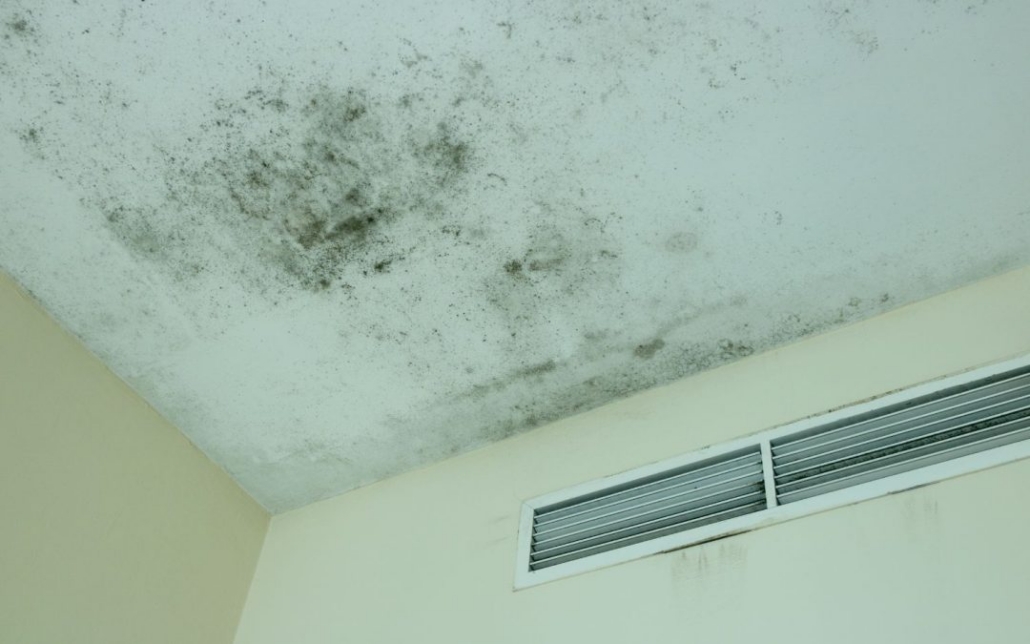
Table of Contents
Mold remediation is the professional process of identifying, containing, removing, and preventing mold growth inside a home or building. If you spot discolored patches on walls, notice a persistent musty smell, or experience unexplained respiratory symptoms, mold may already be growing in your property. In San Antonio’s warm, humid climate, mold can begin forming within 24 to 48 hours after water exposure. The EPA recommends hiring a certified professional whenever visible mold covers an area larger than 10 square feet. This guide explains exactly what to look for, why it matters, and when to stop trying to handle it yourself.
What Is Mold Remediation?
Most people hear the word “mold” and think of a simple cleaning job. Grab some bleach, scrub it off, and you’re done. But that thinking is exactly what lets mold win.
Mold remediation is different from mold removal. Removal just addresses what you can see on the surface. Remediation goes deeper; it targets the root cause of the mold, contains it so spores do not spread, removes contaminated materials safely, and restores the affected area to a healthy condition.
According to the EPA, mold cannot be fully eliminated from an indoor environment because spores are naturally present in the air. What professionals do is bring mold levels back down to safe, naturally occurring concentrations and fix the moisture problem that caused the outbreak in the first place.
Without fixing that moisture problem, mold will always come back. That is the most important truth behind professional mold remediation.
Why San Antonio Homes Are Especially Vulnerable
Living in San Antonio means dealing with one of the most mold-friendly climates in the country. The combination of intense summer heat, high humidity, and a region historically prone to heavy rainfall creates near-perfect conditions for mold to thrive indoors.
San Antonio and the surrounding areas including New Braunfels, Schertz, and Cibolo have experienced repeated flooding events over the decades, often leaving properties with hidden moisture that homeowners never fully addressed. When water gets into walls, under flooring, or above ceilings and is not properly dried within 24 to 48 hours, mold begins to colonize.
Hotels, apartment complexes, multi-family units, and hospitals face elevated risk because their plumbing infrastructure is more complex and leaks can go undetected across multiple units for extended periods.
7 Warning Signs You Need Mold Remediation
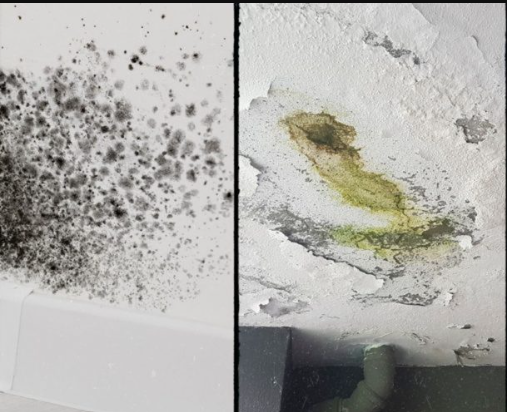
This is where most homeowners get stuck. Mold is not always visible, and when it is, it is often mistaken for everyday dirt or staining. Here are the seven signs you should never dismiss.
1. Visible Discoloration on Walls, Ceilings, or Floors
Mold shows up in more colors than most people expect; black, green, white, gray, even orange. If you notice unusual staining or fuzzy patches on any surface in your home, especially in bathrooms, basements, or near windows, treat it seriously. Any patch larger than 10 square feet is a clear indicator that professional mold remediation is needed immediately.
2. A Persistent Musty or Earthy Odor
If a room in your home constantly smells damp, stale, or earthy even after cleaning, that odor is being produced by mold releasing gases as it grows. The strength of the smell often reflects how extensive the problem is. Many serious mold infestations are discovered through smell alone, long before they become visible.
3. Allergy Symptoms That Improve When You Leave Home
Pay attention to your body. If you experience sneezing, runny nose, itchy eyes, skin irritation, or respiratory discomfort at home but those symptoms ease up when you are away, mold exposure may be the reason. This pattern is especially significant for children, the elderly, and anyone with asthma or a compromised immune system.
4. Bubbling, Cracking, or Peeling Paint
Paint that bubbles or peels without an obvious cause is usually telling you that moisture is trapped beneath the surface. That moisture creates the perfect hidden environment for mold to grow behind your walls without ever being visible to you.
5. Recent Water Damage That Was Not Professionally Dried
One of the most common causes of mold growth is water damage that was cleaned up on the surface but not properly dried at a structural level. If your home experienced flooding, a burst pipe, or an appliance leak in the past and you handled the cleanup yourself, there is a real possibility that moisture remained trapped in materials like drywall, insulation, or subflooring.
Learn more about the risks of skipping professional water damage response in this emergency water damage restoration guide.
6. Condensation on Windows, Walls, or HVAC Vents
Regular condensation buildup is a sign that your indoor humidity is too high. When warm, humid air meets a cooler surface, water forms and slowly collects in hidden areas like behind baseboards or inside wall cavities. Over time, this becomes a breeding ground for mold.
7. Warped Floors or Sagging Ceilings
Structural materials that absorb moisture will eventually warp, sag, or buckle. If your hardwood floors are cupping upward or your ceiling shows soft spots, these are signs that water has been sitting in those materials long enough to cause serious damage, and almost certainly long enough for mold to begin growing.
The Health Risks of Ignoring Mold
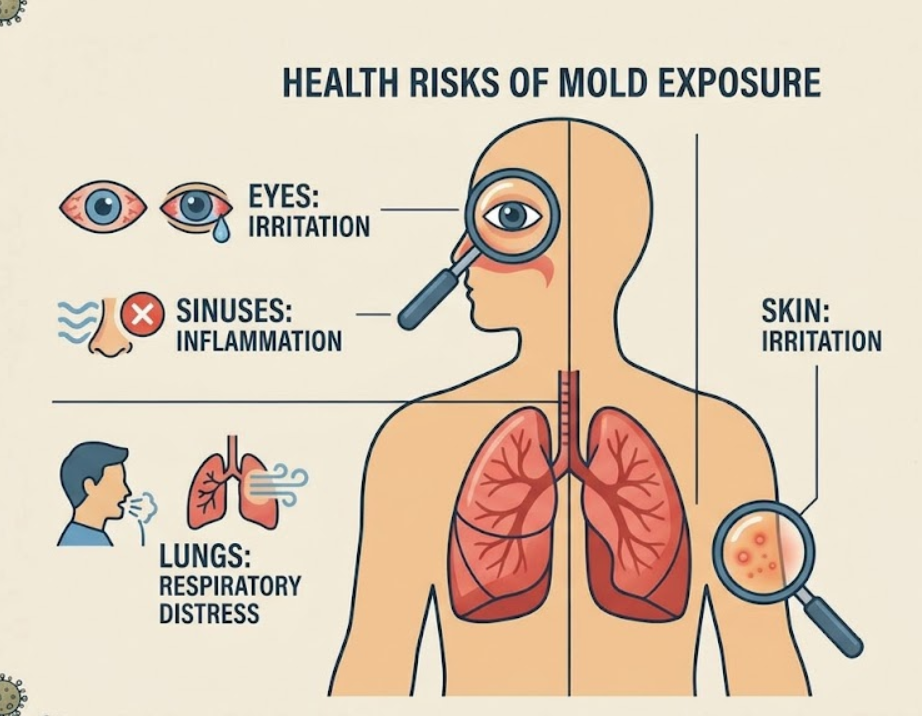
Mold is not just an aesthetic problem. It is a health risk that compounds over time the longer it is left unaddressed.
The most well-documented health effects of mold exposure include respiratory issues such as coughing, wheezing, and shortness of breath; allergic reactions including skin rashes and red eyes; sinus infections; and in more severe cases, chronic inflammation of the lungs.
According to the CDC, common indoor molds include Aspergillus, Cladosporium, and Penicillium. Of the known toxic molds, Stachybotrys chartarum (commonly called black mold) receives the most attention because of its connection to serious respiratory complications, particularly in infants and immunocompromised individuals.
Harvard Medical School researchers have noted that chronic mold exposure is associated with elevated levels of C-reactive protein in the body, which is a marker of systemic inflammation. In short, living in a mold-affected home is not a minor inconvenience. It is a slow-building health threat.
People most at risk include:
- Children under 12
- Adults over 65
- Anyone with asthma, allergies, or chronic lung disease
- Immunocompromised individuals; including cancer patients and those on certain medications
- Residents of hotels, apartment complexes, and hospitals where ventilation may be shared
DIY vs. Professional Mold Remediation; Which Is Right?
Here is the honest truth that most homeowners need to hear: for small, isolated surface mold in low-humidity areas, like a tiny patch on a bathroom tile, careful DIY cleaning with the appropriate products can be adequate.
But the moment any of the following apply, DIY is no longer the right call:
- The mold covers more than 10 square feet
- The mold is located inside walls, under flooring, in HVAC systems, or in your attic
- You or anyone in your household has health symptoms you suspect are mold-related
- The mold appeared following water damage
- The mold has returned after previous cleaning attempts
Using bleach on mold growing in porous materials like drywall or wood does not kill the mold at its roots. It can bleach the surface appearance while leaving active spores alive beneath it. Worse, disturbing mold without proper containment can release thousands of spores into your air, spreading the problem to other areas of your home.
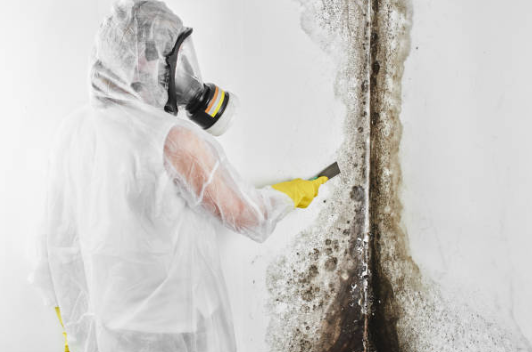
Professional mold remediation technicians use containment barriers, negative air pressure systems, HEPA-filtered air scrubbers, and EPA-approved antimicrobial treatments. These methods actually fix the problem rather than temporarily masking it.
What the Professional Mold Remediation Process Looks Like
Understanding the process helps you know what to expect when professionals arrive. Here is how a qualified mold remediation team approaches the job.
Step 1; Inspection and Assessment
Certified technicians begin with a thorough inspection using moisture meters, thermal imaging cameras, and in some cases air sampling. This stage identifies where the mold is, how far it has spread, and what moisture source is feeding it.
Step 2; Containment
Affected areas are sealed off with physical barriers and placed under negative air pressure to prevent spores from traveling to other parts of the home during the removal process.
Step 3; Air Filtration
HEPA air scrubbers run continuously throughout remediation, pulling airborne mold spores out of the environment so that technicians and future occupants are not exposed.
Step 4; Removal of Contaminated Materials
Porous materials that cannot be adequately cleaned, including certain types of drywall, carpet, and insulation, are safely removed and disposed of according to EPA guidelines.
Step 5; Cleaning and Antimicrobial Treatment
All remaining surfaces in the affected zone are cleaned using specialized solutions and treated with antimicrobial agents that eliminate existing spores and create barriers against regrowth.
Step 6; Drying and Dehumidification
Industrial dehumidifiers and air movers are used to eliminate residual moisture from structural materials. This step is non-negotiable; without it, mold will return.
Step 7; Post-Remediation Verification
After the work is done, a final inspection confirms that mold levels have returned to acceptable ranges. This verification is essential for insurance documentation and peace of mind.
Curious how this process ties into a broader restoration project? Read the residential water damage restoration complete guide for a fuller picture.
How to Prevent Mold From Coming Back
Mold remediation addresses the current problem. Mold prevention is what keeps it from returning. The most impactful things you can do are:
Control indoor humidity. The CDC recommends keeping indoor relative humidity below 50%. Use dehumidifiers in basements, bathrooms, and any room prone to moisture buildup.
Fix leaks immediately. Any plumbing leak, roof leak, or window seal failure should be repaired as quickly as possible. The 24 to 48 hour window before mold begins to grow is very short.
Ventilate properly. Bathrooms, kitchens, laundry rooms, and attics need adequate ventilation. Make sure exhaust fans actually vent to the exterior of the home and not just into wall cavities.
Inspect HVAC systems regularly. Your air conditioning and duct system can harbor mold spores and circulate them throughout the entire property without any visible signs. Regular maintenance and cleaning is important. See this air duct cleaning guide for San Antonio, TX for what to look for.
Address water damage professionally. If you experience flooding or a significant leak, invest in professional drying. It is significantly less expensive than mold remediation after the fact.
Who Needs Professional Mold Remediation Most?
While any property can develop a mold problem, some environments carry a heightened responsibility to act quickly.
Hotels and Hospitality Properties host hundreds of guests who have no visibility into the condition of walls, HVAC systems, or bathroom infrastructure. A mold problem in a hotel room is both a health liability and a reputational risk.
Multi-Family Units and Apartment Complexes face the challenge of shared walls, shared plumbing, and the reality that a leak in one unit often affects adjacent units. Management companies that respond quickly to reported leaks dramatically reduce the likelihood of building-wide mold issues.
Hospitals and Medical Facilities operate in environments where immunocompromised patients cannot tolerate any additional health exposure. Mold in a medical facility is not a maintenance inconvenience; it is a patient safety emergency.
If your property falls into any of these categories, establishing a relationship with a certified mold remediation team before a problem occurs is genuinely the smartest investment you can make.
Check out what Prime Time clients are saying about how the team has responded to urgent mold and water situations across San Antonio and surrounding areas.
Conclusion
Mold is one of those problems that rewards people who act early and punishes those who wait. The signs are often subtle at first; a faint smell here, some discoloration there. But underneath what you can see, a mold colony can be expanding rapidly through your walls, your insulation, and your air supply.
The health risks are real. The structural costs of delayed action are significant. And the good news is that professional mold remediation, done correctly, actually solves the problem rather than just covering it up.
So here is the question worth sitting with: if your home has experienced a water leak, flooding, or unexplained odors in the past year, when was the last time someone with proper equipment actually checked for hidden mold?
Connect with Prime Time Restoration:
Follow their work on Instagram and Facebook to see real restoration projects from across the San Antonio region.
Prime Time Restoration 11495 Topperwein Road, San Antonio, TX 78233 Contact the team here
Serving: Austin, Boerne, Buda, Canyon Lake, Cibolo, Converse, Dallas, Fair Oaks Ranch, Hondo, Houston, Kyle, Live Oak, Leon Valley, New Braunfels, San Antonio, San Marcos, Schertz, Seguin, Selma, Spring Branch, Timberwood Park, Universal City