9 Powerful Fire Damage Restoration in Timberwood Park Strategies for Complete Recovery

Table of Contents
Fire damage restoration in Timberwood Park requires specialized expertise to handle smoke contamination, structural repairs, water damage from firefighting, and complete property reconstruction. This guide provides comprehensive information on the restoration process, emergency response protocols, advanced cleaning techniques, and insurance navigation to help Timberwood Park property owners recover from fire disasters affecting residential homes, multifamily properties, hospitality venues, and commercial buildings.
Fire devastation leaves Timberwood Park property owners facing overwhelming challenges that extend far beyond visible destruction. The picturesque community north of San Antonio, known for its natural beauty and family-friendly atmosphere, experiences unique fire damage complications due to its tree-lined properties and diverse architectural styles. Understanding comprehensive fire damage restoration in Timberwood Park solutions empowers property owners to make informed decisions during crisis situations.
The restoration journey following a fire involves multiple specialized disciplines working in coordination to return properties to safe, functional condition. From immediate emergency response through final reconstruction completion, each phase requires specific expertise and proper sequencing to achieve optimal results. This detailed guide explores nine essential strategies that professional restoration companies employ to help Timberwood Park residents and business owners recover completely.
Emergency Response and Property Stabilization
The critical hours immediately following a fire determine the trajectory of your entire restoration experience. Timberwood Park’s location near the TPC San Antonio golf course and extensive natural areas means fire damage can occur from various sources including cooking accidents, electrical malfunctions, lightning strikes, and wildfire encroachment during dry seasons. Rapid response minimizes secondary damage while protecting property from further deterioration.
Professional fire damage restoration in Timberwood Park services provide 24/7 emergency response capabilities, arriving within 90 minutes of your call. This immediate presence prevents additional damage from weather exposure, vandalism, and ongoing deterioration. The first responders secure your property through emergency board-up services, temporary fencing installation, and roof tarping when needed.
Property stabilization begins with comprehensive safety assessments verifying structural integrity before allowing entry. Fire compromises building components in ways not immediately apparent, creating collapse risks even in structures appearing superficially intact. Certified structural engineers evaluate load-bearing elements, identifying dangerous conditions requiring temporary support systems before restoration work begins.
Utility disconnection protects workers and prevents additional damage from compromised systems. Damaged gas lines create explosion risks, while compromised electrical systems pose electrocution and fire reignition dangers. Professional restoration companies coordinate with utility providers to safely disconnect services until permanent repairs restore safe operation.
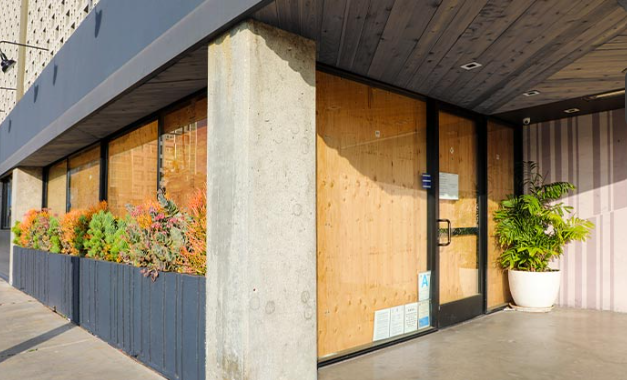
Debris containment prevents contaminated materials from spreading throughout your property. Fire residue contains toxic compounds that shouldn’t migrate to unaffected areas during cleanup activities. Professional teams establish containment barriers using plastic sheeting and negative air pressure systems, isolating work zones from occupied spaces.
Initial documentation captures damage extent before any restoration activities begin. This photographic and video evidence proves essential for insurance claims, providing baseline documentation of fire impact. Detailed documentation includes time-stamped images from multiple angles, measurements of affected areas, and written descriptions of damage observations.
Water extraction starts immediately because firefighting efforts often saturate structures with thousands of gallons. Standing water accelerates secondary damage, promoting mold growth, wood rot, and structural deterioration. Industrial pumps remove bulk water while specialized extractors target carpets, upholstery, and other absorbent materials requiring immediate attention.
Advanced Fire Damage Assessment Techniques
Professional fire damage assessment employs sophisticated technology and experienced expertise to identify all damage requiring remediation. Timberwood Park properties vary significantly in construction methods, ages, and materials, requiring customized evaluation approaches that account for these differences. Comprehensive assessments prevent overlooked damage that later becomes costly problems.
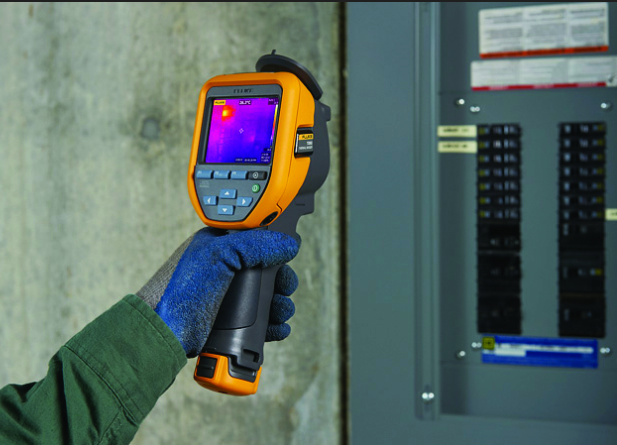
Thermal imaging reveals hidden fire damage invisible to visual inspection. These infrared cameras detect temperature variations indicating smoldering materials, wet areas behind walls, and heat-damaged structural components. This technology identifies problems before they manifest as visible damage, allowing proactive remediation that prevents future failures.
Moisture mapping documents water saturation patterns throughout your property. Fire suppression introduces water into unexpected locations through cracks, ventilation systems, and structural pathways. Detailed moisture surveys using calibrated meters identify all wet areas requiring drying attention, preventing mold growth and structural rot from hidden dampness.
Air quality testing determines contamination levels from smoke and combustion byproducts. Fires involving synthetic materials release toxic compounds that linger long after flames are extinguished. Professional testing identifies specific contaminants, guiding appropriate remediation protocols and verifying cleanup effectiveness before property reoccupation.
Structural engineering assessments evaluate load-bearing component integrity throughout fire-damaged structures. Heat exposure weakens steel beams, damages concrete, and degrades wood framing in ways that compromise structural capacity. Licensed engineers provide written reports documenting conditions and specifying required repairs or replacements ensuring building safety.
Material testing determines whether damaged components can be restored or require replacement. Laboratory analysis of samples provides definitive answers about contamination levels, structural integrity, and restoration feasibility. This scientific approach prevents unnecessary replacement while ensuring truly compromised materials receive proper attention.
Odor source identification pinpoints contamination locations causing persistent smoke smells. Smoke penetrates porous materials at molecular levels, creating odor problems that resist surface cleaning. Systematic investigation using specialized equipment locates odor sources hidden within wall cavities, attic spaces, and ductwork requiring targeted treatment.
Documentation synthesis compiles all assessment findings into comprehensive reports guiding restoration work. These detailed documents include photographs, test results, measurements, and professional recommendations creating roadmaps for complete recovery. Restoration crews reference these reports throughout the project, ensuring no identified issue escapes remediation.
Comprehensive Smoke Odor Elimination Methods
Smoke odor elimination presents one of fire restoration’s most challenging aspects because smoke particles penetrate materials at molecular levels. Timberwood Park’s wooded setting means many homes feature extensive wood elements that readily absorb smoke contamination. Professional fire damage restoration in Timberwood Park services employ multiple advanced techniques ensuring complete odor removal.
Source removal constitutes the foundation of effective odor elimination. Contaminated materials beyond practical cleaning require disposal and replacement, eliminating odor sources rather than attempting to mask them. This aggressive approach includes removing smoke-saturated insulation, damaged drywall, and contaminated porous materials that trap persistent odors.
HEPA vacuuming removes settled soot and smoke particles from all accessible surfaces. High-efficiency particulate air filters capture microscopic particles ordinary vacuums recirculate into the air. Systematic vacuuming proceeds from highest to lowest surfaces, preventing cross-contamination during cleaning operations.
Specialized cleaning solutions address different smoke residue types based on fire characteristics. Protein residues from kitchen fires require different chemistry than petroleum-based smoke from furnace malfunctions. Professional restoration technicians select appropriate cleaning products for each situation, maximizing effectiveness while preventing damage to surfaces being cleaned.
Air scrubbing purifies indoor air by capturing airborne smoke particles and odor molecules. Industrial air filtration systems equipped with HEPA filters and activated carbon remove contamination from air volumes, preventing recontamination of cleaned surfaces. These machines operate continuously throughout restoration projects, maintaining clean air environments.
Thermal fogging introduces microscopic deodorizing particles that penetrate materials exactly as smoke originally did. This process reaches contamination in inaccessible locations including inside walls, above ceilings, and within ductwork. The fog condenses on surfaces as it cools, leaving deodorizing compounds that neutralize embedded odors at molecular levels.
Ozone treatment provides powerful oxidation that destroys organic molecules causing odors. Ozone generators produce O3 that breaks chemical bonds in odor-causing compounds, eliminating rather than masking smells. This aggressive treatment requires complete property evacuation during application but delivers results when other methods prove insufficient.
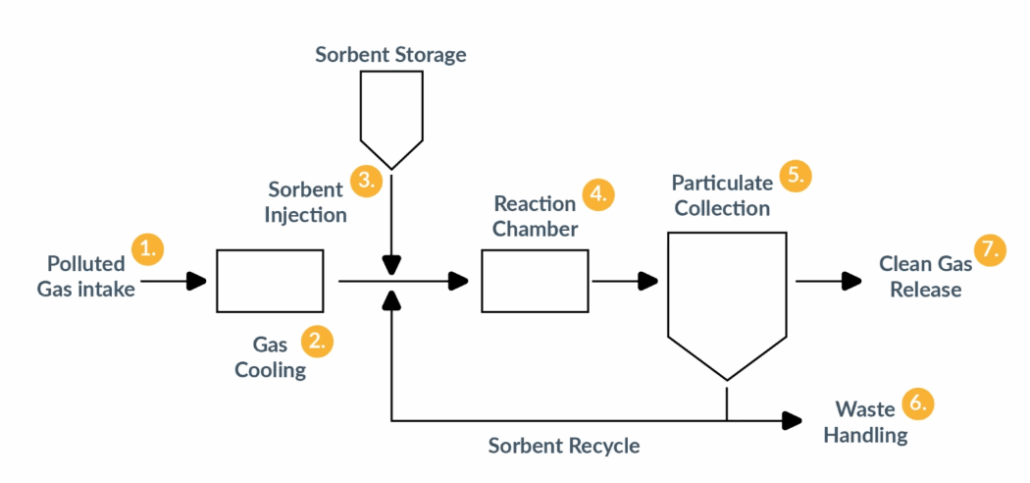
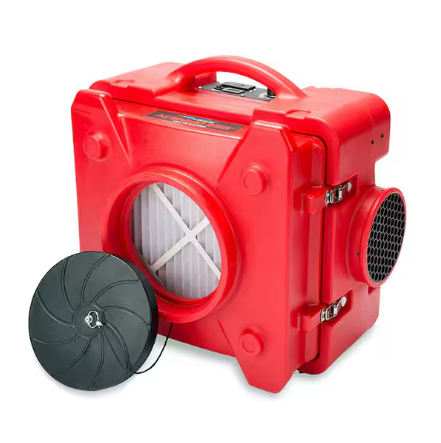
Hydroxyl generation offers continuous odor control safe for occupied spaces. These systems produce hydroxyl radicals that oxidize odor molecules without creating hazardous byproducts like ozone. Hydroxyl generators operate alongside restoration activities, providing ongoing odor neutralization throughout the recovery process.
Encapsulation sealing traps residual odors in materials where complete removal proves impractical. Specialized sealant products create vapor barriers on contaminated surfaces, preventing odor migration into indoor air. This technique proves particularly effective for subfloors, framing lumber, and concrete surfaces that absorbed heavy smoke contamination.
Ventilation management balances fresh air introduction with contamination control during restoration. Proper ventilation removes airborne particles and odors while containment systems prevent contamination spread. Professional restoration companies design ventilation strategies optimized for each property’s unique configuration and damage patterns.
Soot Contamination Removal and Surface Restoration
Soot removal requires specialized knowledge because different fire types produce distinct residue characteristics demanding customized cleaning approaches. Timberwood Park properties experience various fire scenarios from cooking incidents to electrical failures, each creating unique soot contamination patterns. Professional techniques ensure complete removal without causing additional damage during cleaning processes.
Dry soot results from fast-burning, high-temperature fires consuming materials completely. This powdery residue responds to specialized dry cleaning sponges that lift particles without smearing. Proper technique involves wiping in one direction only, frequently rotating the sponge to clean sections, and avoiding moisture that transforms dry soot into stubborn stains.
Wet soot forms during slow-burning, low-temperature fires incompletely combusting materials. This sticky residue smears when touched, complicating removal efforts. Professional cleaning requires specialized solutions that dissolve sticky compounds before wiping, preventing the smearing that spreads contamination rather than removing it.
Protein residue from kitchen fires leaves minimal visible soot but creates intense odors and permanently discolors varnished surfaces. This nearly invisible contamination requires specific cleaning products and aggressive odor elimination techniques. Standard cleaning often fails because the primary issue involves odor rather than visible residue.
For comprehensive guidance on water-related fire damage, review our resources on water damage restoration Seguin Texas and water damage restoration services Universal City TX.
Fuel oil soot from heating system malfunctions creates thick, sticky contamination with pungent odors. This challenging residue requires petroleum-based solvents and extensive labor for complete removal. The contamination often travels throughout structures via forced-air heating systems, necessitating comprehensive ductwork cleaning.
Surface material considerations determine appropriate cleaning methods because improper techniques damage finishes. Delicate surfaces including wallpaper, specialty paints, and natural stone require gentler approaches than durable materials like ceramic tile and metal. Professional restoration technicians match cleaning methods to surface characteristics, achieving thorough cleaning without causing additional damage.
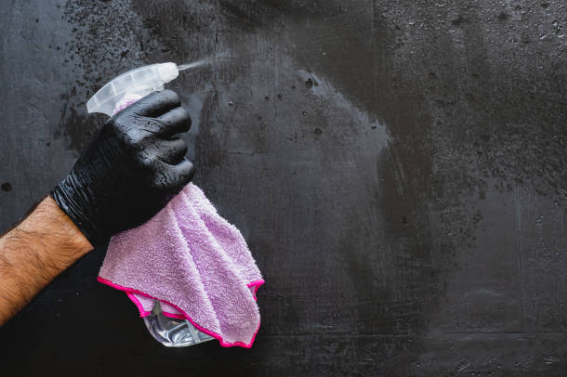
Wood restoration addresses both surface soot and deep smoke penetration in Timberwood Park’s many wood-featured homes. Hardwood floors, exposed beams, and wood paneling require systematic cleaning progressing from dry methods through wet cleaning and finally sealing. This multi-step approach removes contamination while preserving wood integrity and appearance.
Metal cleaning prevents corrosion caused by acidic soot compounds. Unprotected metals quickly deteriorate when soot contamination remains untreated, creating permanent damage within days of fire exposure. Prompt cleaning with appropriate solutions neutralizes acids, preventing corrosion while restoring appearance.
Electronics restoration saves valuable equipment through specialized cleaning in controlled environments. Circuit boards contaminated with soot experience short circuits and corrosion if not properly cleaned. Professional electronics restoration facilities employ ultrasonic cleaning, specialized solvents, and protective coatings restoring functionality to fire-exposed devices.
Content cleaning extends beyond structural surfaces to personal property throughout fire-damaged areas. Furniture, clothing, artwork, and household items require individual assessment and appropriate cleaning techniques. Professional contents restoration facilities handle thousands of items simultaneously, employing specialized processes unavailable at typical properties.
Water Damage Recovery from Fire Suppression
Water damage from firefighting efforts often equals or exceeds original fire destruction in extent and cost. Fire departments prioritize life safety and fire suppression over property preservation, resulting in significant water introduction throughout structures. Professional water damage recovery prevents secondary damage including mold growth, wood rot, and structural deterioration.
Immediate water extraction removes standing water before absorption worsens. Industrial extraction equipment including truck-mounted pumps and portable extractors eliminate bulk water from floors, carpets, and other surfaces. Speed proves critical because every hour of water contact increases absorption depth and damage severity.
Structural drying employs commercial dehumidifiers and air movers creating optimal conditions for moisture removal. These powerful machines establish airflow patterns drawing moisture from materials into air where dehumidification captures it. The process continues until moisture levels return to normal ranges, typically requiring three to seven days depending on saturation extent.
Moisture monitoring tracks drying progress ensuring complete moisture removal before reconstruction begins. Technicians measure moisture levels daily, adjusting equipment positioning and operational parameters optimizing efficiency. Documentation of moisture readings provides records proving complete drying, protecting against future mold claims.
Mold prevention begins during initial response because mold colonizes wet materials within 24 to 48 hours. Antimicrobial applications inhibit mold growth during the drying process while controlling bacteria proliferation. Temperature and humidity management maintains conditions unfavorable for mold development throughout restoration.
Hidden moisture detection identifies water accumulation within wall cavities, above ceilings, and under flooring. Thermal imaging and invasive moisture probes locate hidden dampness that visual inspection misses. Addressing hidden moisture prevents future mold outbreaks and structural failures from undetected saturation.
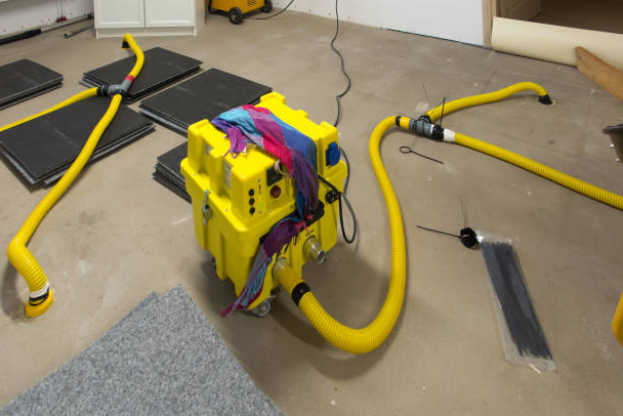
Hardwood floor drying requires specialized protocols preventing permanent damage. Water causes wood expansion, cupping, and crowning that destroys floors if drying occurs too quickly. Professional restoration includes gradual drying with continuous moisture monitoring, maximizing floor salvage rates while preventing additional damage from improper drying.
Ceiling and wall cavity drying addresses moisture trapped in enclosed spaces. Restoration professionals create temporary openings introducing drying equipment into cavities, ensuring thorough moisture removal. These access points later receive proper repair during reconstruction phases, leaving no evidence of temporary modifications.
Document and content drying salvages water-damaged paper goods and personal items. Specialized freeze-drying facilities restore documents, photographs, and books damaged by firefighting water. This technology removes moisture while preserving item integrity, saving irreplaceable materials that traditional drying methods would destroy.
Content Cleaning and Restoration Services
Content restoration saves personal property and reduces replacement costs following fire damage. Timberwood Park residents value their possessions, many with sentimental significance beyond monetary value. Professional content restoration employs specialized techniques salvaging items that appear beyond recovery, providing emotional relief alongside financial benefits.
On-site content cleaning addresses lightly damaged items remaining at the property during restoration. Furniture, appliances, and fixtures receive appropriate cleaning based on material composition and contamination extent. This approach proves efficient for items withstanding on-site treatment conditions.
Pack-out services transport heavily damaged contents to specialized restoration facilities equipped with advanced cleaning systems. Climate-controlled warehouses protect items from further damage while providing space for systematic restoration work. Detailed inventories document all removed items, maintaining chain of custody and facilitating insurance claim processing.
Electronics restoration employs ultrasonic cleaning removing smoke contamination from circuit boards and internal components. Specialized facilities disassemble devices, clean individual parts, test functionality, and reassemble equipment. This process restores computers, televisions, stereo equipment, and appliances to working condition when internal contamination doesn’t involve heat damage.
Textile restoration uses specialized cleaning processes addressing smoke odor in clothing, curtains, upholstery, and linens. Professional textile restoration facilities employ ozone chambers, specialized washing processes, and finishing techniques removing contamination while preserving fabric integrity. Items requiring dry cleaning receive appropriate treatment preventing damage from wrong cleaning methods.
Document restoration saves important papers including financial records, legal documents, family photographs, and memorabilia. Freeze-drying technology stabilizes wet documents while specialized cleaning removes smoke contamination. Digital scanning creates backup copies of restored documents, providing insurance against future loss.
Furniture restoration addresses both cleaning and repair of fire-damaged pieces. Wood furniture receives specialized cleaning removing smoke residue, refinishing restoring appearance, and repairs addressing structural damage. Upholstered furniture undergoes deep cleaning or reupholstering based on contamination severity and fabric condition.
Art and collectibles restoration requires specialized expertise addressing unique materials and damage patterns. Professional art restorers evaluate paintings, sculptures, pottery, and other valuables determining restoration feasibility. Items with significant value receive treatment from specialists trained in specific media types.
For additional insights on comprehensive restoration solutions, explore our guides on fire damage restoration in Hondo, 9 proven fire damage restoration in Schertz methods, and 7 critical fire damage restoration in Kyle steps.
Storage facilities maintain optimal conditions for restored contents during property reconstruction. Climate-controlled warehouses prevent damage from temperature and humidity fluctuations while security systems protect against theft and vandalism. Items remain in storage until reconstruction completion allows safe return to the property.
HVAC System Decontamination and Restoration
HVAC system contamination spreads smoke particles and odors throughout properties, requiring thorough cleaning before system operation resumes. Timberwood Park’s climate necessitates functional heating and cooling, making HVAC restoration a priority. Professional decontamination eliminates contamination while ensuring system safety and efficiency.
Ductwork inspection identifies contamination extent throughout forced-air distribution systems. Video inspection equipment reveals soot accumulation, debris presence, and physical damage requiring attention. This systematic evaluation guides cleaning priorities and identifies components requiring replacement rather than cleaning.
Duct cleaning removes soot, smoke residue, and contaminated debris from all system components. Specialized equipment including rotating brushes, powerful vacuums, and compressed air dislodges and removes contamination from ductwork interiors. Proper cleaning addresses supply ducts, return air pathways, and all transition fittings throughout the system.
Component replacement addresses heat-damaged parts including filters, insulation, and mechanical elements. Fire exposure compromises materials even when visible damage appears minimal. Replacement ensures safe operation while eliminating potential odor sources and contamination reservoirs that resist cleaning.
Coil cleaning restores heat exchanger efficiency while removing smoke contamination. Both evaporator and condenser coils require specialized cleaning removing residue from fin surfaces and internal passages. Clean coils operate efficiently while eliminating odor sources within critical system components.
Blower cleaning addresses contamination accumulation on fan blades and motor housings. These components circulate air throughout structures, making their cleanliness essential for indoor air quality. Thorough cleaning prevents contamination redistribution when systems resume operation.
Plenum and air handler decontamination eliminates contamination from central equipment components. These large chambers collect debris and contamination requiring aggressive cleaning attention. Proper decontamination prevents recontamination of cleaned ductwork when systems restart.
System sanitization applies antimicrobial treatments inhibiting mold and bacteria growth in cleaned systems. These treatments provide ongoing protection during restoration periods when normal filtration and environmental controls may be disrupted. Proper sanitization maintains healthy indoor air quality throughout the recovery process.
Performance testing verifies proper system operation after cleaning and repairs. Airflow measurements, temperature differential checks, and operational assessments ensure systems function safely and efficiently. Testing documentation provides records of restoration completeness for property owners and insurance adjusters.
Complete Structural Reconstruction Solutions
Structural reconstruction transforms fire-damaged properties into safe, functional spaces meeting or exceeding pre-fire conditions. This comprehensive phase addresses all damage from minor repairs through complete rebuilds. Prime Time Restoration coordinates all construction trades required for successful property restoration in Timberwood Park and throughout the San Antonio area.
Demolition and debris removal clears fire-damaged materials beyond restoration potential. Proper demolition maintains structural integrity while efficiently removing destroyed components. Careful material handling prevents additional damage to salvageable elements and protects workers from hazards including sharp edges, unstable materials, and contaminated debris.
Structural repairs rebuild damaged framing, foundations, and load-bearing elements ensuring building safety. Licensed contractors install new materials matching or exceeding original specifications while incorporating code-required upgrades. Structural work receives inspection and approval from building officials before concealment behind finish materials.
Rough-in installations address plumbing, electrical, and mechanical systems damaged by fire. Licensed tradespeople install new components meeting current code requirements, often improving system performance beyond pre-fire conditions. Proper rough-in work creates foundations for reliable long-term property operation.
Insulation installation restores thermal performance while meeting fire-resistance requirements. Modern insulation materials often provide improved fire protection compared to older products. Proper installation prevents thermal bridging, moisture problems, and energy waste affecting property performance.
Drywall installation and finishing creates interior surfaces ready for final finishes. Skilled craftsmen hang, tape, and finish drywall creating seamless repairs blending with existing conditions or establishing bases for updated finishes. Multiple finishing passes ensure smooth surfaces accepting paint without telegraphing imperfections.
Interior finishing includes painting, trim installation, and detail work completing reconstructed spaces. Quality materials and skilled workmanship create attractive results meeting property owner expectations. Finish work transforms construction sites into livable spaces ready for occupancy.
Flooring installation offers opportunities for upgrades while restoring functionality. Options include hardwood, luxury vinyl, tile, and carpet depending on preferences and budgets. Professional installers ensure proper substrate preparation preventing future problems from inadequate foundations.
Exterior restoration addresses fire damage to roofing, siding, windows, and doors. These building envelope components protect interiors from weather intrusion, making their proper restoration critical for long-term property protection. Quality materials and expert installation prevent future maintenance issues.
Final inspections verify all work meets building code requirements and permit conditions. Building officials examine structural repairs, system installations, and life safety components ensuring compliance with regulations. Successful inspections allow permit closure and property occupancy.
For maintaining property health after restoration, consider our air duct cleaning San Antonio TX guide for ongoing system maintenance.
Insurance Claims Management and Financial Recovery
Insurance navigation determines financial recovery success following fire damage. Prime Time Restoration’s extensive experience working with insurance companies throughout Texas helps Timberwood Park clients maximize claim settlements while minimizing stress. Understanding insurance processes and requirements proves essential for optimal outcomes.
Policy coverage review identifies benefits, limitations, and requirements affecting your specific claim. Homeowners and commercial property policies vary significantly in coverage scope, deductibles, and claim procedures. Early policy review prevents surprises during the claims process while identifying all available benefits.
Claims initiation begins immediately following fire damage to establish claim timelines. Prompt reporting satisfies policy requirements while triggering insurance company obligations. Early claim filing also starts the clock on response timeframes insurance companies must meet.
Documentation preparation assembles evidence supporting your claim amount. Professional restoration companies photograph damage extensively, prepare detailed estimates using industry-standard software, and maintain records of all restoration activities. This comprehensive documentation substantiates claim amounts and prevents disputes over damage extent or repair costs.
Adjuster coordination facilitates communication between property owners, restoration companies, and insurance representatives. Professional restoration companies understand insurance processes, use terminology adjusters recognize, and provide information in formats facilitating claim processing. This expertise accelerates approvals and payment releases.
Scope agreements establish what damage requires remediation and appropriate repair methods. Adjusters sometimes dispute damage extent or propose inadequate repair approaches attempting to minimize claim costs. Professional restoration companies advocate for property owners, ensuring scope agreements include all necessary work performed to proper standards.
Supplemental estimates document additional damage discovered during restoration work. Hidden damage behind walls, under floors, or above ceilings often becomes apparent only after demolition begins. Professional documentation of supplemental damage with photographs and explanations justifies additional costs, ensuring complete restoration funding.
Payment processing follows insurance company procedures requiring specific documentation before fund releases. Understanding payment structures prevents cash flow problems during restoration. Most policies pay actual cash value initially, withholding depreciation until restoration completion and final invoice submission.
Depreciation recovery requires restoration completion and final invoice submission. Insurance companies release held depreciation after verifying work completion matching approved estimates. Proper documentation and invoice preparation ensures full depreciation recovery without unnecessary delays.
Alternative living expenses claims reimburse temporary housing costs while fire-damaged homes remain uninhabitable. Maintain all receipts for hotel stays, rental housing, meals, and additional expenses resulting from displacement. Proper documentation maximizes recovery under this coverage provision.
Business interruption claims compensate commercial property owners for income lost during restoration periods. These complex claims require profit and loss documentation establishing normal revenue patterns before fire damage. Professional claim preparation maximizes recovery amounts, offsetting financial impacts of interrupted operations.
Conclusion
Fire damage restoration in Timberwood Park demands comprehensive expertise addressing immediate destruction while preventing long-term consequences. The nine essential strategies detailed in this guide create complete recovery pathways transforming fire-damaged properties into safe, functional spaces. From emergency response through final reconstruction, each phase requires specialized knowledge and proper execution achieving optimal results.
Prime Time Restoration serves Timberwood Park and surrounding communities including Austin, Boerne, Buda, Canyon Lake, Cibolo, Converse, Dallas, Fair Oaks Ranch, Hondo, Houston, Kyle, Live Oak, Leon Valley, New Braunfels, San Antonio, San Marcos, Schertz, Seguin, Selma, Spring Branch, and Universal City with 24/7 emergency fire damage restoration services. Our 90-minute response guarantee ensures your property receives immediate professional attention, minimizing secondary damage while accelerating recovery timelines.
Our comprehensive service portfolio includes water and flood restoration, environmental hazard remediation, fire damage remediation, commercial mold remediation, storm and fire damage restoration services, and complete reconstruction solutions. We specialize in serving hotels and hospitality properties, multifamily units, apartment complexes, and hospitals, providing tailored restoration approaches for each property type’s unique requirements and operational constraints.
Contact Prime Time Restoration immediately when fire strikes your Timberwood Park property. Our experienced team stands ready 24/7 to respond within 90 minutes, providing emergency stabilization, comprehensive restoration, and complete reconstruction services. Call 210-656-3469, email customerservice@ptr247.com, or visit our office at 11495 Topperwein Road, San Antonio, TX 78233. Review our client testimonials to understand why Timberwood Park property owners trust Prime Time Restoration with their most challenging fire damage recovery needs.
Don’t let fire damage define your property’s future; contact Prime Time Restoration today for proven fire damage restoration in Timberwood Park solutions that deliver complete recovery.
Connect with Prime Time Restoration:
- Follow us on Instagram for before-and-after restoration projects and fire safety tips
- Like our Facebook page for community updates and emergency preparedness information
- Connect on LinkedIn for industry insights and professional restoration expertise