
Commercial Mold Remediation: 5 Critical Truths That Protect Your Employees and Property Value
Table of Contents
Commercial mold remediation is the professional process of identifying, containing, and safely removing mold from business properties; including offices, hotels, apartment complexes, hospitals, and multifamily units. Left unaddressed, mold in a commercial setting creates serious health risks for employees, triggers liability exposure for property owners, and can cause significant property devaluation. This guide explains how mold forms in commercial buildings, what the remediation process involves, how to protect your team during the process, and what steps businesses can take to prevent recurrence.
Understanding the Commercial Mold Problem
Mold is not a cosmetic issue. It is a biological hazard; one that grows silently, spreads quickly, and causes damage that can cost a business tens of thousands of dollars when left unmanaged.
In commercial settings, mold most commonly develops after water intrusion events; a leaking roof, a burst pipe, condensation from an overworked HVAC system, or flooding from a storm. Because commercial buildings tend to be larger and more complex than residential properties, water can travel far from its source before being detected. By the time mold becomes visible, colonies may already be established deep within wall cavities, above ceiling tiles, and inside air ducts.
For businesses in San Antonio and surrounding areas like New Braunfels, Schertz, and Austin; where heat, humidity, and seasonal storms create near-ideal conditions for mold growth; proactive awareness and rapid response are non-negotiable.
Why Mold Spreads Faster in Commercial Buildings
Commercial properties have characteristics that accelerate mold growth in ways that a single-family home does not.
Larger footprint, longer detection delays. In a 20,000-square-foot office building or a multi-story hotel, a slow plumbing leak can go unnoticed for weeks. By the time maintenance staff investigate a musty odor or a discolored ceiling tile, mold may have spread well beyond the visible area.
Centralized HVAC systems. Commercial buildings typically use shared air handling systems. When mold establishes itself near an air intake or inside ductwork, spores are distributed throughout every connected room. What begins as a localized problem becomes a building-wide air quality issue with alarming speed.
High occupant density. More people in one space means more moisture generated through breathing, cooking, and cleaning; all of which raises indoor humidity. In facilities like hospitals, hotels, and apartment complexes, this effect is compounded significantly.
Construction materials that absorb moisture easily. Drop ceilings, gypsum drywall, carpeting, and fibrous insulation are common in commercial construction; and all are highly susceptible to moisture retention and mold colonization.
Truth 1 ; Mold Is a Legal and Liability Issue, Not Just a Maintenance Issue
Many business owners treat mold as a facilities management inconvenience. That perspective becomes very expensive very quickly.
The Occupational Safety and Health Administration (OSHA) holds employers legally responsible for maintaining a workplace free from recognized hazards that cause or are likely to cause harm to employees. While OSHA has not published a specific mold exposure limit, the General Duty Clause creates a clear legal obligation. If mold is present and employees suffer health consequences; and you were aware or should have been aware; the liability exposure is significant.
The EPA has published formal guidance specifically for mold remediation in commercial buildings and schools. That document makes clear that when mold contamination covers more than 10 square feet; which is easy to surpass in a commercial building; professional remediation is the recommended course of action.
Beyond employee health, commercial tenants and property managers also face obligations. A property owner who fails to disclose or address a known mold problem may face breach of lease claims, habitability lawsuits, or code violations depending on the jurisdiction.
Protecting your business starts with understanding that commercial mold remediation is not optional; it is a legal and ethical responsibility.
Truth 2 ; Your Employees Are Already Being Affected
The health impacts of mold exposure can be subtle at first; and that is exactly what makes them dangerous.
Common early symptoms of mold exposure include persistent coughing, sneezing, runny nose, itchy or watery eyes, and recurring headaches. For employees with asthma or existing respiratory conditions, symptoms can be much more severe; including chest tightness, shortness of breath, and immune reactions that worsen over time.
OSHA notes that mold can produce allergens and irritants that trigger reactions in sensitive individuals; and that health effects can appear with both immediate and delayed onset. This means employees may be suffering for months before anyone connects their symptoms to the building.
What makes this particularly challenging for business owners is that low-level mold exposure often does not produce visible symptoms in every employee. You may have 10 staff members who feel fine alongside 3 whose chronic sinus problems are directly linked to workplace air quality; and the connection may never be made without a professional indoor air quality assessment.
The risk is not hypothetical. Businesses that allow mold to persist have faced workers’ compensation claims, reduced productivity, increased absenteeism, and turnover directly linked to poor indoor environmental conditions.
Protecting your employees is the most important reason to take commercial mold remediation seriously; even before the financial and legal factors are considered.
Truth 3 ; Your HVAC System Is Your Biggest Hidden Risk
If there is one piece of advice every business owner should internalize, it is this: never run your HVAC system if you know or suspect mold contamination near the air intake or inside the ducts.
The EPA guidance is explicit on this point. Running a contaminated HVAC system spreads mold spores to every corner of the building; turning a contained problem into a widespread one in hours.
In commercial buildings, HVAC-related mold contamination typically develops through:
Condensate drain pans that overflow or block. These collect moisture around the air handler unit; creating a persistent wet environment where mold thrives.
Poorly maintained ductwork with moisture infiltration. Even small gaps or condensation inside ducts create enough dampness for mold to colonize insulation and duct lining.
Inadequate fresh air exchange. Buildings with poor ventilation trap humidity indoors; raising the baseline moisture level that feeds mold throughout the entire structure.
When commercial mold remediation identifies HVAC involvement, a critical component of the remediation plan must include proper duct inspection and cleaning; not just surface treatment of visible mold.
For businesses in San Antonio, professional air duct cleaning is part of a comprehensive mold prevention and remediation strategy. Learn more at Air Duct Cleaning San Antonio, TX Guide.
Truth 4 ; The Commercial Remediation Process Is Different from Residential
Homeowners and business owners sometimes assume that mold removal is mold removal. In practice, commercial mold remediation is a different discipline entirely.
The scale is larger. A commercial remediation project may span multiple floors, involve multiple affected zones, and require coordinated teams working in containment simultaneously. Residential protocols simply do not transfer to a 50,000-square-foot hotel or a hospital wing.
Business continuity must be managed. In residential remediation, the family can stay with relatives. In commercial settings; especially hotels, apartment complexes, hospitals, and multifamily properties; remediation must often be phased or scheduled to minimize disruption to occupants and operations. This requires experience and project management capacity.
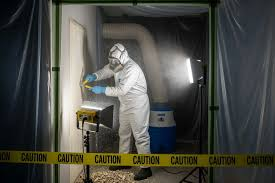
Containment is more complex. Commercial remediation requires negative air pressure containment zones, HEPA filtration, and strict protocols for preventing cross-contamination between occupied and remediated areas. Breaching containment in a commercial setting can expose dozens or hundreds of people to mold spores simultaneously.
Documentation and clearance testing are mandatory. After commercial mold remediation is complete, independent post-remediation verification is typically required. This means an independent environmental professional tests air quality and confirms that indoor mold spore counts have returned to acceptable levels. In some regulated industries; like healthcare; this step is non-negotiable.
Here is what a professional commercial mold remediation process typically includes:
- Initial mold inspection and assessment; often using air sampling and moisture mapping
- Development of a written remediation plan with containment specifications
- Containment setup using poly sheeting barriers and negative air pressure systems
- Physical removal of mold-affected materials following EPA and IICRC S520 guidelines
- HEPA vacuuming and antimicrobial surface treatment of all affected areas
- Addressing the moisture source to prevent recurrence
- Post-remediation air quality testing and clearance verification
- Full documentation for insurance and regulatory compliance
For more on recognizing mold and understanding when professional intervention is required, see Mold Remediation: Signs, Risks, and Professional Solutions.
Truth 5 ; Prevention Costs Far Less Than Remediation
The most effective commercial mold strategy is the one that prevents mold from forming in the first place.
A large-scale commercial mold remediation project can cost anywhere from several thousand to tens of thousands of dollars; depending on square footage, affected materials, and whether structural components need to be replaced. Add in operational disruption, potential liability, and the cost of temporary relocation for occupants; and the financial case for prevention is overwhelming.
Here is what proactive prevention looks like for commercial properties:
Implement a regular moisture audit program. Schedule periodic inspections of roof membranes, plumbing supply lines, drain pans, and building envelope penetrations. Most commercial mold problems begin with a slow, undetected leak.
Maintain HVAC systems on a strict schedule. Change filters regularly, clean condensate drain lines, and inspect ductwork annually. Ask your HVAC contractor to flag any areas of concern related to moisture.
Respond to water intrusion events immediately. Whether it is a burst pipe, a roof leak, or a storm flood; any water that enters the building must be extracted and the affected area dried within 24 to 48 hours. Delayed response is the number one reason minor water events become major mold problems.
Monitor indoor humidity. Commercial buildings should maintain relative indoor humidity between 30 and 50 percent. In San Antonio’s climate, this requires active HVAC management during summer months when outdoor humidity is high.
Train your facilities team. Staff should know what early mold indicators look like; musty odors, discolored ceiling tiles, surface condensation, and visible dark spotting; and have a clear protocol for reporting and escalating moisture issues.
For properties that have already experienced water damage, the time between water intrusion and professional restoration directly determines whether mold will become part of the problem. See Why 24/7 Restoration Services Matter.
What to Expect During Commercial Mold Remediation
If you have identified a mold problem at your commercial property and you are engaging a professional remediation team, here is what the experience should look like:
The remediation team should arrive with a clear assessment protocol; not just a visual inspection, but air sampling and moisture mapping that quantifies the extent of the problem. A written remediation plan should be provided before work begins.
During remediation, expect containment barriers to be established around affected zones. Negative air pressure machines; which pull air through HEPA filters; will run continuously to prevent spores from escaping the containment area. Access to the work zone will be controlled.
Expect honest communication about materials that cannot be saved. Porous building materials like drywall, ceiling tiles, and carpet that have been heavily contaminated with mold cannot simply be surface-treated; they must be removed and replaced.
After remediation, do not accept completion without post-remediation testing. An independent air quality test is the only objective confirmation that the work was done correctly.
Prime Time serves commercial clients throughout San Antonio, Austin, Dallas, Houston, New Braunfels, Schertz, Seguin, Converse, Leon Valley, Live Oak, Universal City, and beyond. Their commercial remediation services are backed by 24/7 availability and a 90-minute response time; because mold problems discovered on a Friday night should not wait until Monday morning.
Which Businesses Are Most at Risk?
While any commercial property can develop a mold problem, certain business types face elevated risk based on their building characteristics and occupancy patterns:
Hotels and hospitality properties deal with high moisture generation from guest rooms, laundry facilities, kitchens, and pools. A single room with an undetected plumbing leak can expose an entire floor to mold within days.
Multifamily units and apartment complexes often have aging plumbing infrastructure, shared walls where moisture migrates between units, and residents who may not report leaks promptly. Property managers bear the liability when mold affects resident health.
Hospitals and healthcare facilities have the strictest indoor air quality requirements of any commercial setting. Mold in a healthcare environment is not just a property concern; it is a patient safety concern. Immunocompromised patients are at serious risk from fungal exposure.
Offices with older construction often have legacy HVAC systems, aging roof membranes, and building envelope vulnerabilities that were never designed with modern moisture management in mind.
If your property type appears on this list; proactive commercial mold remediation assessment is not paranoia; it is sound risk management.
How do I know if my commercial building has a mold problem?
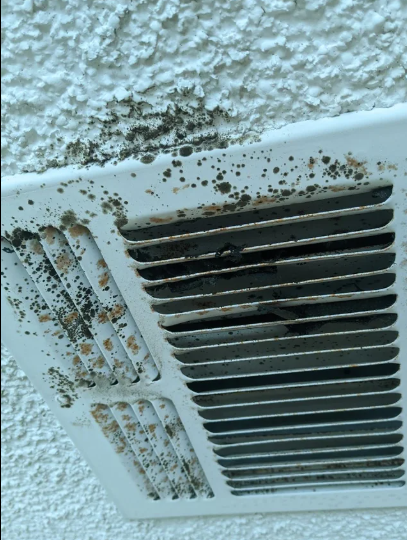
Common signs include a persistent musty odor that does not resolve with cleaning, visible dark spotting on walls, ceilings, or near vents, recurring employee respiratory complaints, and a history of water intrusion events that were not professionally dried.
Can employees work in a building during commercial mold remediation?
In many cases, yes; if proper containment and negative air pressure are maintained and the affected area is isolated from occupied zones. However, this must be assessed on a case-by-case basis by the remediation team. Vulnerable employees; including those with asthma or compromised immune systems; should be temporarily relocated.
How long does commercial mold remediation take?
Depending on the scope, commercial remediation projects can take anywhere from a few days to several weeks. Larger projects involving multiple zones, HVAC systems, and structural material removal will take longer.
Will my commercial property insurance cover mold remediation?
Coverage depends on your policy and the cause of the mold. Mold resulting from a sudden covered water event; like a burst pipe; is often covered. Mold resulting from long-term moisture issues or maintenance neglect is frequently excluded. Always document the cause and work with a restoration company that provides detailed records.
Conclusion
Mold in a commercial building is not a problem you can paint over, mask with air fresheners, or delay until the next budget cycle. It is a health, legal, and financial issue that grows more serious with every week it goes unaddressed.
The five truths in this guide exist to give you clarity: mold is a liability issue; your employees are already at risk; your HVAC system is likely the largest hidden threat; commercial remediation is a specialized discipline; and prevention is always cheaper than the cure.
Prime Time Restoration brings 24/7 emergency response, specialized commercial mold remediation expertise, and a 90-minute response time to businesses across San Antonio, Austin, New Braunfels, Schertz, Leon Valley, Universal City, Converse, and surrounding communities.
The question is not whether your building could develop a mold problem. In South Texas, the climate almost guarantees it will; eventually. The real question is: will you be ready when it does?
Address: 11495 Topperwein Road, San Antonio, TX 78233
Follow Prime Time on Instagram, Facebook, and LinkedIn.
Also explore: Water Damage Restoration Seguin Texas Guide |Flood Damage Restoration Near Me |Water Damage Restoration Services Universal City TX

Leave a Reply
Want to join the discussion?Feel free to contribute!