7 Proven Fire Damage Restoration in Spring Branch Methods That Save Properties
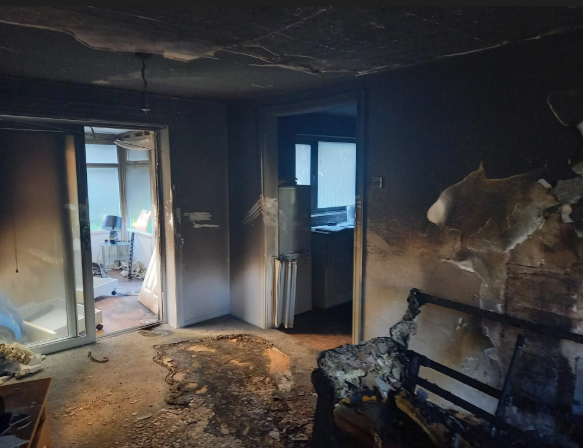
Table of Contents
Fire damage restoration in Spring Branch requires immediate professional intervention to address structural damage, smoke residue, soot contamination, and water damage from firefighting efforts. This comprehensive guide explains the complete restoration process, emergency response protocols, insurance coordination, and how Prime Time Restoration’s 90-minute response time helps Spring Branch residents recover quickly from devastating fire incidents affecting homes, apartments, hotels, and commercial properties.
When flames tear through your Spring Branch property, the destruction extends far beyond what you can see. Hidden smoke particles penetrate deep into walls, soot corrodes metal surfaces, and water from firefighting efforts seeps into structural components. Understanding the fire damage restoration in Spring Branch process helps property owners make informed decisions during one of life’s most challenging moments.
Spring Branch residents face unique challenges when fires strike. The area’s mix of older homes and newer developments means fire damage can manifest differently across properties. Whether you manage a hotel in the hospitality sector, oversee multifamily units, or own a single-family home, knowing what steps to take immediately after a fire can mean the difference between a complete recovery and permanent loss.
Understanding Fire Damage in Spring Branch Properties
Fire damage creates multiple layers of destruction that require specialized knowledge to address properly. Spring Branch properties experience three distinct types of damage when fires occur: primary fire damage from direct flame contact, secondary damage from smoke and soot, and tertiary damage from water used to extinguish the blaze.
Primary fire damage includes charred structural elements, melted materials, and complete destruction of contents in the fire’s path. The intense heat weakens steel beams, compromises wooden framing, and damages electrical systems throughout affected areas. Spring Branch’s diverse building stock means older properties may have different vulnerabilities compared to newer constructions.
Secondary smoke damage proves particularly insidious because smoke particles travel throughout the entire structure, even reaching areas far from the fire’s origin. These microscopic particles embed themselves in porous surfaces, creating persistent odors and potentially hazardous conditions. Soot accumulation on surfaces causes corrosion of metals, discoloration of walls and ceilings, and contamination of HVAC systems.
Water damage from firefighting efforts often surprises property owners who didn’t anticipate this additional complication. Fire departments use thousands of gallons to suppress flames, leading to flooding, saturated materials, and potential mold growth if not addressed within 24 to 48 hours. This tertiary damage requires immediate attention alongside fire and smoke remediation.

The chemical composition of smoke varies based on what materials burned. Synthetic materials produce toxic residues requiring specialized cleaning protocols, while natural materials create different types of soot that demand alternative treatment approaches. Professional fire damage restoration in Spring Branch services identify these variations to apply appropriate cleaning methods.
Temperature fluctuations during fires cause materials to expand and contract, creating hidden cracks and structural weaknesses. These compromised elements may not fail immediately but pose long-term risks if not properly evaluated and repaired. Professional structural engineers assess load-bearing components to ensure safety before reconstruction begins.
Immediate Actions After a Fire Emergency
The moments and hours following a fire emergency determine the success of your restoration efforts. Spring Branch property owners should prioritize safety above all else; never re-enter a fire-damaged structure until fire officials declare it safe. Structural instability, toxic fumes, and hidden hot spots pose serious dangers even after flames are extinguished.
Contact your insurance company immediately to report the fire damage and initiate your claim. Document everything with photographs and videos before any cleanup begins, capturing the extent of damage from multiple angles. This documentation proves invaluable during the insurance claims process and helps restoration professionals develop accurate estimates.
Secure your property to prevent further damage and unauthorized entry. Board up broken windows, tarp damaged roof sections, and restrict access to maintain security. Professional restoration companies like Prime Time Restoration provide emergency board-up services as part of their 24/7 emergency response, arriving within 90 minutes to protect your property.
Begin the restoration process quickly to minimize secondary damage. Smoke and soot become increasingly difficult to remove as time passes, and water damage can lead to mold growth within 24 hours. Contact a professional fire damage restoration in Spring Branch service immediately rather than attempting DIY cleanup, which can spread contaminants and cause additional damage.
Notify utility companies about the fire so they can assess whether gas, electric, and water services remain safe to use. Damaged utility lines pose explosion and electrocution risks that require professional evaluation before restoration work begins. Don’t attempt to restore utilities yourself under any circumstances.
Create an inventory of damaged and destroyed items for insurance purposes. This detailed list should include descriptions, estimated values, and photographic evidence when possible. Separate items that can be restored from those requiring replacement, though professional restorers often salvage items that initially appear beyond recovery.
The Complete Fire Damage Assessment Process
Professional fire damage assessment forms the foundation of successful restoration. When Prime Time Restoration’s certified technicians arrive at your Spring Branch property, they conduct a comprehensive evaluation examining every aspect of fire, smoke, and water damage. This systematic approach ensures no hidden damage escapes notice.
The assessment begins with structural integrity evaluation. Engineers and experienced restoration professionals inspect load-bearing walls, floor joists, roof trusses, and foundation elements to identify compromised components. They use specialized equipment including moisture meters, thermal imaging cameras, and structural analysis tools to detect damage invisible to the naked eye.
Smoke penetration mapping identifies all areas affected by smoke migration. Technicians trace smoke patterns throughout the structure, noting intensity levels in different zones. This mapping guides the cleaning strategy, ensuring thoroughness while avoiding unnecessary work in unaffected areas. Smoke travels in unpredictable patterns, often reaching spaces far from the fire’s origin.
Water damage assessment determines the extent of saturation from firefighting efforts. Restoration professionals measure moisture levels in walls, floors, ceilings, and contents to establish drying priorities. They classify water damage categories and contamination levels, which dictate appropriate extraction and drying protocols for different areas.
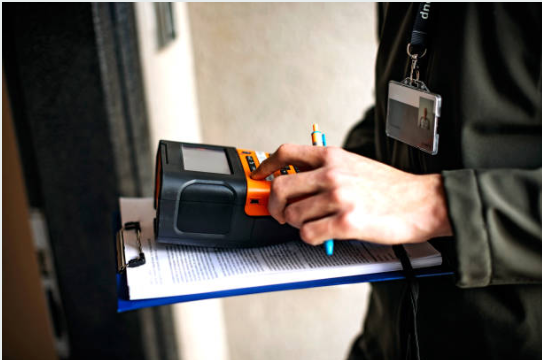
Contents evaluation catalogs damaged items, determining what can be restored versus what requires replacement. Specialized restoration techniques can salvage many items initially appearing destroyed, including documents, electronics, furniture, and sentimental possessions. This evaluation helps maximize insurance recoveries while preserving irreplaceable items.
The assessment produces detailed documentation including photographic evidence, moisture readings, damage descriptions, and restoration recommendations. This comprehensive report serves multiple purposes: guiding the restoration work, supporting insurance claims, and providing property owners with clear expectations about the restoration timeline and costs.
Priority ranking ensures critical issues receive immediate attention. Life safety concerns, structural stabilization, and water extraction take precedence over cosmetic repairs. This systematic approach prevents additional damage while moving the restoration process forward efficiently.
Smoke and Soot Removal Techniques
Smoke and soot removal requires specialized knowledge and equipment that typical cleaning methods cannot provide. Different types of fires produce various residue compositions, each demanding specific treatment protocols. Professional fire damage restoration in Spring Branch services employ industry-certified techniques that fully eliminate smoke contamination.
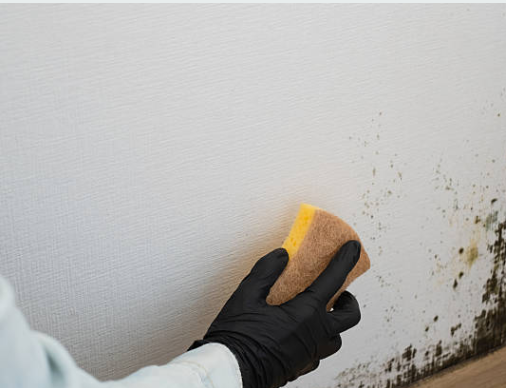
Dry smoke results from fast-burning, high-temperature fires that consume materials completely. This powdery, non-sticky residue responds well to vacuum cleaning and specialized sponges designed to lift particles without spreading them. However, dry smoke’s fine particle size allows deep penetration into porous materials, requiring multiple treatment passes.
Wet smoke comes from slow-burning, low-temperature fires that incompletely combust materials. This sticky, smudgy residue proves more challenging to remove because it smears when contacted. Wet smoke requires specialized cleaning solutions and techniques that dissolve the sticky compounds before removal, preventing further spreading during cleanup.
Protein smoke from kitchen fires leaves minimal visible residue but creates intense, persistent odors. This nearly invisible contamination permanently discolors varnishes and requires aggressive odor elimination techniques. Standard cleaning often fails to address protein smoke because the primary issue involves odor rather than visible residue.
Fuel oil soot from furnace malfunctions creates thick, sticky residue with pungent odors. This contamination requires specific petroleum-based solvents and extensive cleaning efforts. Fuel oil smoke often travels throughout entire structures via HVAC systems, necessitating ductwork cleaning alongside surface restoration.
HEPA filtration systems remove airborne smoke particles during the cleaning process, preventing recontamination of cleaned surfaces. Air scrubbers equipped with activated carbon filters capture odor-causing molecules while technicians work, improving air quality and accelerating the deodorization process.
Thermal fogging introduces deodorizing particles that penetrate materials at the molecular level, neutralizing embedded smoke odors. This process mimics how smoke penetrated surfaces, allowing odor counteractants to reach the same microscopic spaces. Multiple fogging applications may be necessary for complete odor elimination in severe cases.
Ozone treatment provides powerful oxidation that destroys odor-causing molecules at the molecular level. However, ozone requires proper application protocols and complete evacuation of people, pets, and plants during treatment. Professional restoration companies understand when ozone proves appropriate versus when alternative methods provide better results.
Hydroxyl generation offers a safer alternative to ozone for occupied spaces. These machines produce hydroxyl radicals that break down odor compounds without creating hazardous byproducts. The technology works continuously during restoration activities, providing ongoing odor control while technicians address other damage aspects.
Surface sealing encapsulates residual odors in porous materials where complete removal proves impossible or cost-prohibitive. Specialized sealant products create odor barriers on surfaces like subfloors, framing lumber, and concrete that absorbed heavy smoke contamination. This technique prevents future odor migration while allowing restoration to progress.
Water Damage Mitigation from Firefighting Efforts
Water damage from firefighting efforts often equals or exceeds the original fire damage in scope and cost. Thousands of gallons pumped into structures during fire suppression saturate building materials, creating immediate risks and long-term problems if not properly addressed. Professional water damage restoration companies San Antonio expertise becomes essential for comprehensive fire recovery.
Water extraction begins immediately upon arrival of restoration professionals. Industrial-grade pumps and extractors remove standing water from floors, carpets, and other surfaces before saturation worsens. The faster water removal occurs, the greater the chance of salvaging building materials and contents.
Moisture detection identifies hidden water accumulation within wall cavities, under flooring, and above ceilings. Thermal imaging cameras reveal temperature variations indicating wet areas, while moisture meters provide precise measurements of material saturation levels. This technology prevents hidden moisture pockets that later cause mold growth and structural deterioration.
Structural drying employs commercial-grade dehumidifiers and air movers strategically positioned to maximize moisture removal efficiency. These powerful machines create airflow patterns that draw moisture from materials into the air, where dehumidifiers capture it. The drying process continues until moisture levels return to pre-loss conditions, typically requiring three to seven days depending on damage extent.
Mold prevention measures begin during the initial response because mold can colonize wet materials within 24 to 48 hours. Antimicrobial treatments applied to affected surfaces inhibit mold growth while drying occurs. Maintaining proper temperature and humidity levels throughout the restoration process prevents ideal mold growth conditions from developing.

Hardwood floor restoration requires specialized techniques because water causes cupping, crowning, and permanent damage if not treated properly. Professional restoration includes moisture measurement, gradual drying protocols, and post-drying evaluation to determine whether floors can be restored or require replacement. Rushing this process guarantees floor destruction.
Ceiling and wall cavity drying prevents hidden moisture accumulation that leads to future mold growth and structural failure. Restoration professionals may create temporary openings to introduce drying equipment into enclosed spaces, ensuring thorough moisture removal. These openings later receive proper repair during reconstruction phases.
Content drying and restoration saves personal belongings damaged by firefighting water. Specialized facilities equipped with document recovery chambers, electronics restoration equipment, and textile cleaning systems restore items traditional methods cannot save. This capability preserves irreplaceable items while reducing replacement costs for insurance claims.
Structural Repairs and Reconstruction Services
Reconstruction transforms fire-damaged properties back into safe, functional spaces. This phase addresses structural damage, replaces destroyed materials, and restores buildings to their pre-fire condition or better. Prime Time Restoration’s reconstruction services coordinate all trades required for complete property restoration.
Structural stabilization ensures buildings remain safe during reconstruction work. Engineers may specify temporary supports for compromised load-bearing elements, allowing safe access for workers while permanent repairs are designed and implemented. This critical step prevents secondary collapses that could injure workers or cause additional property damage.
Demolition removes fire-damaged materials beyond restoration, including charred framing, contaminated insulation, melted fixtures, and destroyed finishes. Proper demolition maintains structural integrity while efficiently clearing damaged components. Careful material removal prevents additional damage to salvageable elements adjacent to destroyed sections.
Framing repairs rebuild structural skeletons damaged or destroyed by fire. Carpenters install new floor joists, wall studs, ceiling rafters, and roof trusses matching existing construction or upgrading to current building codes. Many jurisdictions require code upgrades during reconstruction, potentially including enhanced fire protection measures.
Electrical system restoration addresses damaged wiring, melted insulation, and destroyed fixtures. Licensed electricians verify system safety, replace compromised components, and often upgrade panels and circuits to meet current codes. Electrical work requires permits and inspections to ensure compliance with safety standards.
Plumbing repairs replace damaged pipes, fixtures, and water heaters affected by fire exposure. Heat can compromise pipe integrity, creating future leak risks if not properly addressed. Professional plumbers pressure-test all systems before concealing them within walls and floors, preventing future water damage from undetected weaknesses.
HVAC restoration ensures heating and cooling systems operate safely and efficiently after fire exposure. Ductwork requires cleaning to remove soot and smoke contamination, while heat-damaged components need replacement. Complete system testing verifies proper operation before reconstruction completion.
Insulation installation provides thermal and acoustic performance while meeting fire-resistance requirements. Modern insulation materials offer improved fire protection compared to older products, enhancing property safety during reconstruction. Proper installation prevents thermal bridging and moisture problems that compromise building performance.
Drywall installation, finishing, and painting restore interior surfaces to pre-fire appearance. Skilled craftsmen create seamless repairs that blend with existing surfaces or provide opportunities for updated finishes. Multiple coats of primer and paint ensure complete odor sealing and visual appeal.
Flooring replacement offers opportunities to upgrade materials while restoring functionality. Options range from budget-friendly materials matching pre-fire conditions to premium upgrades improving property value. Professional installers ensure proper substrate preparation, preventing future problems from inadequate foundations.
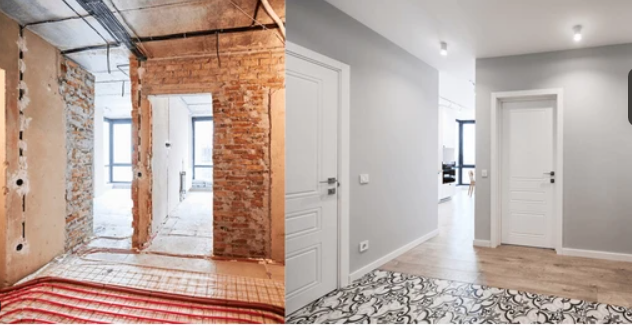
Exterior restoration addresses fire damage to siding, roofing, windows, and doors. These components protect the building envelope from weather intrusion, making their proper restoration critical for long-term property protection. Quality materials and expert installation prevent future maintenance issues and additional weather damage.
The reconstruction timeline varies based on damage extent, permit requirements, materials availability, and project complexity. Minor fires may require only a few weeks for complete restoration, while extensive damage can take several months. Regular communication keeps property owners informed of progress and any timeline adjustments.
Insurance Coordination and Documentation
Insurance coordination determines financial recovery success after fire damage. Prime Time Restoration’s experience working with insurance companies throughout San Antonio and surrounding areas, including Spring Branch, helps clients navigate complex claims processes. Understanding insurance requirements and documentation standards proves essential for maximizing claim settlements.
Policy review identifies coverage limits, deductibles, and exclusions that affect your claim. Fire damage typically falls under homeowners and commercial property insurance policies, but specific coverage varies by policy. Some policies include guaranteed replacement cost coverage, while others provide actual cash value settlements that depreciate damaged items.
Claims documentation requires detailed evidence supporting all damage and loss assertions. Professional restoration companies photograph damage progression throughout the restoration process, maintain daily logs of work performed, and preserve samples of damaged materials. This comprehensive documentation substantiates claim amounts and prevents disputes over damage extent.
Estimates and invoicing follow insurance industry standards for calculating restoration costs. Experienced restoration companies use Xactimate or similar estimating software that insurance adjusters recognize and accept. Detailed line-item breakdowns explain all costs, preventing confusion and facilitating faster claim processing.
Adjuster coordination ensures smooth communication between property owners, restoration companies, and insurance representatives. Professional restoration companies understand insurance processes, speak the industry language, and provide documentation in formats adjusters expect. This expertise accelerates claim approvals and payment processing.
Mitigation documentation proves property owners took reasonable steps to prevent additional damage after the fire. Insurance policies require policyholders to protect property from further deterioration, making emergency board-up, water extraction, and temporary repairs essential for claim approval. Failure to mitigate can result in claim denials for preventable secondary damage.
Supplement requests address additional damage discovered during restoration work that wasn’t apparent during initial inspections. Hidden damage behind walls, under floors, or above ceilings often becomes visible only after demolition begins. Professional restoration companies prepare supplemental estimates documenting these discoveries with photographs and explanations justifying additional costs.
Depreciation recovery provisions in replacement cost policies require property owners to complete repairs before receiving full claim payments. Insurance companies initially pay actual cash value amounts minus depreciation, then release held depreciation funds upon restoration completion and receipt of final invoices. Understanding this payment structure prevents cash flow surprises during restoration.
Alternative living expenses coverage reimburses hotel stays, temporary housing, and additional living costs while fire-damaged homes remain uninhabitable. Property owners should document all additional expenses with receipts and maintain records of claim-related communications. This coverage helps families maintain normalcy during the restoration period.
Business interruption coverage compensates commercial property owners for lost income during fire damage restoration. Claims require profit and loss documentation proving normal business revenue patterns before the fire. Professional preparation of these claims maximizes recovery amounts, offsetting financial impacts of closed business operations.
For expert assistance with your fire damage recovery, explore our related resources on fire damage restoration in New Braunfels, 7 fire damage restoration in Leon Valley steps, and fire damage restoration in Boerne complete guide.
Conclusion
Fire damage restoration in Spring Branch demands professional expertise that addresses immediate destruction while preventing long-term consequences. The seven critical steps outlined in this guide; understanding damage types, taking immediate action, conducting comprehensive assessments, removing smoke and soot, mitigating water damage, completing reconstruction, and coordinating insurance claims form the foundation of successful property recovery.
Prime Time Restoration serves Spring Branch alongside Austin, Boerne, Buda, Canyon Lake, Cibolo, Converse, Dallas, Fair Oaks Ranch, Hondo, Houston, Kyle, Live Oak, Leon Valley, New Braunfels, San Antonio, San Marcos, Schertz, Seguin, Selma, Timberwood Park, and Universal City with 24/7 emergency services. Our 90-minute response time ensures fire damage receives immediate professional attention, minimizing secondary damage and accelerating recovery.
Our comprehensive services include water and flood restoration, environmental hazard remediation, fire damage remediation, commercial mold remediation, storm damage restoration, and complete reconstruction services. We work with hotels and hospitality properties, multifamily units, apartment complexes, and hospitals, providing specialized restoration solutions for each property type’s unique requirements.
When fire strikes your Spring Branch property, every minute matters. Contact Prime Time Restoration at 210-656-3469 or email customerservice@ptr247.com for immediate assistance. Visit our office at 11495 Topperwein Road, San Antonio, TX 78233, or explore our testimonials to see why Spring Branch residents trust us with their most challenging restoration needs.
Have you identified potential fire hazards in your Spring Branch property that need addressing before disaster strikes?
Connect with Prime Time Restoration:
- Follow us on Instagram for restoration tips and project updates
- Like our Facebook page for community engagement and fire safety information
- Connect on LinkedIn for professional restoration insights