7 Proven Fire Damage Restoration in Kyle Steps That Will Save Your Property
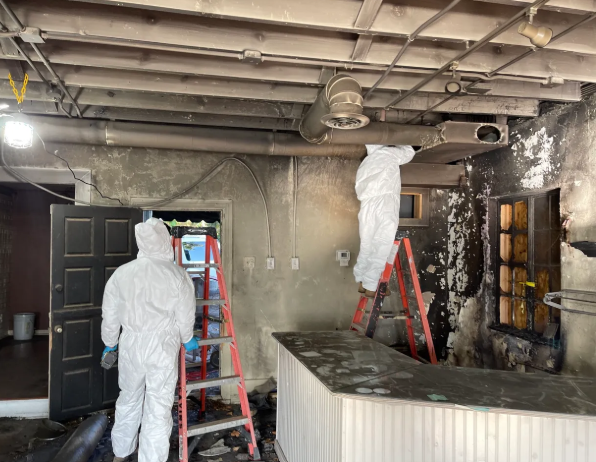
Table of Contents
Fire damage restoration in Kyle requires immediate action and professional expertise to prevent further deterioration of your property. This comprehensive guide covers everything from the initial 90-minute emergency response to complete reconstruction, helping Kyle residents understand the restoration process, associated costs, insurance claims, and how to choose the right restoration company. Whether you’re dealing with minor smoke damage or complete structural devastation, understanding these seven critical steps will help you navigate the recovery process effectively and restore your property to its pre-loss condition.
Understanding Fire Damage in Kyle: What Every Property Owner Must Know
Fire damage represents one of the most devastating emergencies a property owner can face in Kyle, Texas. The impact extends far beyond visible flames and charred materials, it creates a complex cascade of destruction that requires immediate professional intervention. Understanding the full scope of fire damage is the first step toward effective recovery.
When fire strikes a Kyle property, whether residential or commercial, the destruction occurs on multiple levels simultaneously. The flames themselves consume combustible materials, weakening structural components and destroying personal belongings. However, the visible fire damage often represents just a fraction of the total impact. Smoke infiltrates every crevice of your property, embedding itself deep into porous materials like drywall, insulation, carpeting, and upholstery. This smoke damage continues causing deterioration long after the flames are extinguished.
The heat generated during a fire even from relatively small blazes can reach temperatures exceeding 1,000 degrees Fahrenheit. This intense heat warps metal fixtures, cracks glass, melts plastics, and compromises the structural integrity of wood framing and supports. Materials that appear salvageable at first glance may have suffered hidden thermal damage that threatens their long-term stability.
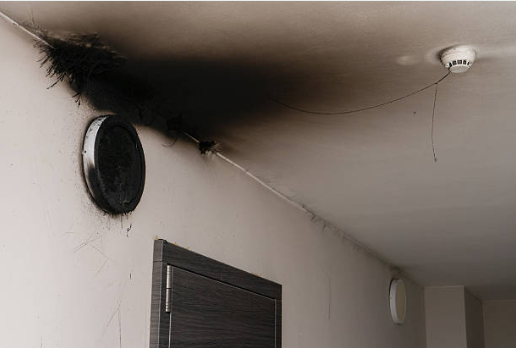
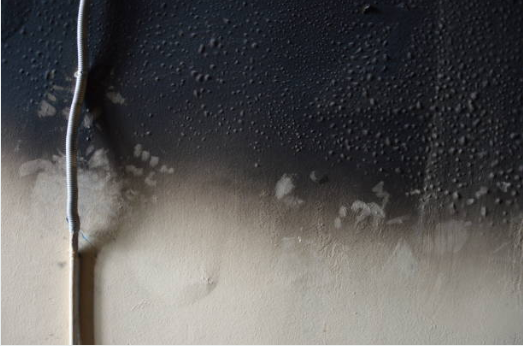
Water damage from firefighting efforts adds another layer of complexity to fire damage restoration in Kyle. Firefighters use thousands of gallons of water to extinguish flames, and this water saturates everything it touches. Within hours, this moisture creates ideal conditions for mold growth, wood rot, and further structural compromise. The combination of fire, smoke, and water damage creates a trifecta of destruction that demands comprehensive, professional restoration services.
Kyle’s climate presents unique challenges for fire-damaged properties. The hot, humid Texas summers accelerate mold growth in water-saturated structures, while temperature fluctuations can exacerbate existing structural damage. These environmental factors make immediate action absolutely critical for Kyle property owners facing fire damage.
Different types of fires produce different restoration challenges. Kitchen fires typically involve grease and oils that create sticky, acidic residues requiring specialized cleaning agents. Electrical fires may compromise wiring throughout the structure, necessitating complete electrical system evaluation. Content fires involving plastics and synthetic materials produce particularly toxic and corrosive smoke that demands advanced cleaning techniques and proper safety equipment.
The psychological impact of fire damage shouldn’t be underestimated either. For Kyle residents, a fire represents not just property loss but emotional trauma. Family heirlooms, irreplaceable photographs, and the sense of security in one’s home are all affected. Professional restoration services address both the physical recovery of the property and provide support throughout this difficult journey.
The First 24 Hours: Emergency Response and Initial Assessment
The first 24 hours following a fire represent the most critical window for minimizing long-term damage to your Kyle property. Every minute counts when it comes to fire damage restoration in Kyle, as secondary damage from smoke, soot, and water continues accumulating even after the flames are out. Understanding what happens during this crucial period helps property owners make informed decisions and take appropriate action.
Immediately after the fire department clears your property as safe to enter, resist the temptation to begin cleanup yourself. Fire-damaged structures contain numerous hazards including compromised structural elements, toxic residues, and potential electrical dangers. Your first call should be to a professional restoration company offering 24/7 emergency services with rapid response times. Companies providing 90-minute response times ensure that mitigation efforts begin before secondary damage becomes extensive.
Upon arrival, restoration professionals conduct a comprehensive initial assessment that documents every aspect of the damage. This assessment serves multiple purposes: it creates a roadmap for the restoration process, provides documentation for insurance claims, and identifies immediate safety concerns. Trained technicians evaluate structural integrity, assess the extent of smoke and soot damage, identify water damage from firefighting efforts, and determine which contents can be salvaged versus what requires disposal.
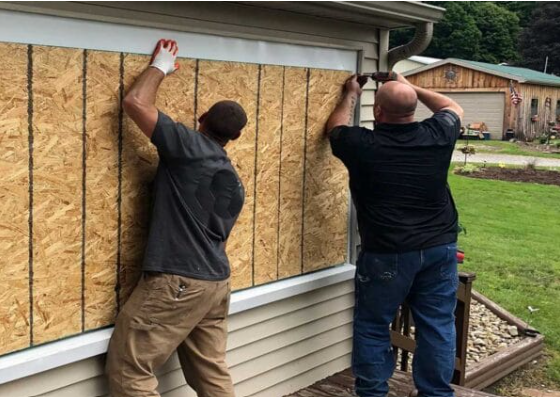
The emergency board-up process follows immediately after initial assessment. Fire often compromises windows, doors, and even sections of roofing or exterior walls. These openings expose your property to weather elements, wildlife, and potential theft or vandalism. Professional restoration teams secure all openings with heavy-duty boards and tarps, protecting your property from additional damage while restoration work proceeds. This step is particularly important in Kyle, where afternoon thunderstorms can develop rapidly, introducing additional water damage to an already compromised structure.
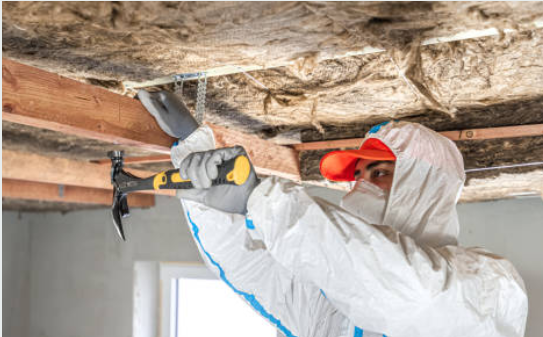
Water extraction begins simultaneously with board-up services. The thousands of gallons of water used during firefighting efforts create immediate threats including mold growth (which can begin within 24-48 hours), wood rot, metal corrosion, and continued structural weakening. Industrial-grade water extractors, air movers, and dehumidifiers remove standing water and begin the drying process. This equipment runs continuously for days, monitored regularly to ensure complete moisture removal.
Content inventory and pack-out services also occur during these initial hours. Restoration professionals carefully document, photograph, and remove salvageable belongings from the damaged property. These items undergo specialized cleaning and deodorization at off-site facilities equipped with advanced restoration technology. Pack-out protects your belongings from ongoing contamination while the structure undergoes intensive cleaning and repairs.
Air quality testing identifies the presence of toxic combustion byproducts, asbestos (in older Kyle properties), and other airborne contaminants. Modern restoration companies use advanced sensors and testing equipment to ensure worker safety and determine what personal protective equipment is necessary throughout the restoration process. This testing also guides ventilation strategies and helps determine when the property is safe for occupancy.
Temporary power and utilities may require attention during the first 24 hours. Fire often damages electrical systems, gas lines, and plumbing. Restoration professionals coordinate with utility companies and licensed contractors to ensure safe temporary service restoration where possible, or complete disconnection where systems are compromised. This coordination prevents additional hazards like gas leaks or electrical fires during the restoration process.
Documentation during these first hours is meticulous and comprehensive. Restoration professionals photograph and video record every aspect of the damage from multiple angles, create detailed written reports, and maintain careful records of all actions taken. This documentation proves invaluable during insurance claim processing and provides property owners with a complete record of the restoration journey. You can learn more about Prime Time’s approach to fire damage by checking their testimonials from satisfied Kyle customers.
Smoke and Soot Removal: Advanced Cleaning Techniques
Smoke and soot removal represents one of the most technically challenging aspects of fire damage restoration in Kyle. These residues are complex chemical compounds that bond to surfaces at the molecular level, requiring sophisticated cleaning techniques and specialized products to remove effectively without causing additional damage.
Understanding the nature of smoke and soot is essential to appreciating why professional restoration is necessary. When materials burn, they release particles ranging from visible soot chunks to microscopic smoke molecules. These particles carry acidic compounds, oils, and other chemicals that immediately begin etching and corroding whatever surfaces they contact. Different materials produce different types of residues: protein fires (like cooking fires) create nearly invisible but extremely odorous residues, while synthetic materials produce thick, sticky, black soot that smears when touched.
Dry smoke results from fast-burning, high-temperature fires fueled by paper and wood. It produces fine, powdery residues that infiltrate every crack and crevice. While easier to clean than wet smoke, dry smoke particles are smaller and travel farther throughout the structure, often affecting areas with no visible fire damage. Wet smoke, conversely, comes from low-heat, smoldering fires with poor ventilation. It creates sticky, thick, pungent residues that smear easily and are notoriously difficult to clean. Many Kyle fires involve both types of smoke, requiring different cleaning approaches in different areas of the same property.
Professional smoke and soot removal follows a systematic approach that prevents spreading contamination while ensuring thorough cleaning. The process begins with dry cleaning methods including HEPA vacuuming and dry chemical sponging. Special dry sponges, made of vulcanized rubber, lift soot from surfaces without water, preventing the residue from being ground deeper into materials. This step removes the bulk of loose soot particles safely and efficiently.
Wet cleaning follows dry methods, using specialized cleaning agents formulated for specific types of surfaces and smoke residues. Restoration professionals don’t use standard household cleaners; fire residues require pH-balanced, professional-grade products that neutralize acids while lifting embedded particles. Different solutions address different materials: one formulation for painted drywall, another for wood surfaces, another for metal fixtures, and yet another for fabrics and upholstery.
Agitation techniques vary based on surface type and damage severity. Soft brushes, microfiber cloths, and specially designed cleaning tools ensure thorough residue removal without damaging underlying surfaces. Porous materials like drywall and ceiling tiles often absorb smoke so deeply that they require sealing primers after cleaning or complete replacement if absorption is too extensive.
HVAC system cleaning is a critical component often overlooked in DIY fire cleanup attempts. Smoke particles infiltrate ductwork, spreading contamination throughout the property every time the system runs. Professional duct cleaning removes these particles, preventing re-contamination of cleaned spaces and eliminating one of the most persistent sources of smoke odor. This step is particularly important in Kyle’s climate, where HVAC systems run almost year-round.
Content cleaning requires specialized facilities and equipment beyond what any homeowner possesses. Clothing, curtains, bedding, and other textiles undergo ozone treatment, thermal fogging, or specialized washing processes depending on fabric type and contamination level. Electronics require careful cleaning by trained technicians, as smoke residue on circuit boards causes corrosion and failure if not properly removed. Furniture, artwork, and decorative items each demand specific cleaning approaches based on their materials and the type of smoke damage present.
The chemical nature of smoke residues means that incomplete cleaning creates ongoing problems. Acidic compounds continue corroding metals, discoloring surfaces, and producing odors even months after the fire. This is why attempting DIY smoke cleanup rarely succeeds; without professional-grade products, equipment, and expertise, property owners simply can’t achieve the thorough cleaning necessary for complete restoration. For comprehensive restoration services, contact Prime Time’s San Antonio team who serve the Kyle area with advanced cleaning technology.
Water Damage from Firefighting Efforts: A Hidden Threat
While fire obviously causes immediate and visible destruction, the water damage resulting from firefighting efforts frequently equals or exceeds the fire damage itself in terms of restoration cost and complexity. Understanding this hidden threat is crucial for Kyle property owners navigating fire damage restoration in Kyle, as water damage compounds rapidly if not addressed within the first 24-48 hours.
Firefighters prioritize life safety and fire suppression not water damage prevention. A typical house fire might require 3,000 to 8,000 gallons of water to extinguish, with commercial fires demanding exponentially more. This volume of water doesn’t simply evaporate once the fire is out; it saturates everything it touches, soaking into drywall, insulation, flooring, subflooring, furniture, and personal belongings. Structural materials act like giant sponges, holding moisture that creates ideal conditions for secondary damage.
Category 3 water, classified as “black water,” is what typically results from firefighting efforts. This water is grossly contaminated with chemicals from burned materials, sewage from compromised plumbing, and various toxins. Unlike clean water damage from a burst pipe, fire-related water damage poses serious health risks and requires more intensive treatment. Professional restoration includes antimicrobial treatments and complete sanitization of affected areas to eliminate biological and chemical contaminants.
Water migration through structures follows gravity and capillary action. Water from fire suppression on an upper floor doesn’t stay there, it flows downward through walls, ceilings, and floor systems, affecting rooms and levels that had no direct fire exposure. This migration can damage areas that appear completely unaffected by the fire itself. Moisture meters and thermal imaging cameras help restoration professionals identify all affected areas, including hidden pockets of water inside wall cavities and under flooring.
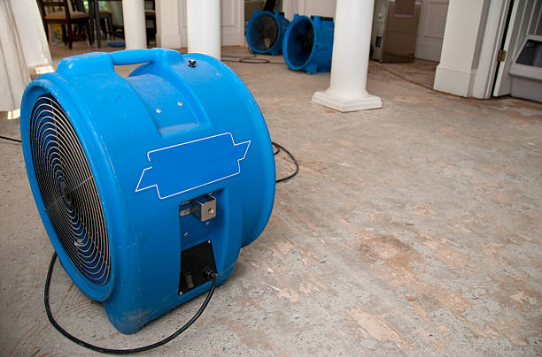
The timeline for water damage progression is swift and unforgiving. Within hours, water begins wicking up drywall, swelling wood, and delaminating plywood. Within 24 hours, drywall begins deteriorating, metal fixtures start corroding, and organic materials begin developing odors. Within 48 hours, mold growth begins, often in hidden areas like wall cavities and under flooring where it remains undetected until it becomes extensive. After a week, structural damage becomes severe, restoration costs escalate dramatically, and health hazards multiply.
Kyle’s hot, humid climate accelerates all these processes. Temperatures regularly exceeding 90 degrees combined with high humidity create perfect conditions for rapid mold proliferation. What might take three days in a drier climate can occur in 24 hours in Kyle. This environmental factor makes immediate water extraction and drying absolutely critical for Kyle property owners facing fire damage.
Professional water extraction employs powerful truck-mounted or portable extractors that remove standing water far more effectively than shop vacuums or household equipment. These systems extract hundreds of gallons per minute, rapidly removing the bulk of water from affected areas. Following extraction, industrial air movers and dehumidifiers create conditions that promote rapid, controlled drying. These devices run continuously for three to seven days or longer, depending on the extent of saturation and the materials affected.
Moisture monitoring throughout the drying process ensures complete water removal. Restoration professionals take daily moisture readings in walls, floors, and other affected materials, documenting the drying progress and adjusting equipment placement as needed. Drying is considered complete only when moisture levels return to normal, pre-loss levels—not simply when surfaces feel dry to the touch. Residual moisture trapped in materials continues causing damage and supporting mold growth even when surface areas appear dry.
Structural drying differs significantly from simply removing visible water. It requires understanding building science, airflow dynamics, and material properties. Professionals create optimal drying conditions by controlling temperature, humidity, and airflow while considering the specific materials affected. Hardwood floors, for example, require different drying approaches than tile or carpet. Similarly, structural supports demand different treatment than non-load-bearing walls.
The intersection of fire damage and water damage creates unique challenges. Fire-weakened materials may not tolerate the moisture from firefighting efforts, requiring more extensive replacement than would otherwise be necessary. Water can also reactivate smoke and soot residues, causing additional staining and damage if not properly managed during the cleaning and drying processes. Professional restoration companies understand these interactions and sequence their work appropriately to prevent compounding the damage.
Structural Assessment and Repair: Ensuring Safety and Integrity
Structural assessment forms the foundation of safe, effective fire damage restoration in Kyle. Fire compromises building materials in ways that aren’t always immediately visible, making professional structural evaluation absolutely essential before any reconstruction begins. Understanding the scope of structural damage and the repair process helps property owners make informed decisions about their restoration project.
Fire affects different structural materials in distinct ways, each requiring specific assessment techniques. Wood framing; the backbone of most Kyle residential structures, loses strength when exposed to high temperatures, even without visible charring. At 200 degrees Fahrenheit, wood begins losing moisture content and strength. Above 500 degrees, structural wood components may retain only 10-20% of their original load-bearing capacity even if they appear relatively intact. This hidden damage makes professional assessment crucial, as compromised framing can lead to catastrophic failure if not properly addressed.
Steel and metal components expand during fire exposure, then contract during cooling. This expansion and contraction can push walls out of plumb, distort structural supports, and create stress fractures in masonry and concrete. Metal fasteners, joist hangers, and connection hardware may lose strength or fail entirely even when they appear undamaged. Structural engineers evaluate these elements carefully, often recommending replacement even for components that seem functional.
Masonry and concrete, while more fire-resistant than wood, still suffer damage from intense heat. Temperatures above 1,000 degrees can cause concrete to spall (chunks breaking off), crack, and lose compressive strength. Mortar joints in brick and block walls deteriorate under high heat, potentially compromising entire wall sections. These materials require specialized testing including core sampling and compression tests to determine remaining strength and safety.
Licensed structural engineers conduct comprehensive assessments of fire-damaged properties, examining foundations, load-bearing walls, floor systems, roof structures, and all critical support elements. They use various tools including laser levels to check for settlement or deflection, moisture meters to identify water-damaged wood, and visual inspection to identify charring, cracking, or deformation. Their written reports detail findings, recommend repairs, and certify when repairs meet building codes and safety standards.
Foundation assessment is particularly important for Kyle properties. The expansive clay soils common in central Texas already stress foundations, and the additional weight of fire suppression water combined with potential settling from weakened support structures can exacerbate existing issues or create new ones. Engineers check for cracks, shifting, and other signs of foundation compromise that might affect the entire restoration project.
Roof structure evaluation takes priority because compromised roofing can expose the entire property to weather damage during the restoration process. Fires often weaken roof trusses, rafters, and decking even in areas not directly burned. Water weight from firefighting efforts adds thousands of pounds of load to structures already weakened by fire. Temporary supports may be necessary while permanent repairs are engineered and completed.
The structural repair process follows a carefully planned sequence. Demolition of unsalvageable materials comes first, with contractors carefully removing damaged components while preserving anything that can be safely retained. This selective demolition requires experience and judgment; removing too much increases costs unnecessarily, while leaving compromised materials creates safety hazards and complicates future repairs.
Temporary structural supports and bracing protect workers and prevent further damage during the restoration process. Props, temporary walls, and engineered supports hold up weakened structures while permanent repairs are designed and executed. These temporary measures allow restoration work to proceed safely even when the structure has significant compromise.
Permanent structural repairs follow engineering specifications and local building codes. This might include sistering new joists alongside damaged ones, replacing entire sections of load-bearing walls, installing steel reinforcement for compromised beams, or even reconstructing entire floor or roof systems. Licensed contractors specializing in structural repairs perform this work, with inspections by building officials and structural engineers confirming that repairs meet all safety and code requirements.
Building code compliance is essential throughout the structural repair process. Many Kyle properties require updates to current building codes during fire restoration, particularly if the damage is extensive. This might include adding hurricane straps, upgrading electrical systems, improving fire-blocking in wall cavities, or adding smoke detectors and sprinkler systems. While these upgrades increase project costs, they improve long-term safety and often reduce insurance premiums. Similar comprehensive approaches are used in fire damage restoration throughout Texas, ensuring consistent quality and code compliance.
Odor Elimination: Getting Rid of Persistent Smoke Smell
Smoke odor elimination represents one of the most technically challenging aspects of fire damage restoration in Kyle. Long after visible damage is repaired and surfaces are cleaned, persistent smoke odors can make a property unlivable and dramatically reduce its value. Understanding why smoke odors are so stubborn and how professionals eliminate them helps property owners appreciate the complexity of complete fire restoration.
Smoke odor is the ongoing off-gassing of smoke particles deeply embedded in porous materials throughout the property. These microscopic particles penetrate wood grain, insulation, concrete, and virtually every other porous surface, releasing odorous gases continuously. This is why simply masking smoke odor with air fresheners or ozone treatment alone fails; the source of the odor must be physically removed or permanently sealed.
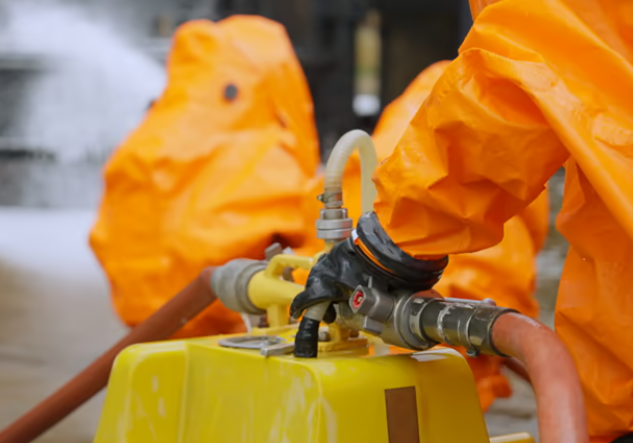
Different types of fires produce different odor challenges. Protein fires from cooking create pungent, acrid odors that can make people physically ill. These odors are particularly difficult to eliminate because they’re often nearly invisible; there might be minimal visible soot but extreme odor contamination. Synthetic material fires produce toxic, chemical-smelling odors that indicate harmful combustion byproducts. Natural material fires create the “campfire” smell most people associate with smoke, but even this relatively familiar odor becomes intolerable when concentrated indoors.
Temperature, humidity, and airflow all affect odor perception. Kyle’s hot climate intensifies smoke odors as heat causes increased off-gassing from contaminated materials. High humidity similarly increases odor perception. This environmental factor makes thorough odor elimination even more critical for Kyle properties than for those in cooler, drier climates.
Professional odor elimination begins with source removal by physically removing materials too contaminated to clean effectively. This often includes carpeting, padding, insulation, heavily damaged drywall, and porous materials that absorbed smoke deeply. Attempting to salvage these materials invariably results in persistent odor problems. While removing and replacing these materials increases immediate costs, it’s the only way to achieve truly odor-free results.
Thermal fogging introduces a fine petroleum-based solution that neutralizes smoke odors at the molecular level. Foggers create a fog with particle size similar to smoke particles, allowing the deodorizing solution to penetrate exactly where smoke penetrated. This solution chemically binds with smoke particles, neutralizing their odor-causing properties. Multiple thermal fogging treatments may be necessary for severe smoke damage, with each treatment addressing different areas or material types.
Ozone treatment uses ozone generators to create high concentrations of ozone gas, which oxidizes organic compounds including those causing smoke odors. Ozone is highly effective but also highly toxic to humans, pets, and plants, requiring complete property evacuation during treatment. Ozone treatment typically runs for 24-48 hours, followed by thorough ventilation before occupancy. While effective as part of a comprehensive odor elimination program, ozone alone rarely solves smoke odor problems without proper cleaning and source removal first.
Hydroxyl generators offer an alternative to ozone treatment that’s safe for occupied spaces and doesn’t damage materials. These devices produce hydroxyl radicals that break down odor-causing compounds through advanced oxidation. Hydroxyl treatment takes longer than ozone but allows some restoration work to continue during treatment. Many restoration professionals now prefer hydroxyl treatment for its safety profile and effectiveness.
Sealers and encapsulants provide the final barrier against residual smoke odors. After thorough cleaning and deodorization, professional-grade sealers are applied to structural surfaces, creating an impermeable barrier that prevents any remaining embedded particles from continuing to off-gas. These products differ completely from standard paints and primers; they’re specifically formulated to bond with smoke-contaminated surfaces and prevent odor migration. Attempting to seal smoke odors with standard paint invariably fails as odors bleed through within weeks or months.
HVAC system deodorization is essential for complete odor elimination. Ductwork throughout the property contains smoke particles that will continue spreading odor every time the system operates. Professional duct cleaning removes these particles, while antimicrobial coatings and sealers can be applied to duct interiors for additional protection. The HVAC system itself including the blower, coils, and housing requires thorough cleaning or replacement depending on contamination severity. Given Kyle’s year-round HVAC usage, this step is particularly critical. Property owners interested in comprehensive air quality solutions can explore air duct cleaning services that complement fire restoration.
Content deodorization requires specialized equipment and facilities beyond the fire-damaged property. Clothing, linens, curtains, and other textiles undergo industrial washing with specialized deodorizing agents, followed by ozone or hydroxyl treatment in sealed chambers. Electronics require careful cleaning of smoke residue from circuit boards and components, as this residue causes both odor and operational problems. Furniture and other porous contents may need refinishing, reupholstering, or replacement if odors cannot be eliminated through cleaning and treatment.
Testing and verification ensure complete odor elimination before restoration is considered complete. While human smell assessment is part of this process, professional restoration companies increasingly use scientific testing methods including particle counting and gas chromatography to verify that contamination levels have returned to normal, pre-loss conditions. This objective testing prevents restoration teams from releasing properties that still have odor issues not yet apparent to workers who have become desensitized to the smell through constant exposure.
Complete Reconstruction: Bringing Your Property Back to Life
Reconstruction represents the final phase of fire damage restoration in Kyle, transforming a cleaned and deodorized shell back into a functional, beautiful property. This phase requires careful planning, skilled craftsmanship, and attention to detail to ensure the restored property meets or exceeds its pre-loss condition while incorporating necessary updates and improvements required by current building codes.
Reconstruction planning begins during the initial assessment and continues throughout the cleaning and structural repair phases. A comprehensive scope of work details every aspect of reconstruction from foundation to roof, including all finishes, fixtures, and systems. This planning process considers the property owner’s preferences, insurance coverage, budget constraints, and code requirements. Many Kyle property owners choose to upgrade finishes and systems during reconstruction, viewing the fire as an opportunity to modernize and improve their property rather than simply restoring what was lost.
The reconstruction sequence follows a logical progression from structural elements to finish details. Framing and structural work come first, replacing or repairing load-bearing elements, walls, floor systems, and roof structures. This phase includes installing any necessary structural upgrades required by current codes or recommended for improved safety and resilience. Proper framing sets the foundation for everything that follows, so quality and precision at this stage are critical.
Rough-in work follows framing, involving electrical, plumbing, and HVAC systems installation. These systems often require complete replacement or extensive updates after fire damage. Electrical systems in particular commonly need replacement given the heat damage to wiring and the opportunity to upgrade to current code standards including arc-fault circuit interrupters (AFCI) and adequate capacity for modern electrical loads. Plumbing may require replacement if fire damaged pipes or if firefighting efforts compromised the system. HVAC system replacement or extensive repair is common given smoke contamination and the opportunity to upgrade to more efficient modern equipment.
Insulation and air sealing happen after rough-in work is complete and inspected. Modern building science emphasizes proper insulation and air sealing for energy efficiency, comfort, and indoor air quality. This phase includes installing new insulation in walls and attics, sealing air leaks, and creating proper vapor barriers. These improvements often dramatically reduce energy costs compared to the pre-fire property while improving comfort and indoor air quality.
Drywall installation and finishing restores interior walls and ceilings. This seemingly straightforward step requires significant skill to achieve smooth, uniform surfaces ready for paint. Attention to detail during drywall finishing shows clearly in the final result; poor taping and finishing creates visible imperfections that detract from the overall restoration quality. Multiple coats of joint compound, careful sanding, and skilled application are necessary for professional results.
Interior finish work includes flooring, trim, doors, cabinets, and fixtures. This phase transforms the construction site into a home or business. Flooring choices range from traditional hardwood and tile to modern luxury vinyl plank and other innovative materials. Cabinets might be custom-built to match the original property or selected from semi-custom or stock options depending on budget and preferences. Trim work including baseboards, crown molding, door and window casings, and other details adds character and polish to the restored space.
Painting and final finishes complete the interior transformation. Professional-grade paints and application techniques ensure uniform color, proper coverage, and long-lasting results. Exterior work including siding, roofing, windows, and doors protects the restored structure and completes the property’s weather envelope. These exterior elements must not only look good but perform reliably for years, protecting the investment in restoration and preventing future damage.
Quality control throughout reconstruction ensures that work meets professional standards and contract specifications. Reputable restoration companies employ supervisors and project managers who inspect work at each phase, ensuring quality before subsequent work begins. Building inspectors verify code compliance at key stages including framing, rough-in systems, and final completion. This multi-layered inspection process protects property owners and ensures the restored property meets all applicable standards.
Timeline management keeps reconstruction on schedule despite the numerous trades and complex coordination required. Professional project management includes scheduling contractors, ordering materials, coordinating inspections, and solving the inevitable challenges that arise during reconstruction. Clear communication with property owners throughout the process ensures they understand progress, any necessary changes to plans, and when they can expect project completion.
The final walkthrough allows property owners to inspect the completed restoration and identify any items requiring attention before final project closeout. This inspection should be thorough, checking every room, system, and finish. Reputable contractors stand behind their work and address any deficiencies identified during the final walkthrough. Documentation including warranties, permits, and inspection records is provided at project completion, giving property owners important records for future reference. Companies like Prime Time offer comprehensive reconstruction services, handling every aspect from initial emergency response through final reconstruction.
Working with Insurance: Maximizing Your Claim
Navigating insurance claims represents one of the most stressful aspects of fire damage restoration in Kyle for most property owners. Understanding the claims process, knowing your rights, and working with experienced professionals can mean the difference between a fair settlement and financial hardship. This section provides essential guidance for maximizing your fire damage insurance claim while avoiding common pitfalls.
Immediate notification is the first critical step. Contact your insurance company within hours of the fire, not days. Most policies require prompt notification, and delays can complicate claims or even result in denial. Provide basic facts about the fire but avoid making detailed statements or admissions about the cause before you understand the full situation. Insurance companies send adjusters quickly to assess damage, so be prepared for inspection within 24-48 hours of notification.
Understanding your policy coverage before filing a claim helps set realistic expectations. Homeowner’s and commercial property insurance typically includes dwelling or building coverage for the structure itself, personal property or contents coverage for belongings, additional living expenses (ALE) or loss of use coverage for temporary housing and related costs, and liability coverage for injuries or damage to others. Policy limits, deductibles, and specific exclusions vary widely between policies, so review your coverage carefully or have a professional review it with you.
Actual cash value (ACV) versus replacement cost coverage dramatically affects claim payouts. ACV policies pay the depreciated value of damaged property; what it was worth immediately before the fire considering age and condition. Replacement cost coverage pays to replace damaged items with new equivalents, regardless of depreciation. For a ten-year-old sofa destroyed in a fire, ACV might pay $200 based on current used furniture value, while replacement cost would pay $1,500 to purchase a new comparable sofa. This difference accumulates across every damaged item, making replacement cost coverage far more valuable despite higher premiums.
Documentation is absolutely critical for successful insurance claims. The restoration company’s detailed assessment, photographs, and inventory form the foundation of your claim, but property owners should document everything possible themselves as well. Photograph and video record all damage from multiple angles. Create detailed lists of damaged personal property including original purchase dates, costs, and current replacement values. Gather receipts, credit card statements, photos, and any other evidence of ownership and value for expensive items. This documentation substantiates your claim and prevents disputes about what was damaged and its value.
Professional restoration companies experienced in insurance work provide invaluable assistance throughout the claims process. These companies understand insurance requirements, speak the adjusters’ language, and document damage in ways that support maximum claim recovery. They prepare detailed estimates following industry-standard pricing databases like Xactimate that insurance adjusters use, reducing disputes and accelerating claim approval. Many restoration companies offer direct insurance billing, allowing restoration to proceed while insurance paperwork is processed.
Public adjusters represent another option for complex or disputed claims. These licensed professionals work for the property owner, not the insurance company, to document damage and negotiate maximum settlements. Public adjusters typically charge a percentage of the final settlement (often 10-15%) but can increase settlements significantly beyond what property owners could negotiate independently, particularly for large, complex claims. However, most routine fire damage claims don’t require public adjusters if you work with an experienced restoration company.
Additional living expenses coverage pays for temporary housing, meals, and related costs while your property is uninhabitable. This coverage has time and dollar limits specified in your policy, so understand these limits and manage temporary housing costs accordingly. Keep detailed records of all ALE expenses including hotel receipts, restaurant meals, laundry, and mileage for insurance reimbursement. Some policies also cover temporary storage of contents removed from the property during restoration.
Contents claims require detailed inventory and documentation. Going room-by-room, list every damaged item with as much detail as possible including brand, model, purchase date, and estimated replacement cost. The restoration company’s content inventory provides professional documentation, but your own detailed list supplements this and ensures nothing is overlooked. For valuable items like jewelry, art, collectibles, and electronics, original receipts or appraisals significantly strengthen claims. Replacement cost coverage for contents typically requires actual replacement and receipt submission before full reimbursement, with ACV paid initially.
Claim disputes and underpayment occur more often than they should. Insurance companies are businesses focused on profitability, and that sometimes conflicts with policyholders’ interests. If you believe your claim is unfairly denied or underpaid, don’t simply accept the decision. Request written explanation of the denial or underpayment, review your policy carefully, gather additional documentation supporting your position, and request reconsideration. If informal resolution fails, consider hiring a public adjuster or attorney specializing in insurance claims. Most states have insurance departments that assist consumers with disputed claims, providing another resource for policyholders facing unfair claim handling.
Subrogation is the process where insurance companies recover claim payments from parties responsible for the loss. If your fire resulted from another party’s negligence or faulty products, your insurance company will pursue recovery from those parties or their insurers. This process doesn’t directly affect you in most cases, but cooperation with your insurer’s subrogation efforts is typically required by your policy.
Choosing the Right Restoration Company in Kyle
Selecting the right restoration company for fire damage restoration in Kyle might be the most important decision you make following a fire. The company you choose affects recovery speed, restoration quality, insurance claim success, and overall stress during an already difficult time. Understanding what separates exceptional restoration companies from mediocre ones helps you make an informed choice that protects your interests and ensures quality results.
Immediate response capability is the first factor to consider. Fire damage worsens every hour, so restoration must begin immediately. Look for companies offering true 24/7 emergency service, not just answering services that take messages for callbacks during business hours. The best companies guarantee response times often 90 minutes or less in their service areas. Verify that Kyle falls within their primary service area where fast response is guaranteed. Companies based in San Antonio and serving Kyle typically provide rapid response throughout the region.

Certification and training demonstrate commitment to professional standards and ongoing education. The Institute of Inspection, Cleaning and Restoration Certification (IICRC) sets industry standards for restoration work. IICRC-certified companies and technicians have completed rigorous training programs and maintain certifications through continuing education. Look for companies with IICRC certifications in fire restoration, water restoration, mold remediation, and other relevant specialties. Beyond IICRC, certifications from equipment manufacturers, insurance organizations, and industry associations indicate additional expertise.
Experience specifically with fire damage matters tremendously. Some restoration companies primarily handle water damage with limited fire restoration experience. Fire restoration involves unique challenges including smoke damage, structural concerns, and complex odor elimination that water damage specialists may not fully understand. Ask about the company’s fire restoration experience, how many fire jobs they complete annually, and their experience with properties similar to yours in size and type.
Comprehensive services under one roof simplify the restoration process and improve results. The best restoration companies handle everything from initial emergency response through final reconstruction, eliminating the need to coordinate multiple contractors. This integrated approach ensures consistency, improves communication, and provides single-source accountability for the entire project. Verify that the company you’re considering provides the full range of services needed including emergency response, structural drying, smoke and soot cleaning, deodorization, structural repairs, and complete reconstruction.
Insurance expertise and relationships significantly affect claim outcomes. Companies experienced in insurance work understand what documentation insurers require, how to estimate damages using industry-standard software, and how to negotiate with adjusters for fair settlements. Many established restoration companies have relationships with insurance adjusters built over years of professional interaction, facilitating smoother claim processing. Ask whether the company offers direct insurance billing and can you work with your insurer throughout the project.
Local presence and community reputation provide important insights into company quality. National franchise operations offer brand recognition and standardized processes, while local independent companies often provide more personalized service and deeper community ties. Both can be excellent choices because what matters is the specific company’s reputation and performance. Check online reviews on Google, Facebook, and the Better Business Bureau. Ask for references from recent clients with similar projects. Contact these references and ask about their experience, restoration quality, communication, and overall satisfaction.
Equipment and technology capabilities affect both restoration efficiency and quality. Modern restoration requires sophisticated equipment including industrial-grade water extractors, air movers, dehumidifiers, thermal imaging cameras, moisture meters, HEPA air scrubbers, ozone and hydroxyl generators, and more. Companies investing in current technology typically produce better results faster than those using outdated equipment. Don’t hesitate to ask about the equipment the company uses and their technology for monitoring drying and ensuring quality.
Project management and communication determine how stressful the restoration experience will be. Fire restoration involves dozens of decisions, constant progress updates, insurance communication, and coordination of numerous trades and activities. Strong project managers keep everything organized, communicate proactively, answer questions promptly, and solve problems before they become crises. Ask how the company manages projects, who your primary contact will be, how often you’ll receive updates, and how they handle changes or issues during restoration.
Financial stability and proper insurance protect you from liability and ensure project completion. Verify that any restoration company you consider carries adequate general liability insurance, workers compensation insurance (in states where required), and professional liability insurance. These coverages protect you if someone is injured on your property or if the restoration company damages your property or performs defective work. Additionally, financially stable companies can continue operations if your insurance payment is delayed, while financially stressed companies might stop work or demand payment before insurance settles your claim.
Price should never be the primary selection factor for fire restoration. The lowest bid often indicates corners being cut like inferior materials, inexperienced workers, outdated equipment, or inadequate insurance coverage. The highest price doesn’t guarantee quality either. Focus on value; the combination of quality, service, expertise, and fair pricing. Most established restoration companies will work directly with your insurance company, meaning your out-of-pocket costs are primarily your deductible regardless of which company you choose. For this reason, choosing the best restoration company rather than the cheapest makes tremendous sense.
Prime Time Restoration serves Kyle and surrounding communities throughout central Texas, providing comprehensive fire damage restoration services with 90-minute emergency response, advanced equipment and technology, IICRC-certified technicians, and complete services from emergency response through final reconstruction. With years of experience specifically in fire restoration, strong relationships with insurance companies, and a commitment to quality and customer satisfaction, Prime Time exemplifies the characteristics to look for in a restoration company. You can reach their team 24/7 at their main office in San Antonio using the buttons below to discuss your fire restoration needs.
Conclusion
Fire damage restoration in Kyle requires immediate action, professional expertise, and comprehensive services to successfully recover from this devastating experience. From the critical first 90 minutes of emergency response through the final details of reconstruction, each phase of restoration demands specialized knowledge, advanced equipment, and careful execution to restore your property safely and completely.
Understanding the restoration process including smoke and soot removal, water damage mitigation, structural assessment and repair, odor elimination, and complete reconstruction helps property owners make informed decisions and set realistic expectations. Working effectively with insurance companies and choosing the right restoration partner significantly affect both the quality of restoration and the stress experienced during recovery.
Kyle property owners facing fire damage don’t have to navigate this challenging journey alone. Professional restoration companies like Prime Time provide the expertise, resources, and support needed to transform fire-damaged properties back into the homes and businesses their owners remember and cherish. With 24/7 availability, rapid 90-minute response times, comprehensive services, and a commitment to quality, these professionals guide property owners through every step of restoration from initial emergency through final completion.
The key to successful fire damage restoration in Kyle is taking immediate action because every hour of delay allows secondary damage to worsen, recovery costs to increase, and stress to accumulate. By understanding what restoration involves and partnering with experienced professionals, Kyle property owners can successfully recover from even devastating fires and restore their properties to pre-loss condition or better.
Have you experienced fire damage to your Kyle property? What concerns you most about the restoration process, and how can professional restoration services help address those concerns?